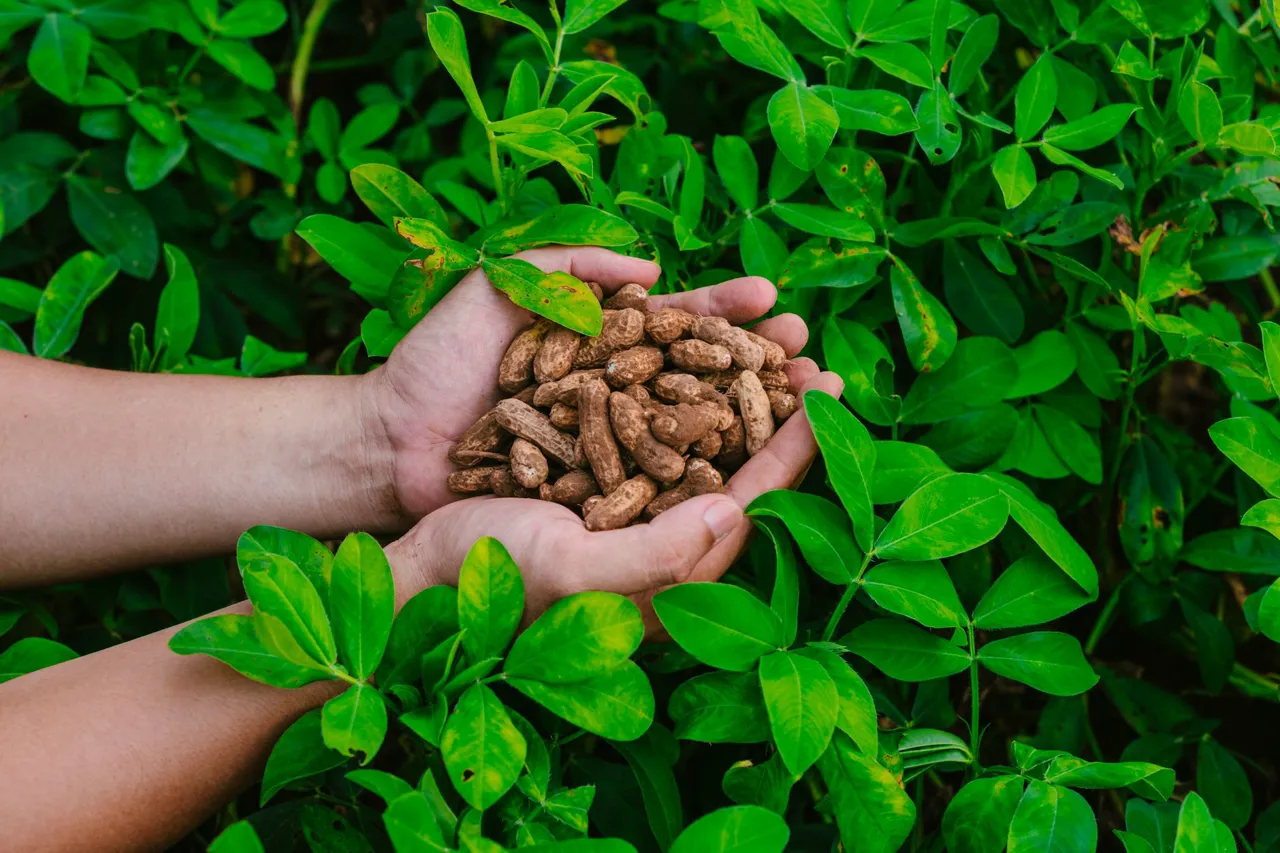
Scientists studied the best time to plant bambara groundnuts. This African food plant is not widely grown. It could help farmers in Southern Africa grow more kinds of food. The scientists studied growing conditions in South Africa, Lesotho and Eswatini.
They used 50 years of information about weather and soil. A computer programme tested 49 growing seasons. October planting gave the largest harvests in these tests. The rainy season usually starts around October in this region. Planting later could put the plants at risk from frost. This cold can damage plants and leave farmers with less food.
Many farmers in Southern Africa depend on rain to grow maize, wheat and rice. A lack of water and changes in the climate make this harder. Local food plants can often grow with less water. They can also grow in soil with few of the things plants need.
Bambara groundnuts also contain important things for human health. These include protein, fibre, iron, zinc and calcium. The scientists made maps to help farmers choose suitable land. They left out places such as towns and mines.