President Luiz Inácio Lula da Silva secured a fourth term in Brazil’s presidential run-off on 25 October 2026, overturning a first-round deficit. He won 51.8% of valid votes against Senator Flávio Bolsonaro’s 48.2%, a margin of approximately 4.4 million. The outcome ended seven consecutive conservative victories in Latin American presidential elections over 18 months.
Thousands celebrated on São Paulo’s Paulista Avenue, with flags, dancing and fireworks, while festivities spread to other cities and continued into Monday. Bolsonaro refused to recognise the outcome and pledged a legal challenge, citing a Supreme Court ruling that extended voting by two hours.
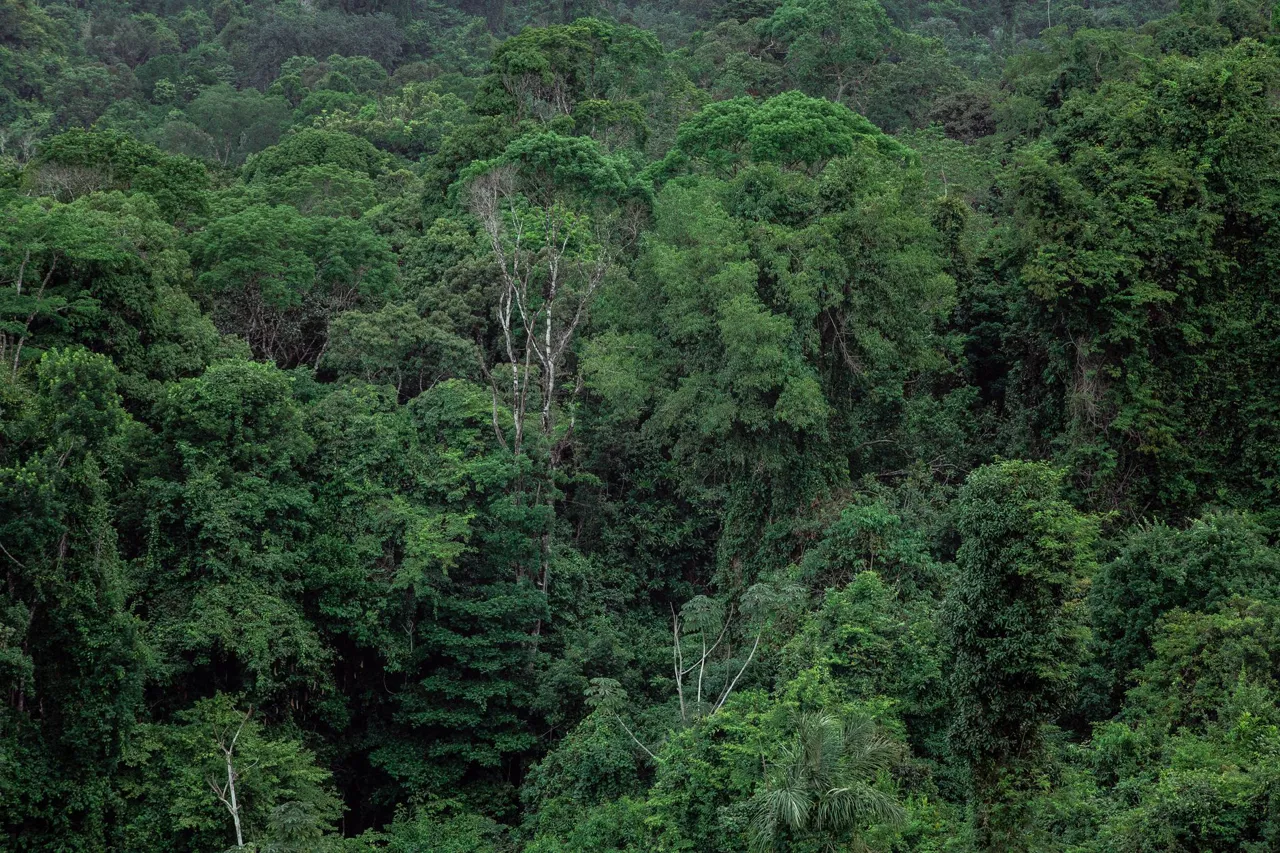
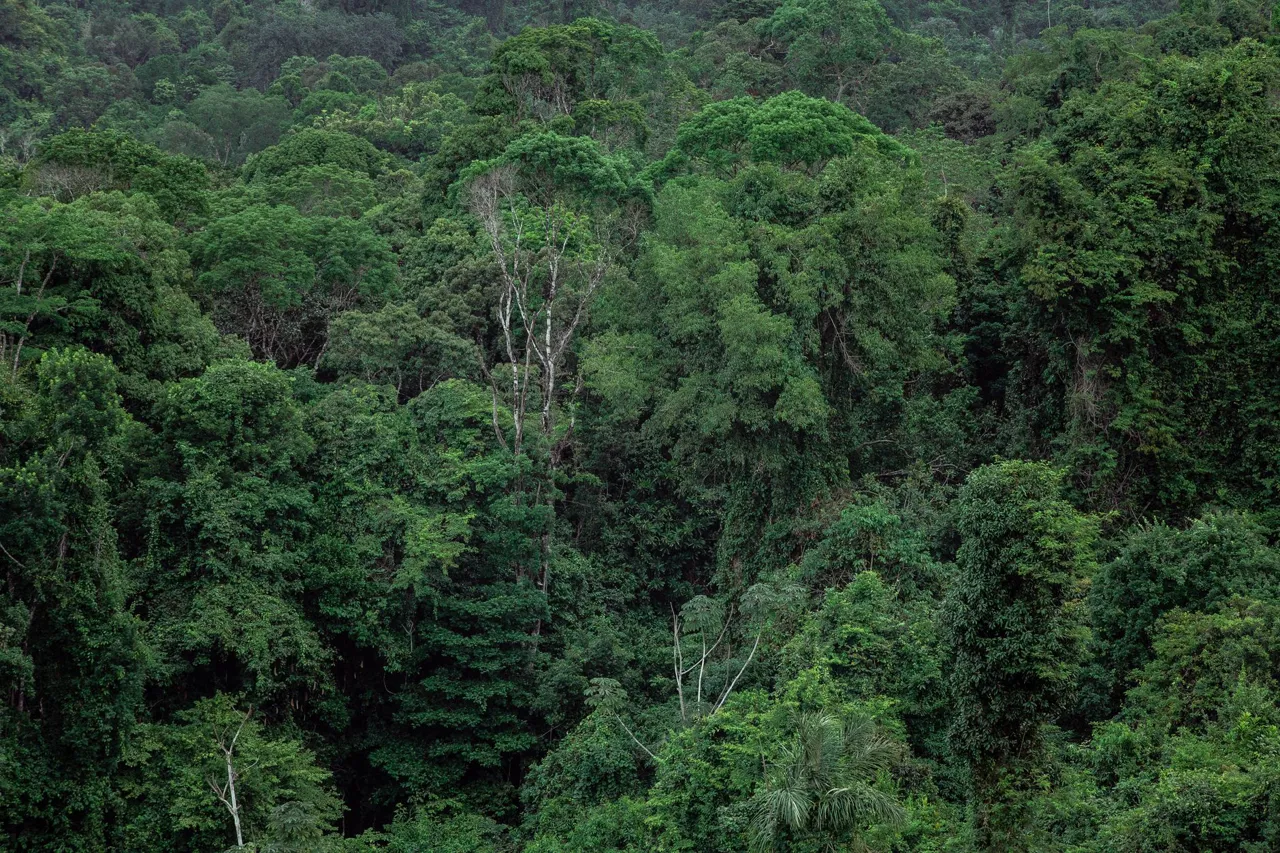
Environmental organisations welcomed the result as an opportunity to preserve gains in Amazon protection. Deforestation under Lula has reached its lowest level since monitoring began in 1988, although the rainforest continues to contract. His government revived an action plan that strengthened satellite surveillance of illegal clearing and enforcement of penalties, while using financial incentives to encourage conservation.
Nevertheless, Lula faces a more difficult legislative environment. Bolsonaro’s Liberal Party secured the largest number of seats in both congressional chambers, leaving centre-right parties pivotal to passing legislation. Greenpeace Brazil warned that public mobilisation would be needed to prevent environmental setbacks, while conservation advocate Glenn Hurowitz noted that the government could still enforce existing laws and establish protected areas.
Environmental pressures also persist beyond Congress. Wildfires, logging and drought continue to threaten the forest, and this year’s strong El Niño is expected to produce hotter, drier conditions favourable to fires.