REVIVE, a conservation organisation working in Veracruz, Mexico, is combining an Aztec-inspired planting technique with crocodile reintroductions to restore mangrove ecosystems. Its aim is to rebuild a functioning habitat rather than simply replace lost trees.
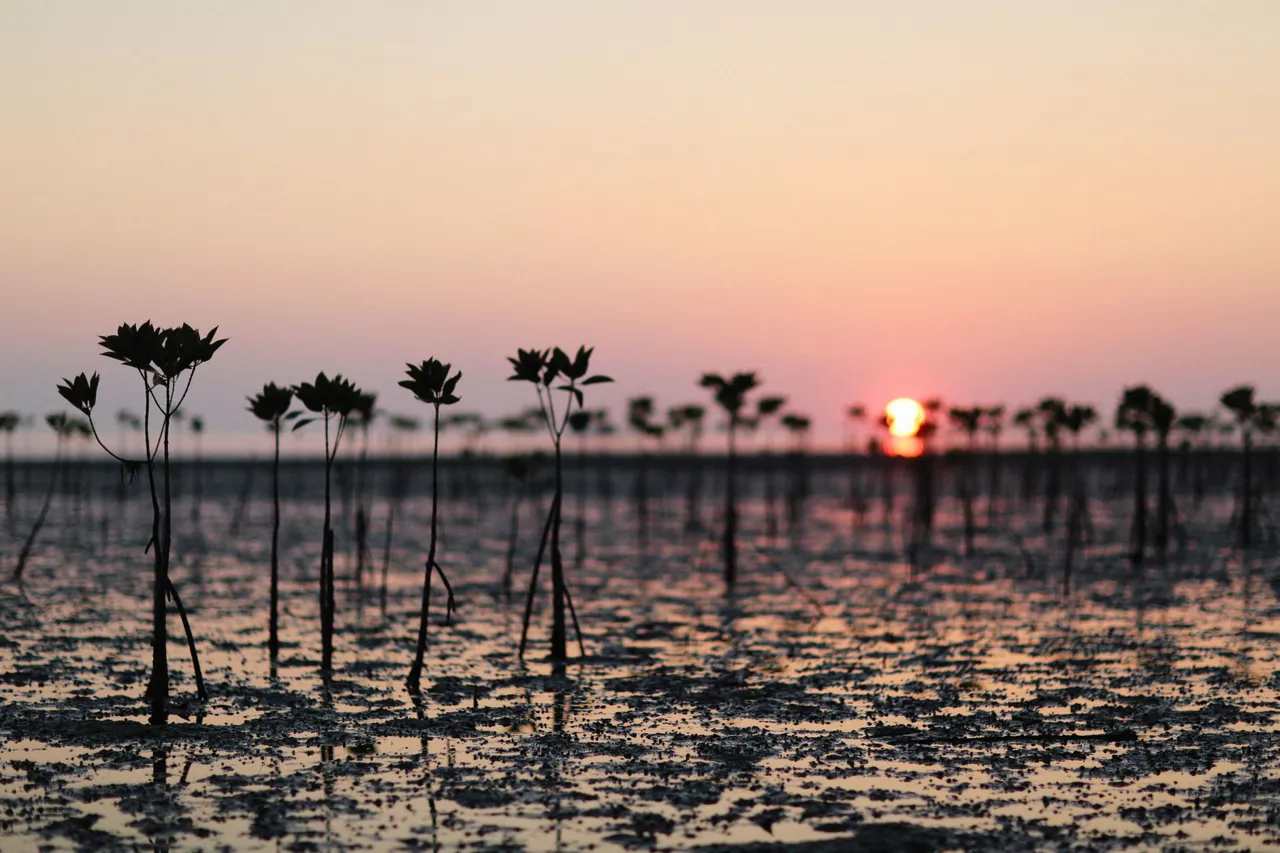
Around the Alvarado lagoons, mangroves had been cleared and burned for cattle, leaving soil that collapsed and sank. After conventional planting attempts failed, biologist Aníbal Ramírez Soto observed that established mangroves grew in elevated clusters. Drawing on an ancient Aztec farming method, his team constructed raised mounds from wetland soil and planted approximately 2,000 trees.
A subsequent count found more than 4,000 trees: additional seedlings had drifted in with the tides and taken root. Within two years, trees were spreading beyond the mounds; by the eighth year, canopy cover had reached 80%. The results prompted a larger project comprising 15,000 mounds across 40 hectares, with machinery now used for construction.
Since 2017, REVIVE has also released around 80 crocodiles into an area where hunting had eliminated them. The team argues that their swimming shifts sediment and helps maintain open water channels. Before the releases, workers had cleared obstructed channels manually and later with machinery.
Crocodile specialist Charlie Manolis nevertheless challenges the assertion that mangrove health depends on these reptiles, pointing to northern Australia, where mangroves showed no apparent harm during decades of crocodile absence. While supporting crocodile conservation, he also emphasises the dangers the animals can pose to neighbouring communities. He highlights public education about safe coexistence as an important part of conservation efforts.