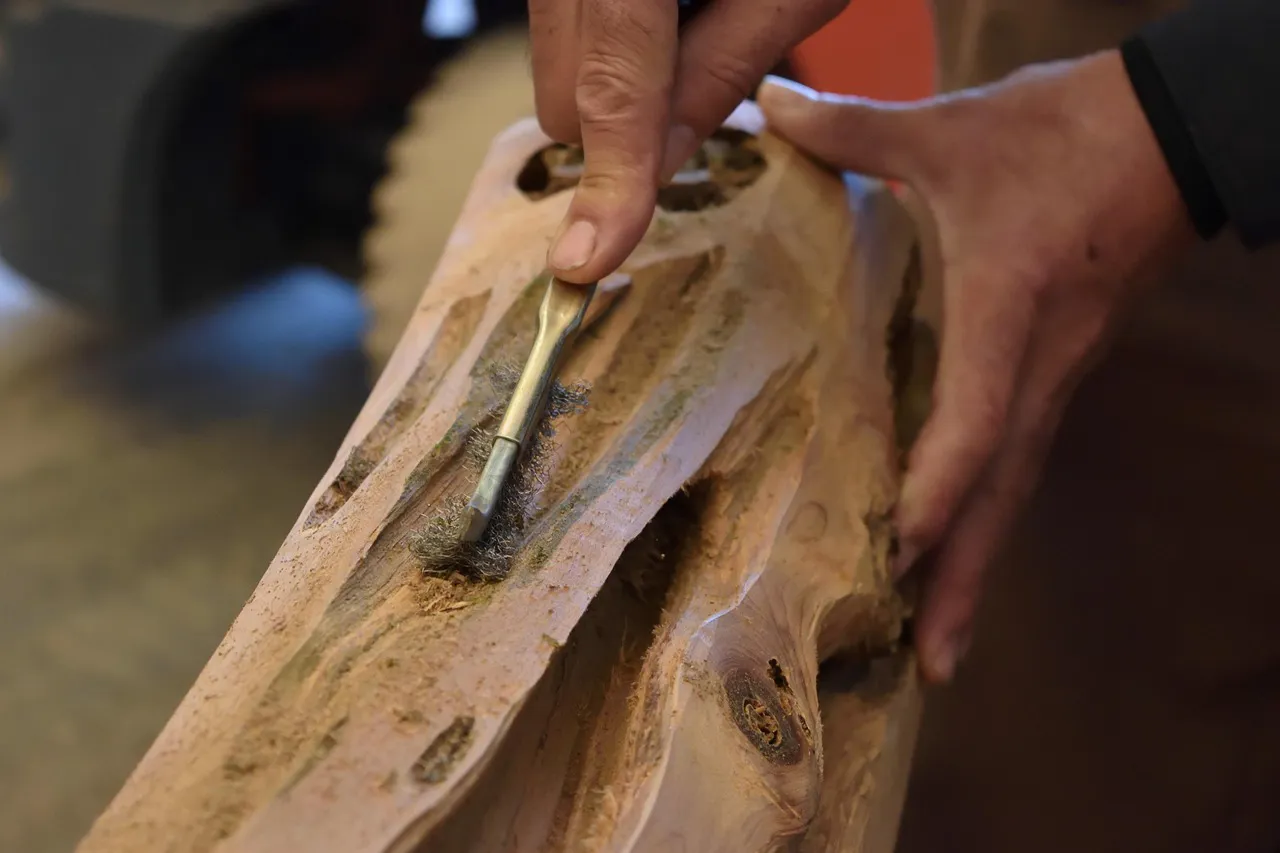
Ancient wooden finds at Abric Romaní, a rock shelter in Spain, show that Neanderthals were skilled at working with wood. Archaeologists, who study objects from the past, documented nearly 600 wooden objects or their imprints. These imprints are marks left by the objects. Among the finds, 13 were clearly shaped by human hands. The shaped pieces provide evidence of Neanderthals’ ability to make things from wood.
Wood usually breaks down quickly, but conditions at Abric Romaní helped preserve these ancient finds. The site flooded from time to time, and the water contained minerals. Both the flooding and the minerals helped the wooden objects survive. The discovery brings together evidence of human work and the effects of the site’s conditions: the shapes show that people worked the wood, while the flooding and minerals helped preserve traces of that work over time.