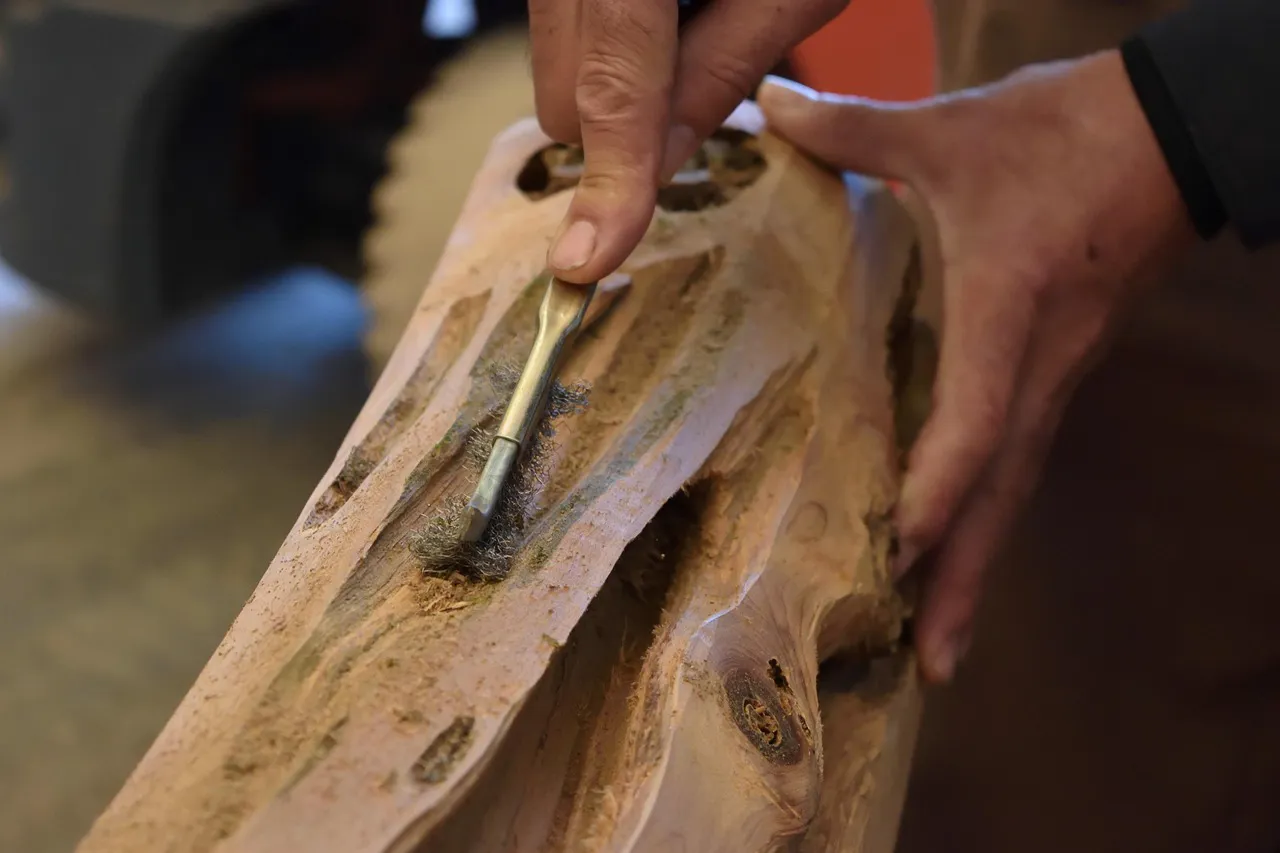
An extensive collection of ancient wooden finds at Abric Romaní, a rock shelter in Spain, reveals Neanderthals’ proficiency in woodworking. Archaeologists documented nearly 600 wooden objects or their imprints, with 13 clearly bearing evidence of shaping by human hands. These deliberately shaped finds demonstrate the skill involved in Neanderthal woodwork. The collection encompasses both wooden material and impressions left by objects, bringing these different forms of evidence into the documented total.
The preservation of the finds is notable because wood ordinarily decomposes rapidly. At Abric Romaní, however, periodic flooding and minerals present in the water helped preserve the wooden material. The site’s conditions therefore played an important role in the survival of this evidence of ancient craftsmanship.
The discovery links Neanderthal woodworking with the conditions that preserved its traces. While the human-shaped finds reveal skilled work, the flooding and mineral-bearing water helped protect material that normally breaks down quickly. Together, the surviving objects and their imprints form a substantial record of wooden finds at the Spanish shelter.