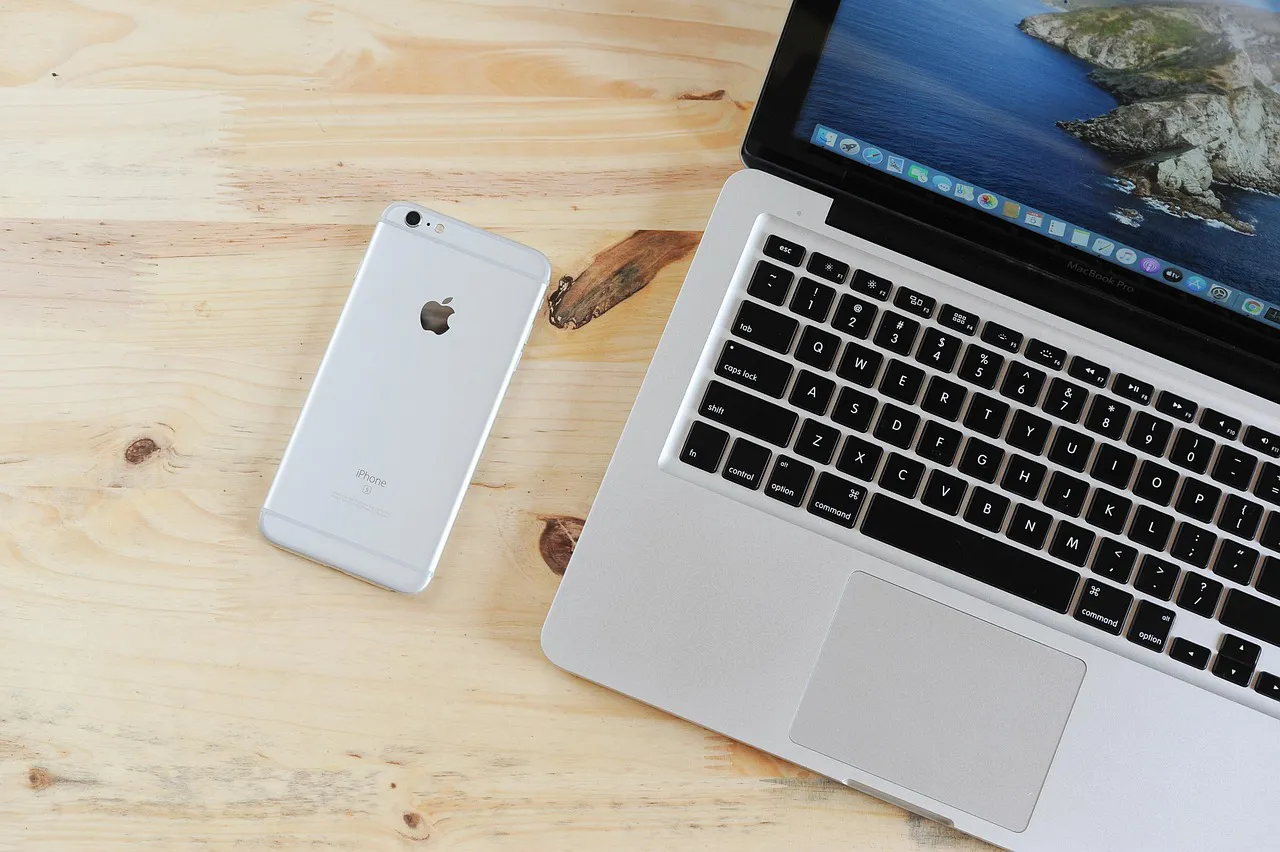
Apple launched the MacBook and MacBook Pro in 2006, using Intel processors instead of the PowerPC chips it had used for years. These processors, which carry out a computer’s main tasks, also powered competing PCs. The new laptops began two decades of influence on the industry.
In 2008, Apple introduced aluminum cases made from a single block of metal. Their strength, low weight, and appearance encouraged competitors to develop similar designs. The redesigned MacBook Air followed in 2010 with a wedge shape that provided room for larger batteries and faster storage.
The 2012 MacBook Pro introduced a Retina display, a screen so sharp that individual picture dots were not visible. Competitors also pushed toward sharper screens. In 2016, Apple added the Touch Bar, a narrow touch screen above the keyboard, and removed older connection ports. Although the redesign made the laptop thinner and lighter, it reduced its usefulness for many professionals.
Apple switched to its own M1 chip in 2020, improving both performance and battery life. In 2021, redesigned MacBook Pro models restored an HDMI connection for screens and an SD memory card reader. Microsoft later worked with Qualcomm on competing laptops designed to offer similar speed and battery life.