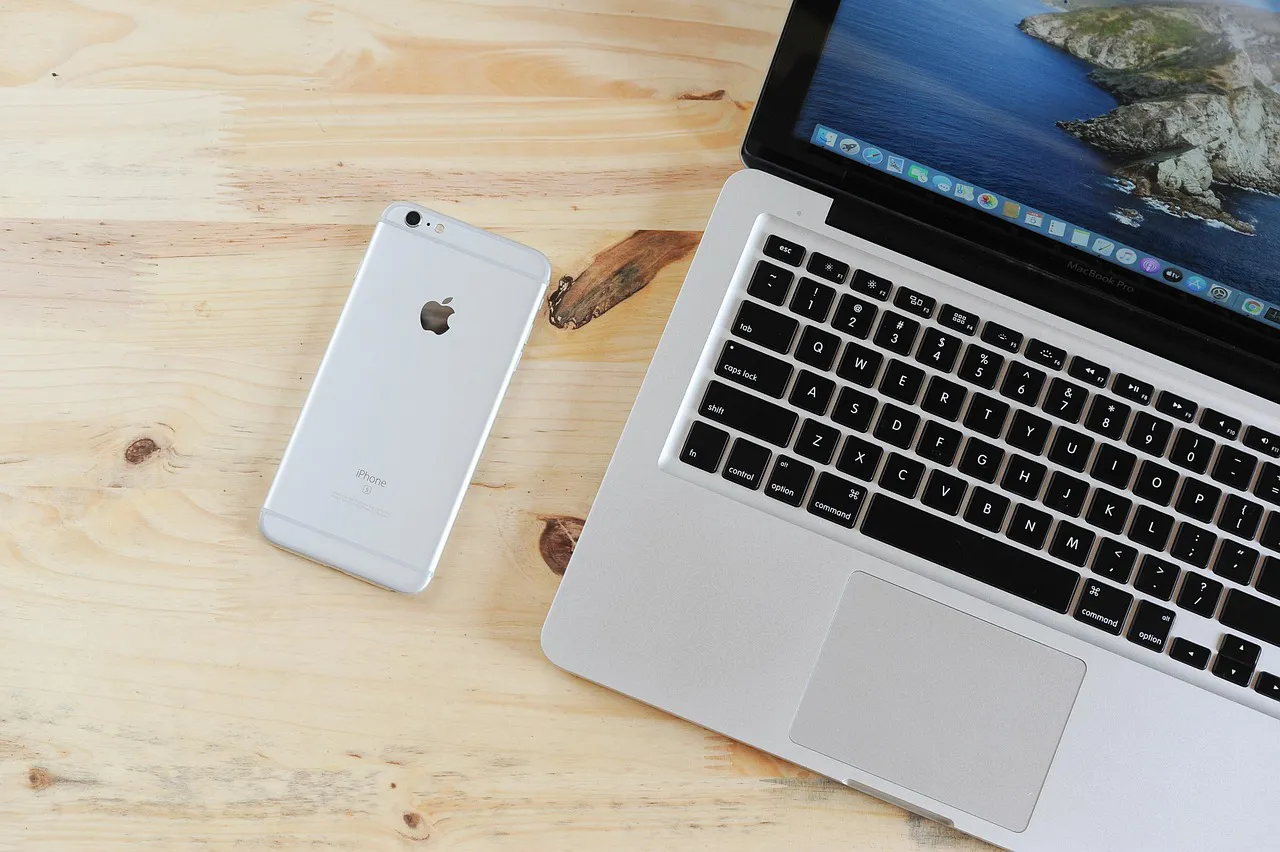
Apple’s MacBook and MacBook Pro arrived in 2006 as the company shifted from PowerPC processors to Intel chips. Sharing Intel Core Duo processors with competing PCs put Apple in more direct competition with them, while its laptop designs helped establish trends that rivals would pursue over the following two decades.
In 2008, Apple introduced aluminum unibody cases, carved from a single block of metal. Stronger and lighter construction encouraged imitation, although Apple’s control over the metal chassis supply chain initially complicated competitors’ efforts. The wedge-shaped MacBook Air redesign of 2010 accommodated larger batteries and faster storage, influencing ultraportable designs from ASUS and Acer.
The 2012 MacBook Pro extended Apple’s Retina display concept from the iPhone to laptops, accelerating competition over screen resolution. Apple was not always ahead, however: Dell pioneered exceptionally narrow screen borders, a design approach Apple took considerably longer to embrace.
The 2016 MacBook Pro introduced the Touch Bar while eliminating older ports in favor of USB-C connections and a headphone jack. Although thinner and lighter, it lacked connections many professionals relied on. Some competitors similarly reduced their ports, while others later emphasized broader connectivity in response to customer criticism.
Apple’s M1 chip marked another transition in 2020, delivering faster performance and longer battery life. Redesigned MacBook Pro models restored HDMI and an SD card reader in 2021. Microsoft subsequently partnered with Qualcomm on Arm-powered Copilot+ laptops, seeking comparable performance and battery life. Apple’s influence thus extended beyond appearance to the technology inside competing computers.