

The Atlantic meridional overturning circulation, or Amoc, is a huge movement of water in the Atlantic Ocean. Warm water travels north from the tropics toward Greenland. There, it cools, becomes heavier, sinks to great depth, and later flows south again. This current helps move heat and salt across the ocean. Recent studies suggest that Amoc is weakening, although scientists still do not know exactly how fast it may change. If it slows further, northern Europe could face much colder winters even as the planet warms. Tropical monsoon patterns could shift, and sea levels could rise along the US east coast. One reason Amoc stays out of the news is that it is hard to picture, because it happens far below the surface.
scienceIntermediate1 min read6/19/2026
The Atlantic current that is difficult to show
Amoc is a deep Atlantic current that moves heat north and returns south at depth. Studies suggest it is weakening. Scientists warn that a bigger slowdown could bring colder winters in northern Europe, change tropical monsoons, and raise sea levels along the US east coast.

More stories to read
 health2 min read10/27/2026
Scientists Trace Tiny-People Visions to a Mushroom
DNA testing linked unusual visions in China and the Philippines to the same mushroom species. An unknown chemical may be responsible for its effects.
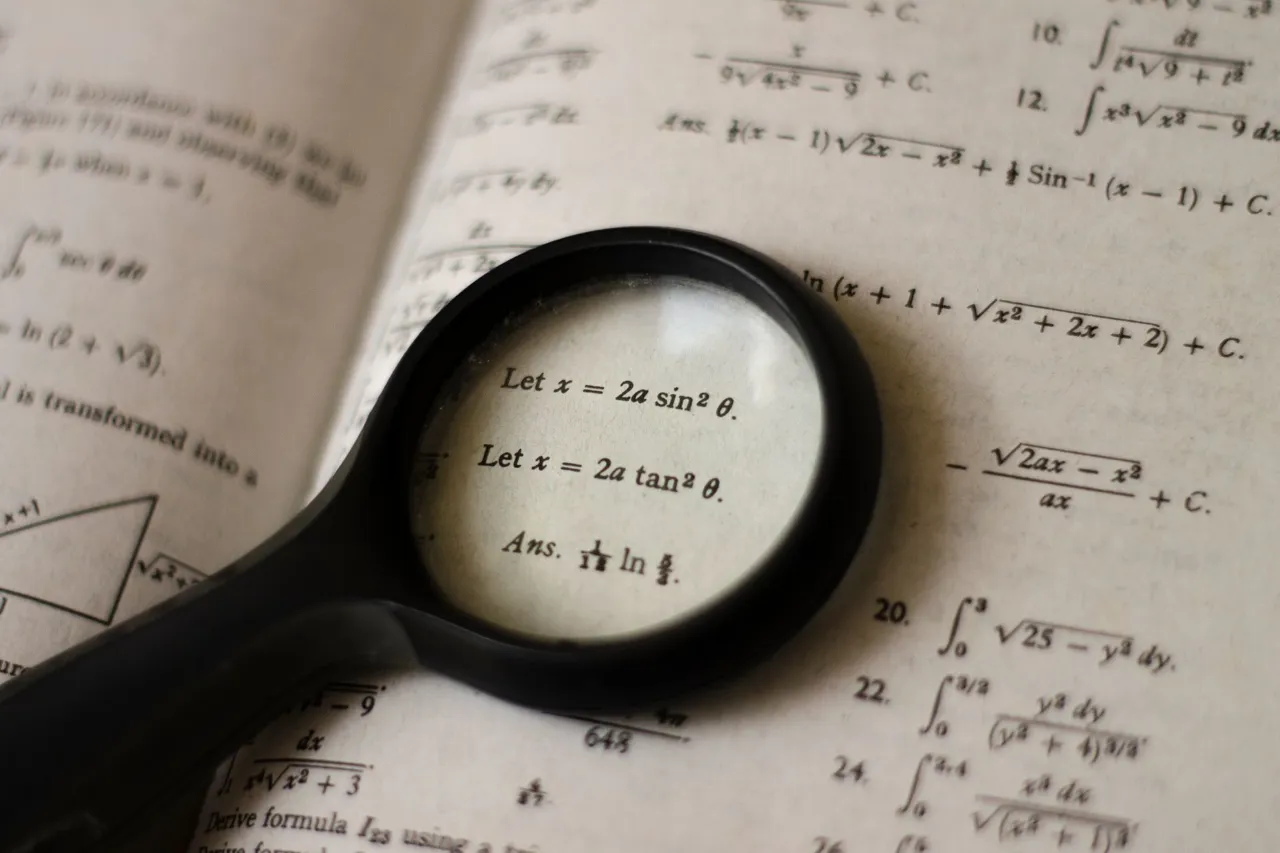 ai2 min read10/27/2026
Researchers to Examine Three OpenAI Scientific Claims
OpenAI reports AI-generated results about difficult computer problems, wave behavior, and particle physics. Independent researchers will examine and explain the claims.
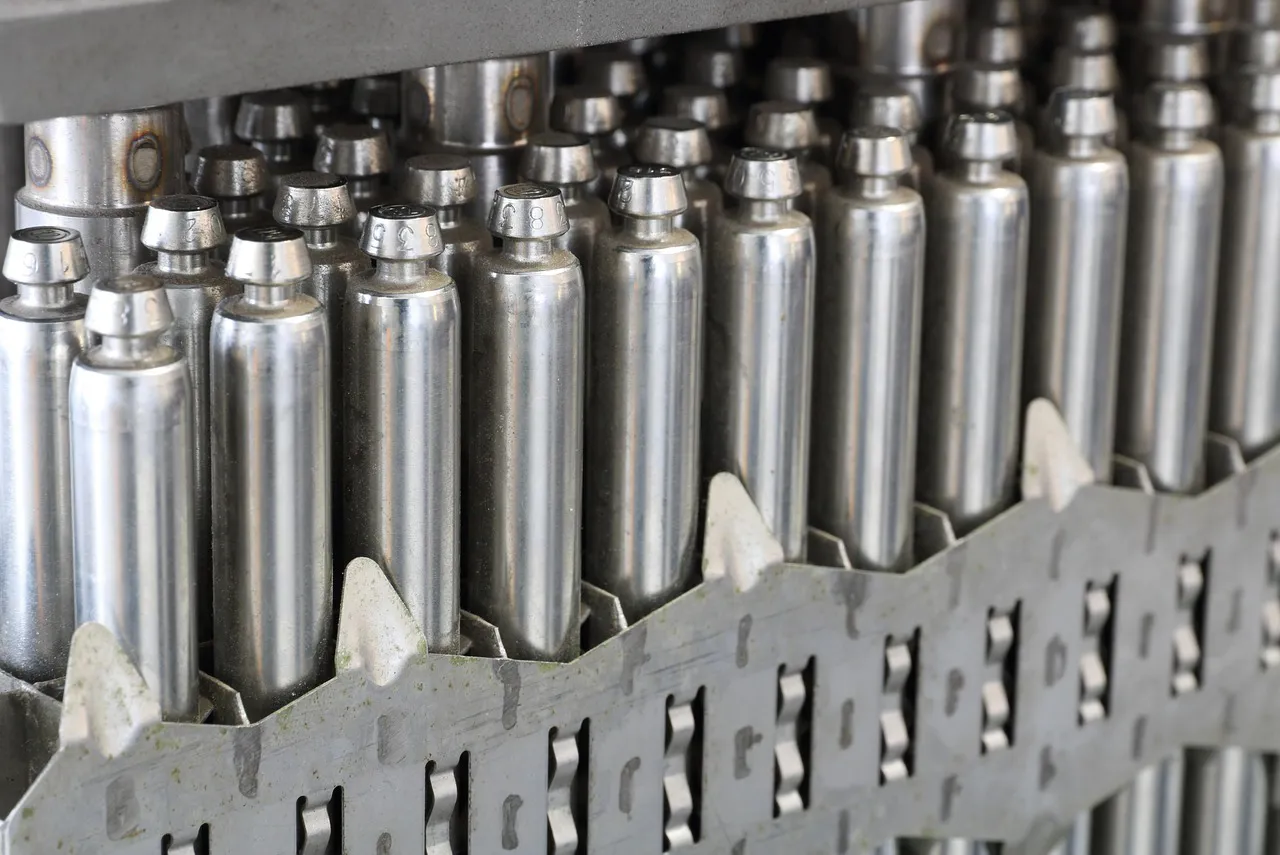 business2 min read10/27/2026
New Westinghouse Factory to Expand Nuclear Fuel Production
A roughly $1 billion project in South Carolina will produce higher-energy nuclear fuel, helping existing reactors generate more electricity and operate longer between refueling stops.
 health2 min read10/27/2026
Skipping Blood Pressure Medicine Can Weaken Its Benefits
Patients who followed their treatment more closely had larger blood pressure improvements and fewer major cardiovascular problems.
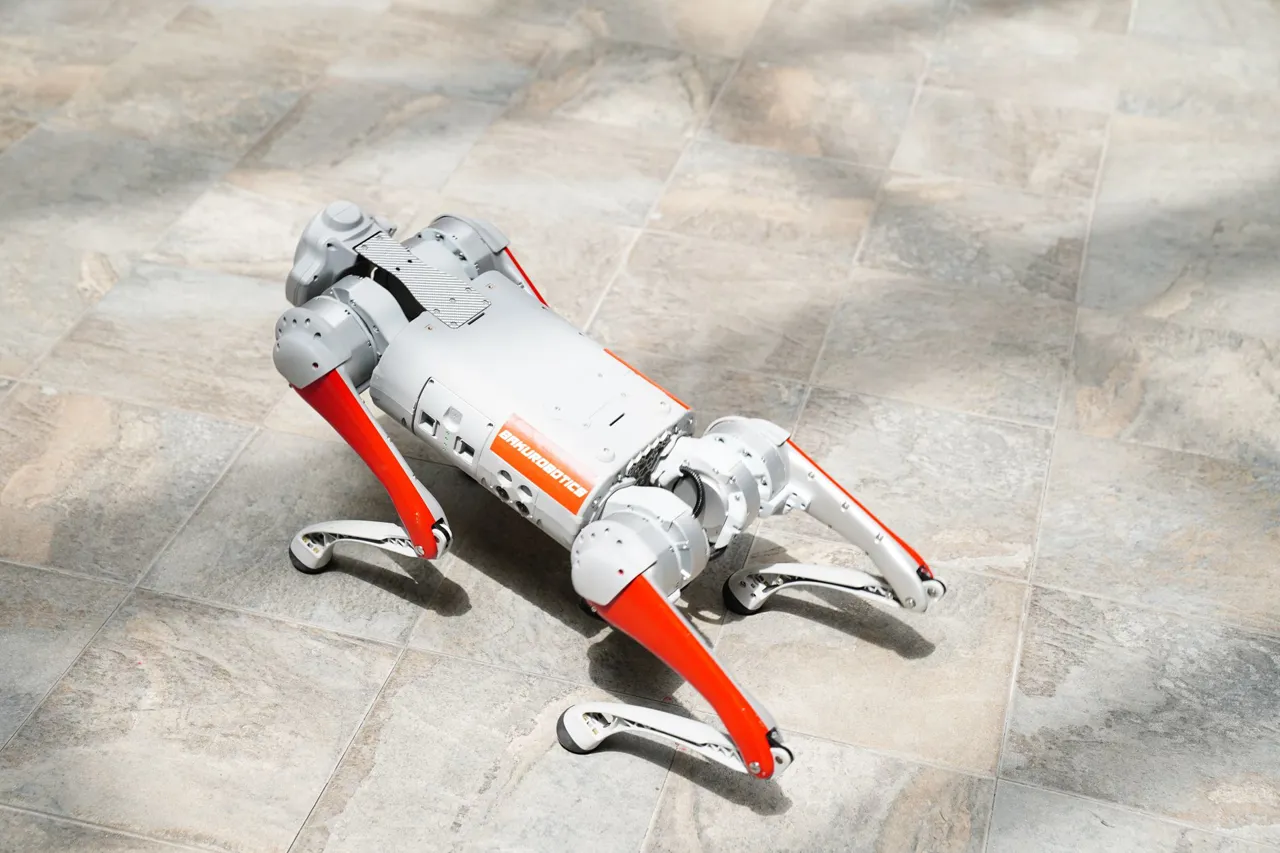 ai2 min read10/27/2026
Four-Legged Robot Uses Its Feet to Solve a Giant Rubik’s Cube
An ANYmal-D robot completed three independent solutions of a giant Rubik’s Cube. Camera guidance and skills learned in a computer simulation helped it move the puzzle using only its feet.