

The Atlantic meridional overturning circulation, known as Amoc, is one of the Atlantic Ocean’s most important climate systems. It moves warm surface water north from the tropics toward Greenland, where the water cools, becomes denser, sinks to about 5,000 metres, and then returns south at depth. In this way, it redistributes heat and salinity across a vast region. Recent studies suggest that Amoc is weakening, though researchers say its future path and pace of change remain uncertain. If it slows further, northern Europe could see much colder winters even in a warming world, tropical monsoons could shift, and sea levels could rise suddenly along the US east coast. Yet the system rarely holds public attention, in part because it is difficult to visualize. Scientists can trace it through coral records, sediment layers, instruments, computer models, and satellite clues, but these materials are made for analysis rather than news use. As a result, coverage often relies on red-and-blue diagrams or other visual stand-ins, which may simplify the science while making it easier to see.
Why a major Atlantic climate system rarely stays visible in the news
Amoc is a deep Atlantic circulation that transports heat northward and back south at depth. Multiple studies point to a weakening trend, though the future path remains uncertain. Because the system is largely invisible, journalists often struggle to find images that match its scale and importance.

More stories to read
 health2 min read10/27/2026
Mushroom Study Points to an Unknown Hallucinogenic Compound
Researchers linked highly specific hallucinations in China and the Philippines to Lanmaoa asiatica, a mushroom that may contain an unidentified psychoactive substance.
 ai2 min read10/27/2026
OpenAI Scientific Claims Face Independent Scrutiny Under Different Release Plans
OpenAI reports AI-generated proofs concerning computational complexity, wave behavior, and quantum field theory. Independent examination and differing publication arrangements place verification and academic credit at the center of the announcement.
 business2 min read10/27/2026
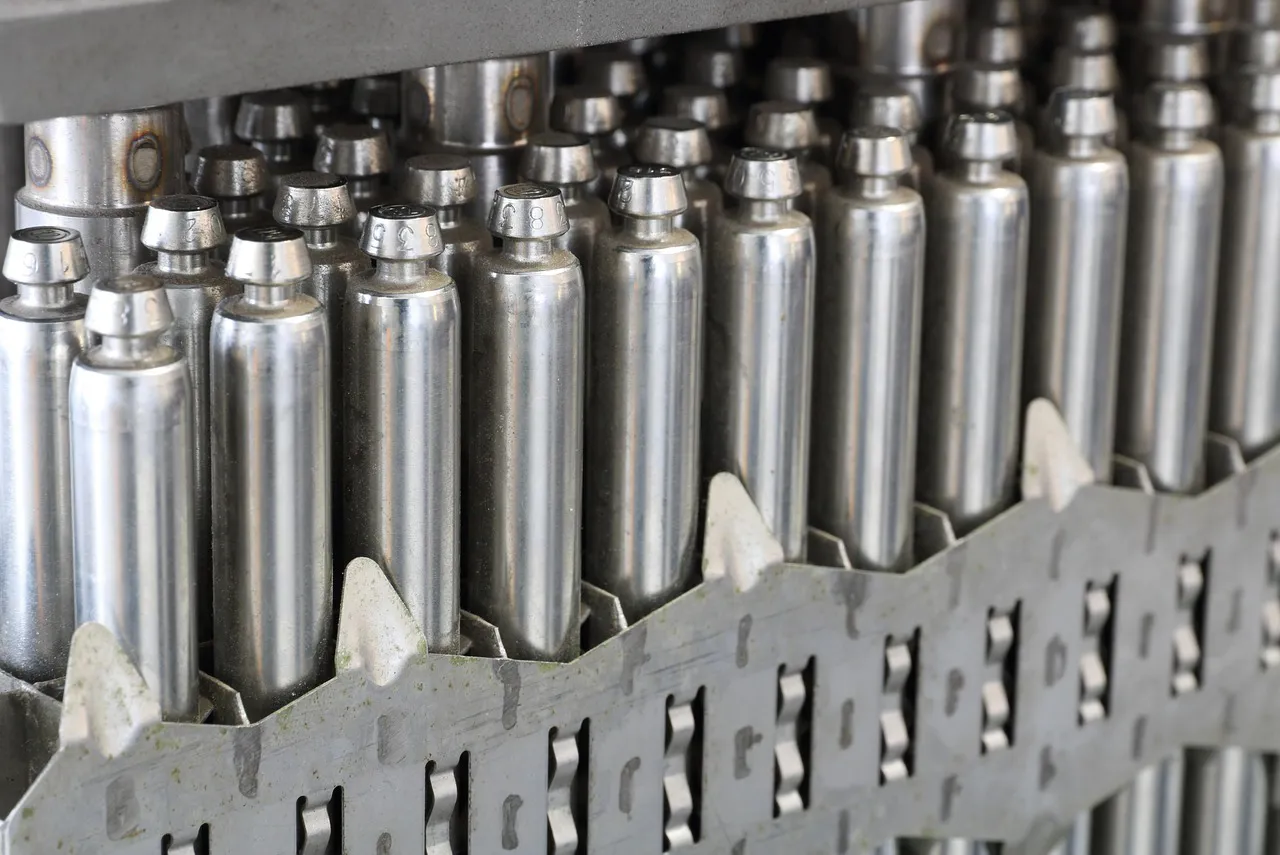
Westinghouse Expands Higher-Enrichment Fuel Manufacturing With $1 Billion Plant
The South Carolina facility will bring LEU+ fuel into wider commercial use, supporting longer reactor operating cycles and increased output. Westinghouse has also advanced high-temperature testing of its eVinci microreactor.
 health2 min read10/27/2026
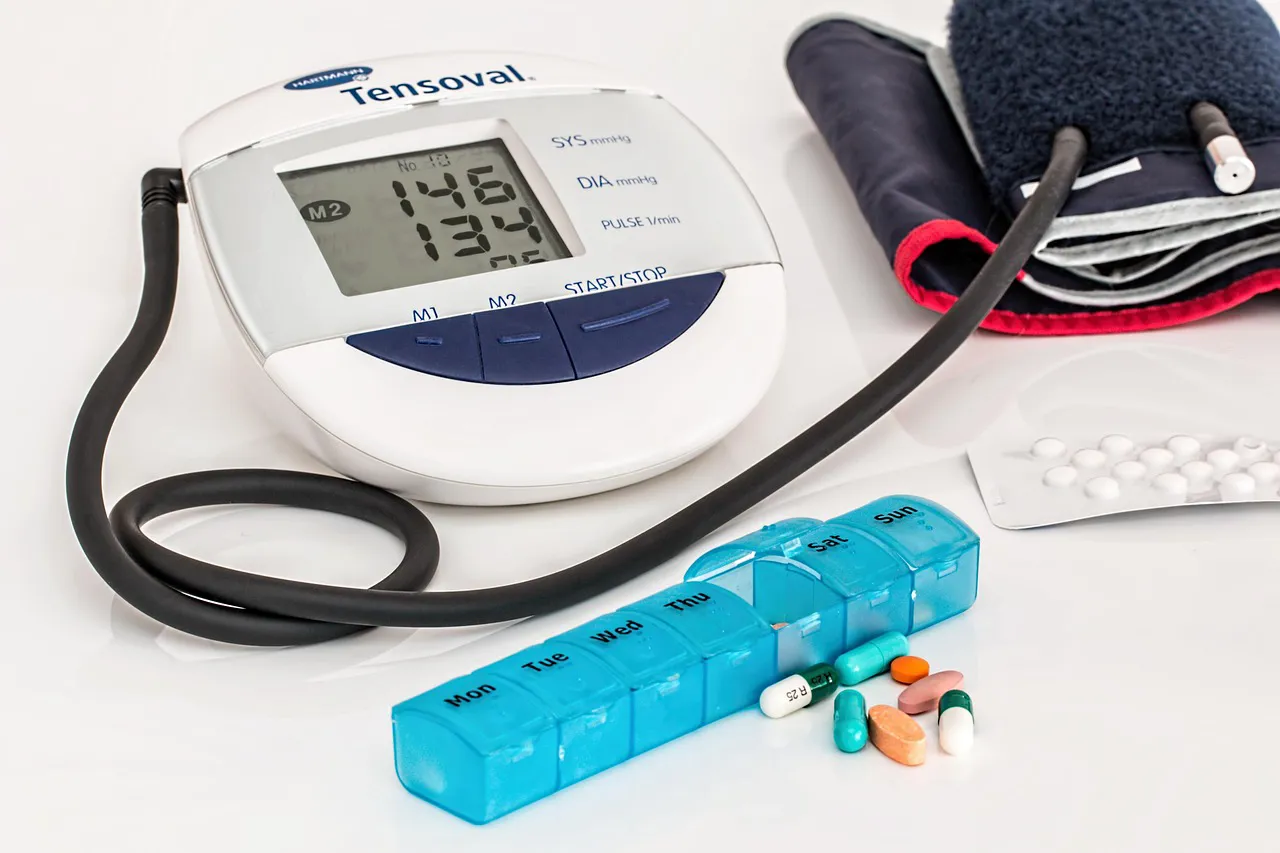
Inconsistent Blood Pressure Treatment May Undermine Cardiovascular Protection
An analysis of randomized trial data linked stronger medication adherence to greater blood pressure reductions and an 11% decrease in major cardiovascular events.
 ai2 min read10/27/2026
ANYmal-D Solves Giant Rubik’s Cube Through Coordinated Foot Movements
Researchers at ETH Zurich and NVIDIA demonstrated three autonomous Rubik’s Cube solutions on a four-legged robot. The system combines onboard perception, automated planning and movement skills trained through reinforcement learning.