OpenAI announced three claimed scientific breakthroughs on October 26, 2026. Its AI models produced results in mathematics, computer science, and physics, but the projects follow different paths for public release and expert review.
The computer science result challenges the Exponential Time Hypothesis, an assumption about how difficult certain problems are to solve quickly. Hundreds of research papers rely on it. Russell Impagliazzo, Ramamohan Paturi, and Ryan Williams will lead an independent examination. They stress that their involvement does not confirm the claim is correct.
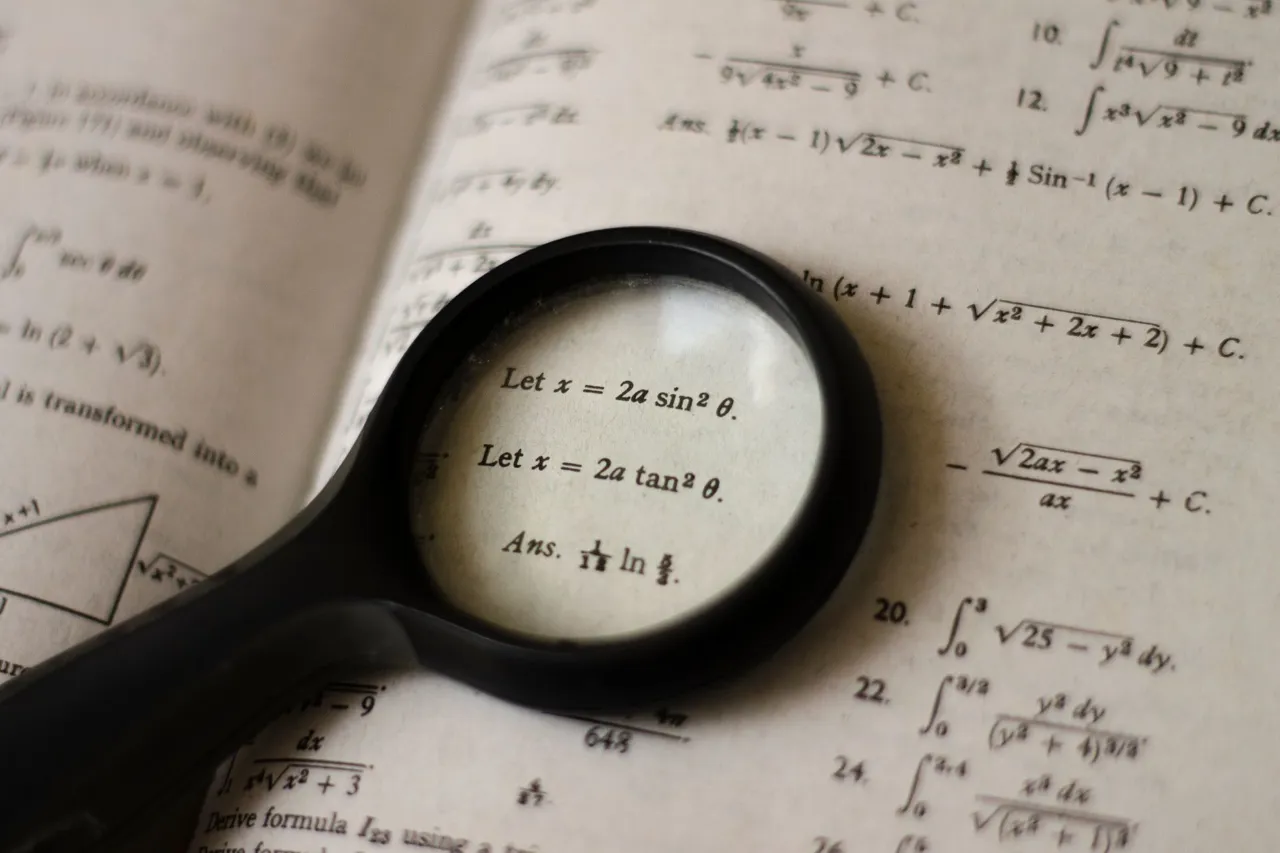
In a separate mathematics project, OpenAI says its models proved the local smoothing conjecture, which concerns wave behavior, in every spatial dimension. The company published the mathematics and computer science materials on GitHub, including proofs written in Lean, a system that checks mathematical arguments by computer. The mathematics materials are available for researchers to examine and explain themselves.
Separately, the physics result claims to establish that certain mathematical theories of particles and their interactions exist in four dimensions. These include quantum chromodynamics, which describes the strong force between particles called quarks and gluons. David Gross will lead an external group that will prepare its own explanation before releasing the AI-generated physics materials. OpenAI says it will not seek academic credit for the discoveries.