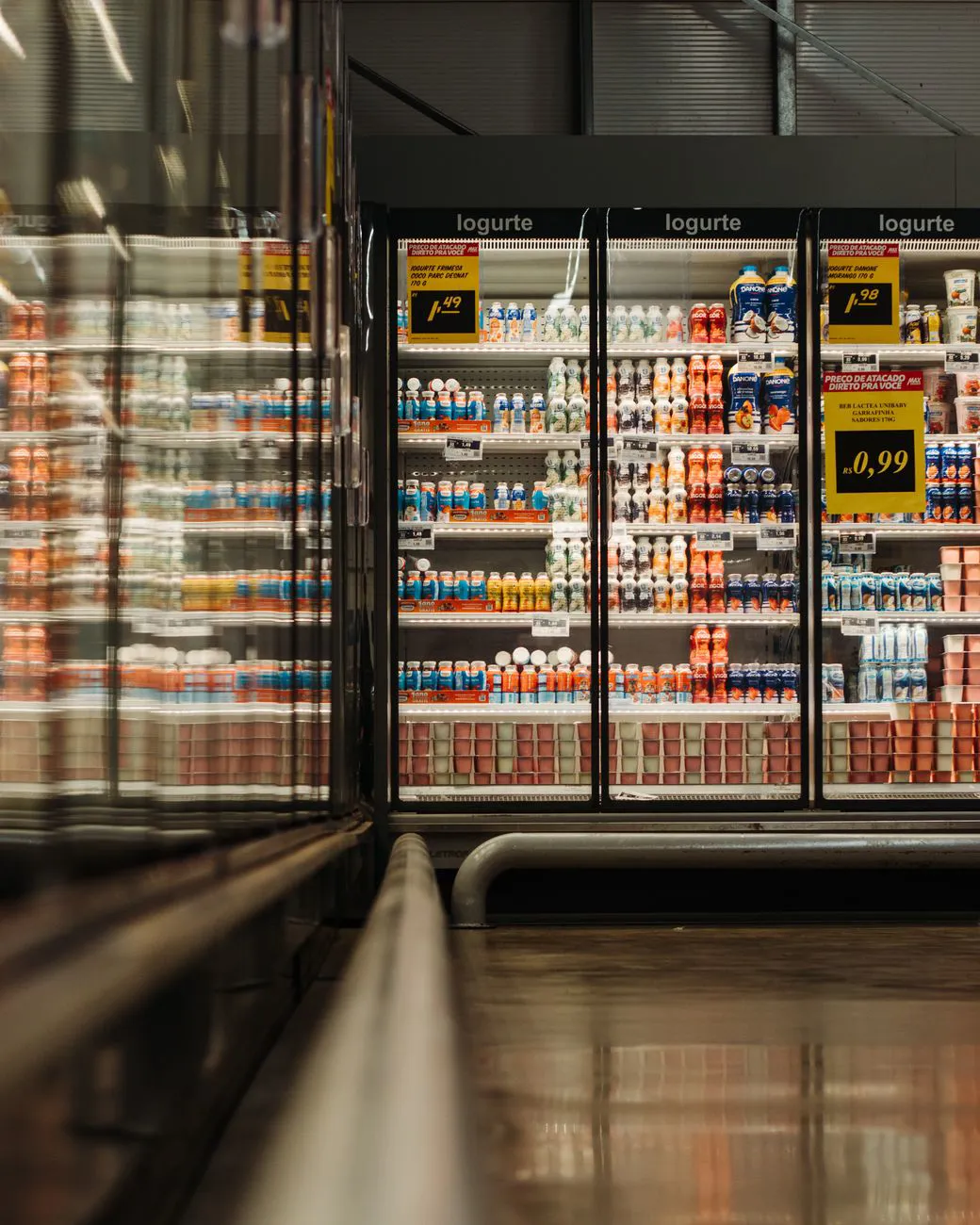
Suspected cyberattacks disrupted supermarket refrigeration across Sweden, Belgium, Ireland, Luxembourg, the Netherlands, and Estonia overnight into Monday, November 2. Some Swedish freezers reached 122 degrees Fahrenheit, forcing retailers to discard spoiled products. Reported disruptions included 15 Carrefour stores in Belgium and 13 SuperValu locations in Ireland.
Belgian refrigeration contractor Sabcobel said attackers had switched equipment into defrost mode. Belgian prosecutors opened an investigation, but those responsible have not been identified. No group has claimed responsibility.
Remote connectivity allows technicians to diagnose faults and adjust refrigeration settings without traveling to individual stores. According to equipment supplier Danfoss, it can reduce unnecessary technician visits by 15% to 30%. However, compromised controllers can also allow intruders to manipulate temperatures, initiate defrost cycles, or disable alarms using ordinary system functions.
Research published in October by cybersecurity firm Forescout identified 12,976 exposed refrigeration management services across 99 countries and territories. Those figures measure internet exposure, not confirmed attacks. The company recommends removing controllers from the open internet, restricting access through secure tools, replacing unsupported equipment, and giving contractors individual accounts with multifactor authentication.
In a separate wave of attacks, hundreds of French supermarkets suffered refrigeration disruption in October. Some systems affected in France and the latest incidents used Danfoss technology, but investigators have not established whether the same vulnerabilities or perpetrators were involved. Sabcobel said physical modifications were necessary for some equipment, while Danfoss said customers using outdated software had been affected.