Hina Battery is advancing plans for commercial sodium-ion vehicle batteries as China introduces a temporary tax advantage over certain lithium-ion alternatives. A 2% consumption tax took effect for specified lithium-ion batteries on September 1, 2026, and will increase to 4% a year later. Qualifying sodium-ion batteries that meet national standards are exempt through December 31, 2028.
Under an agreement signed with Wuhan's Jiangxia District on October 14, Hina plans a production base with annual capacity of 10 GWh, including 3 GWh in its first phase. Construction is scheduled to start in early 2027, with initial production targeted before year-end.
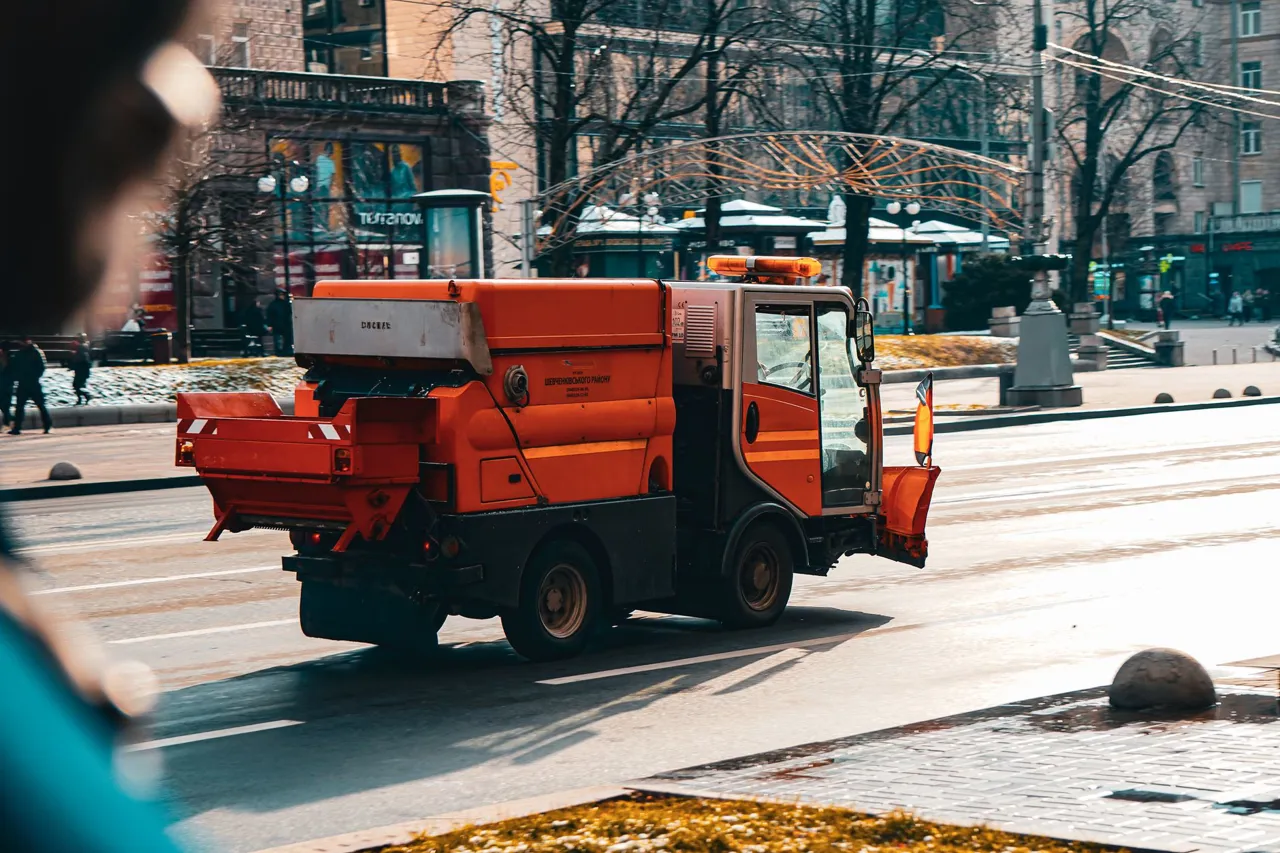
A separate agreement with Chengli Special Automobile Group covers the development of sodium-ion-powered sanitation vehicles. The proposed lineup includes refuse collection trucks, hook-lift vehicles, dust-suppression trucks, and vehicles for collecting food waste.
The chemistry has attracted interest for its potential cold-weather performance: FAW Jiefang reported that a sodium-ion battery in one of its heavy electric trucks retained more than 90% of usable capacity during testing at minus 40 degrees Fahrenheit. Sodium's wider geographic distribution could also diversify raw-material supplies, although downstream production remains concentrated in China, particularly in battery cells, cathode materials, and hard carbon.
These advantages come with limitations. Lower energy density can require larger or heavier packs to store an equivalent amount of energy, while falling lithium prices have narrowed the cost gap between the technologies. Consequently, the tax exemption provides a fiscal benefit without necessarily making sodium-ion batteries cheaper to manufacture.