China is offering a temporary tax advantage to qualifying sodium-ion batteries, which use sodium rather than lithium. Certain lithium-ion batteries became subject to a 2% consumption tax in September 2026. That rate will rise to 4% in September 2027, while sodium-ion batteries meeting national standards remain exempt through 2028.
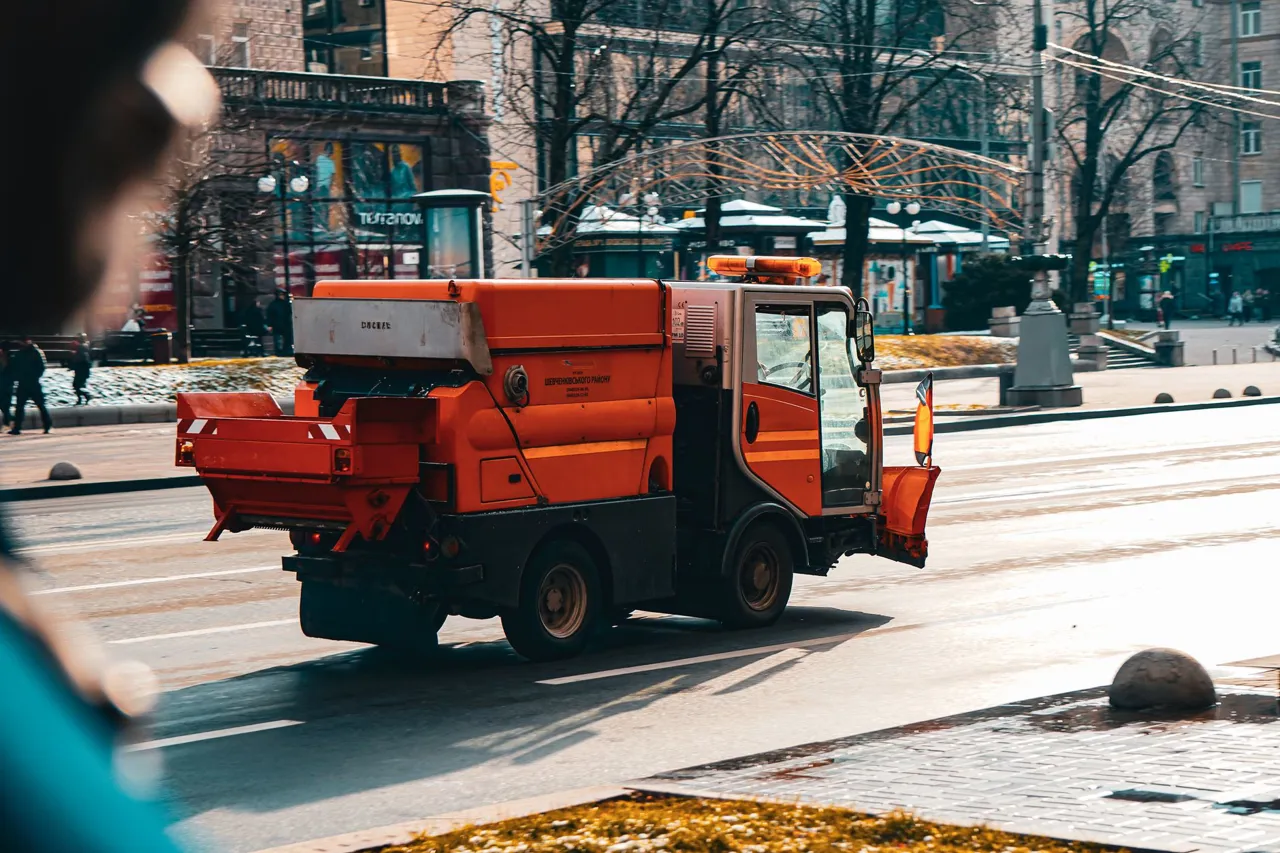
Hina Battery plans to build a sodium-ion battery factory in Wuhan. Work is due to start in early 2027, and the company aims to begin production before the year ends. The company has also agreed to work with Chengli Special Automobile Group on electric sanitation vehicles, including trucks for collecting garbage and food waste.
Cold-weather performance is one potential strength of the technology. FAW Jiefang reported that a heavy electric truck with a sodium-ion battery kept more than 90% of its usable energy capacity during testing at minus 40 degrees Fahrenheit. Sodium is also available across more geographic areas than lithium.
However, sodium-ion batteries have lower energy density, meaning they store less energy for their size or weight. A pack may therefore need to be larger or heavier to store the same energy as a lithium-ion alternative. Falling lithium prices have also reduced the cost gap, so the tax exemption does not automatically make sodium-ion batteries cheaper to produce.