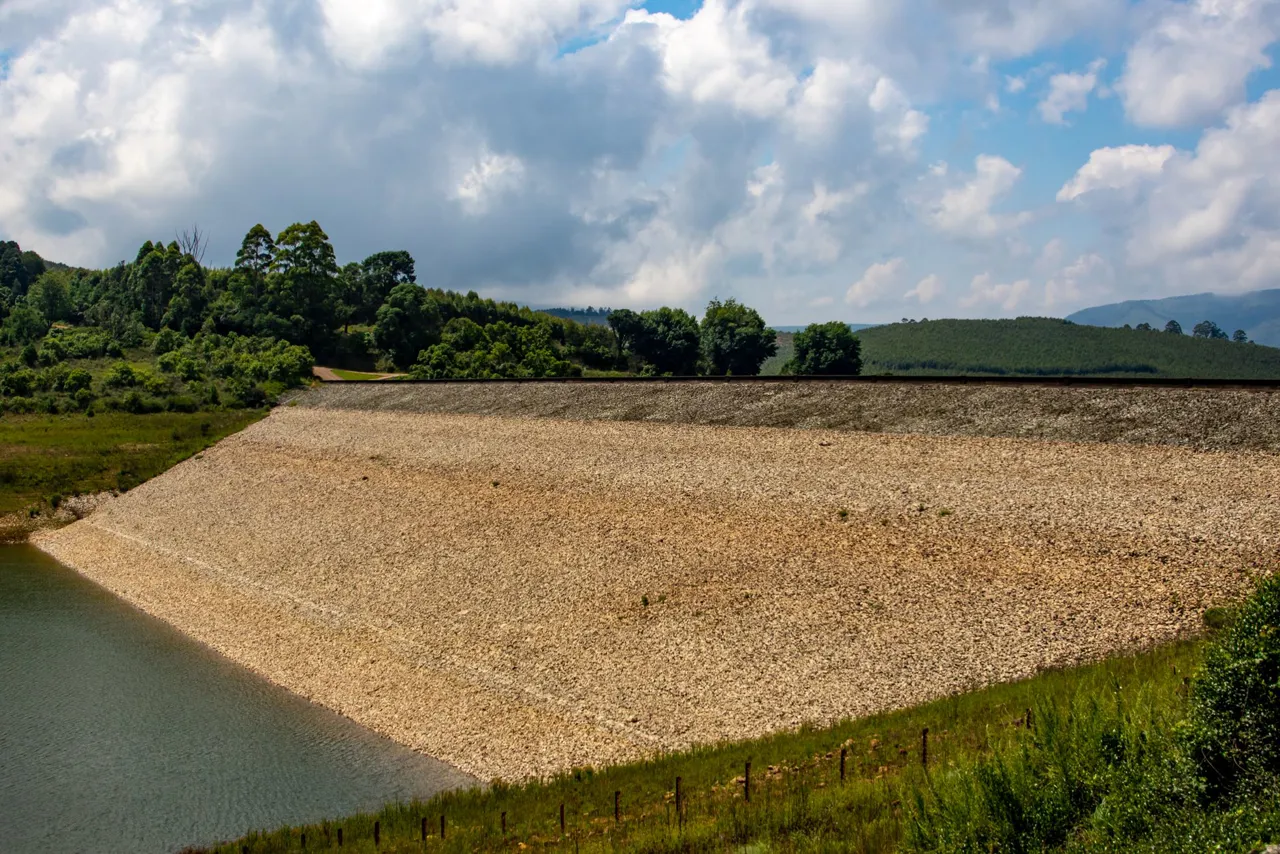
Competition over land and water has strained relations between farmers and herders in Torla, northern Ivory Coast. As grazing areas and water sources dried up, cattle had to travel farther from the village, sometimes crossing cultivated fields and damaging crops. Seasonal livestock movements and agricultural expansion increasingly compete for limited space: during the rainy season, growing areas of farmland leave less pasture available, pushing animals farther away, sometimes toward borders. These pressures reflect changing environmental conditions experienced by communities across the region in recent years.
A restored dam, whose rehabilitation was completed in August, is helping ease those tensions. It stores more water and delivers a more dependable supply through the dry months for both livestock and irrigation. Managed by the community, the project receives support from the International Organization for Migration, the United Nations Peacebuilding Fund, and partners. Its objectives are to prevent resource-related conflicts and strengthen community resilience. Mr. Ouattara, who has headed the local herders’ association since 2021 and represents herders in disputes and community discussions, reports fewer confrontations and greater willingness to resolve problems through dialogue.
The benefits also extend to household livelihoods. With reliable water, Ms. Traoré has expanded her vegetable plot, and her work helps support her children’s schooling. Access to water creates further opportunities for women to cultivate vegetables for sale, an important source of household income locally. For residents, the dam represents more than agricultural infrastructure: shared resource management is supporting peaceful coexistence and greater stability for families.