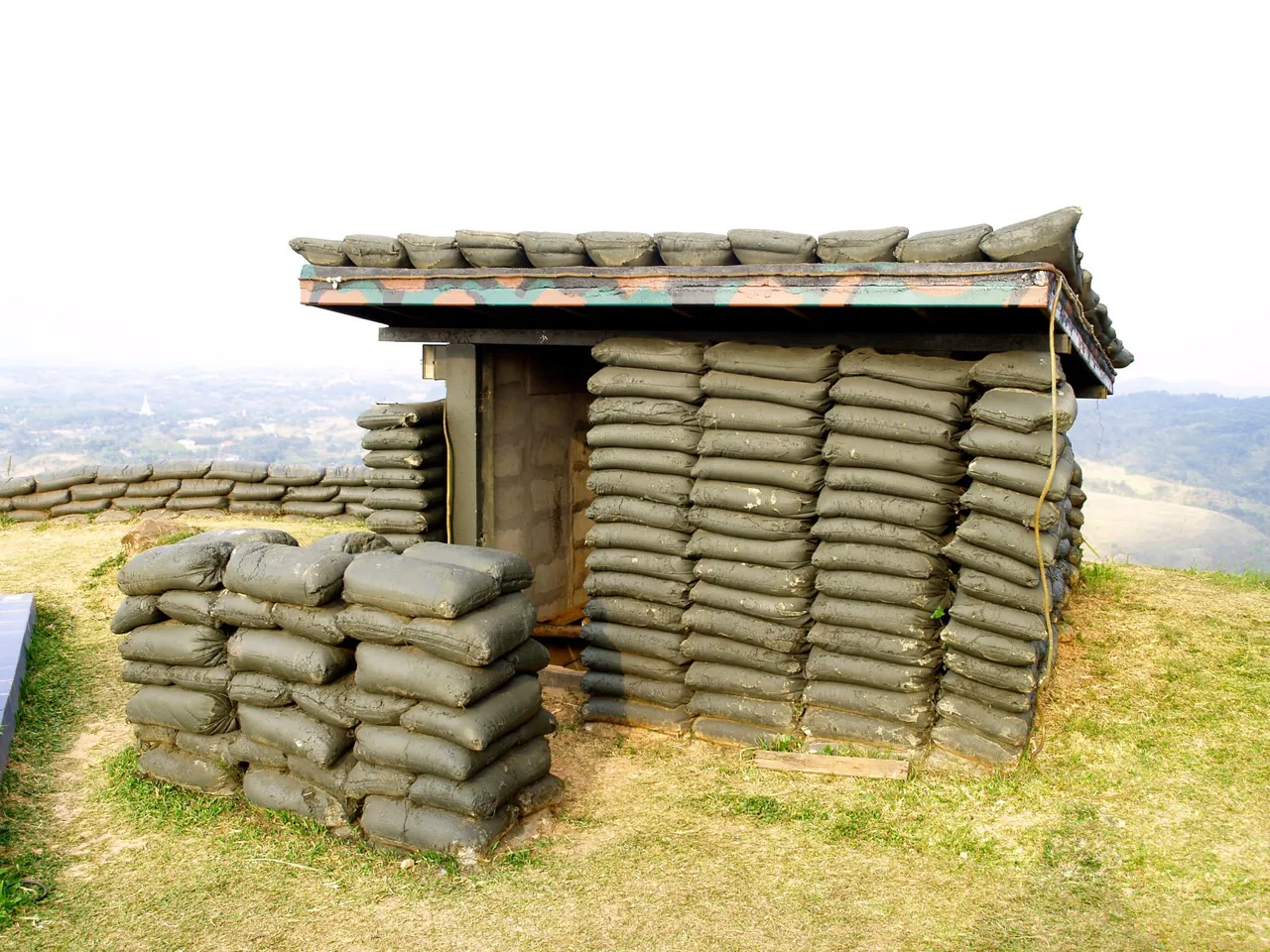
The Pentagon is developing a requirement for every major military installation in the continental United States to sustain essential operations independently for at least 90 days. Under the FORTRESS initiative, bases would prepare for wartime disruptions that could sever access to civilian electricity networks and outside supplies.
Defense Secretary Pete Hegseth introduced FORTRESS on September 30, initially emphasizing independent power generation. The proposed 90-day standard extends self-sufficiency to water, fuel, and communications. Portable nuclear reactors, large battery systems, and local power networks capable of disconnecting from the civilian grid are among the technologies envisioned.
FORTRESS also calls for reserves of ammunition, critical minerals, electronics, spare parts, fuel, and medical supplies. The most critical dependencies would require at least two qualified supply or production channels, preventing the loss of a single supplier from halting operations.
Britain, meanwhile, launched its Be Ready campaign on October 22, recommending household supplies for three days of disruption. The checklist includes three liters of drinking water per person daily, food requiring no cooking or refrigeration, flashlights, portable chargers, first-aid supplies, and a battery-powered or hand-cranked radio. Households are also encouraged to store pet food and water and retain cash in case electronic payments and ATMs become unavailable.
Neither government has said a new war is imminent, and the two initiatives are not known to be coordinated. Britain's campaign addresses severe weather and other emergencies as the opening stage of a three-year effort. It follows household preparedness guidance published in May 2024.