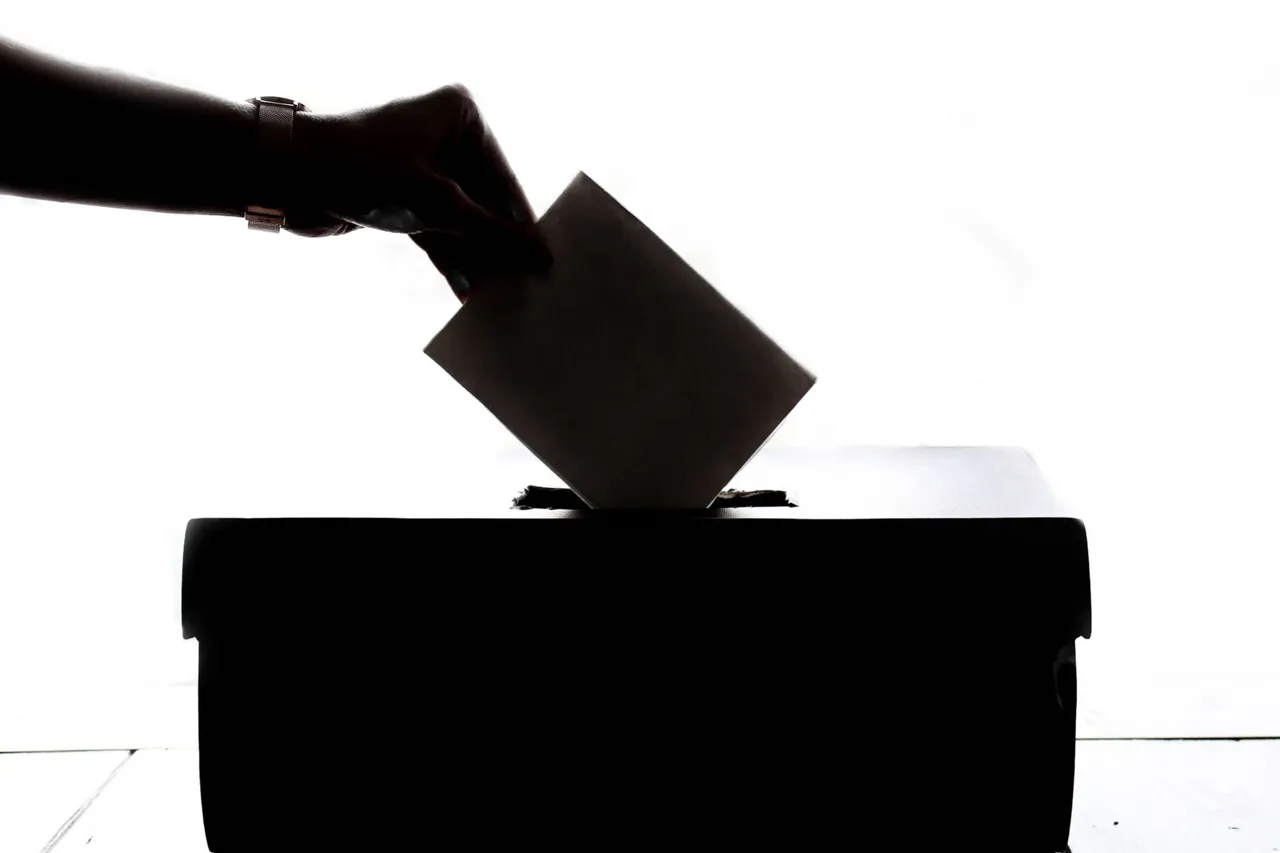
Lula da Silva won Brazil’s 2026 presidential election after trailing in the first round, an unprecedented reversal since direct presidential elections resumed under a two-round system in 1989. Celebrating his fourth presidential election victory, he pledged to deliver the best presidential term in the country’s history.
Born on October 27, 1945, in Garanhuns, Pernambuco, Lula turns 81 in 2026. His progression from metalworker to union organizer established his political reputation, particularly through strikes he led between 1978 and 1980 during the military dictatorship. Those mobilizations helped pave the way for the Workers’ Party’s founding in 1980.
Following presidential defeats in 1989, 1994, and 1998, Lula won in 2002 and served two consecutive terms. Supporters attribute reductions in poverty and inequality to his administration’s social policies, including family assistance and an initiative to combat hunger. In 2014, under his successor Dilma Rousseff, Brazil left the United Nations’ Hunger Map following a substantial reduction in undernourishment linked to social and economic policies.
His career was subsequently disrupted by corruption proceedings arising from the Car Wash investigation. Imprisoned in 2018 and released in 2019, Lula had his convictions annulled by the Supreme Court in 2021 because the court in Curitiba lacked jurisdiction. The ruling cleared the way for his successful presidential campaign in 2022.
Despite his latest electoral comeback, Lula faces a political landscape markedly different from that of his first two terms. Brazil remains deeply polarized, Congress is dominated by the center-right, and the movement associated with former President Jair Bolsonaro continues to command significant electoral support.