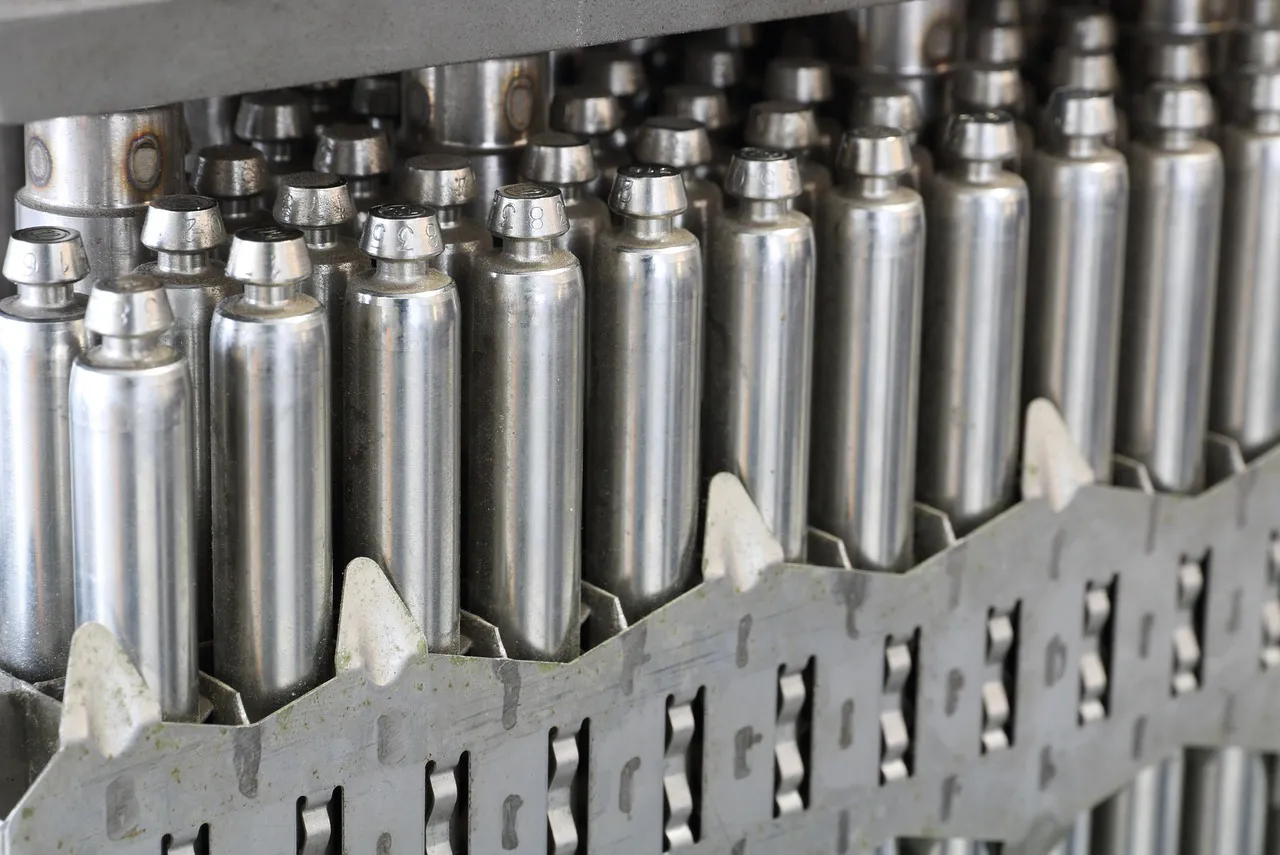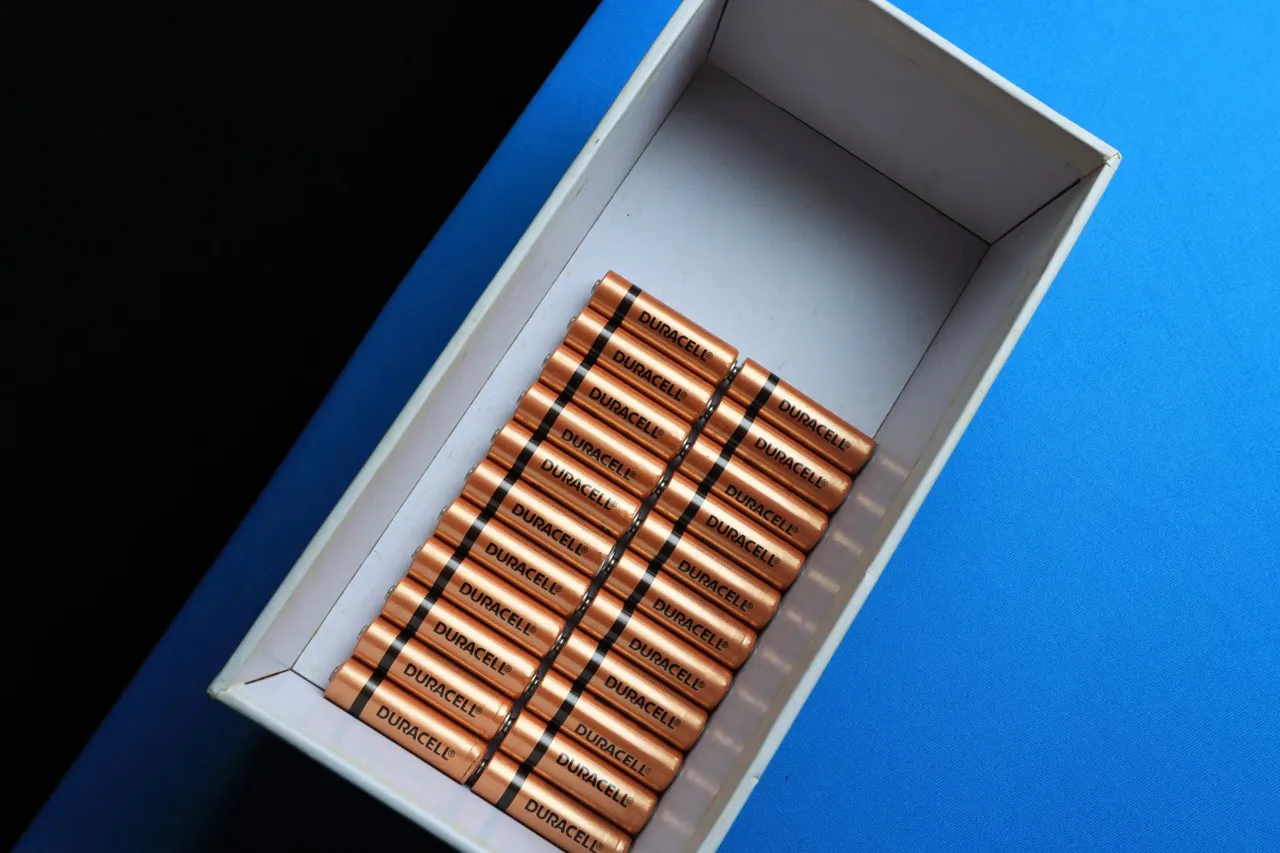
NASA is developing batteries that could power tools and vehicles on future Moon missions. Its SPEARS project uses solid materials instead of the liquid found inside many ordinary batteries. Liquid can freeze in extreme cold, which may damage a battery. The new design could help equipment survive the harsh conditions near the Moon’s South Pole.
During tests at NASA’s Langley Research Center in Virginia, small battery models survived minus 274 degrees Fahrenheit without damage. However, surviving the cold does not mean they can supply power at that temperature. They operated at minus 112 degrees Fahrenheit, but their performance was lower than at warmer temperatures. Small heaters could warm the batteries before use, so they would not need to stay warm continuously. This could reduce the need for heavy equipment that controls temperature.
The batteries could eventually support NASA’s Artemis program by powering Moon vehicles, scientific instruments, and astronauts’ emergency equipment. For now, they remain small laboratory models and have not been tested in space. Further development and testing are needed before they are ready for use on missions.