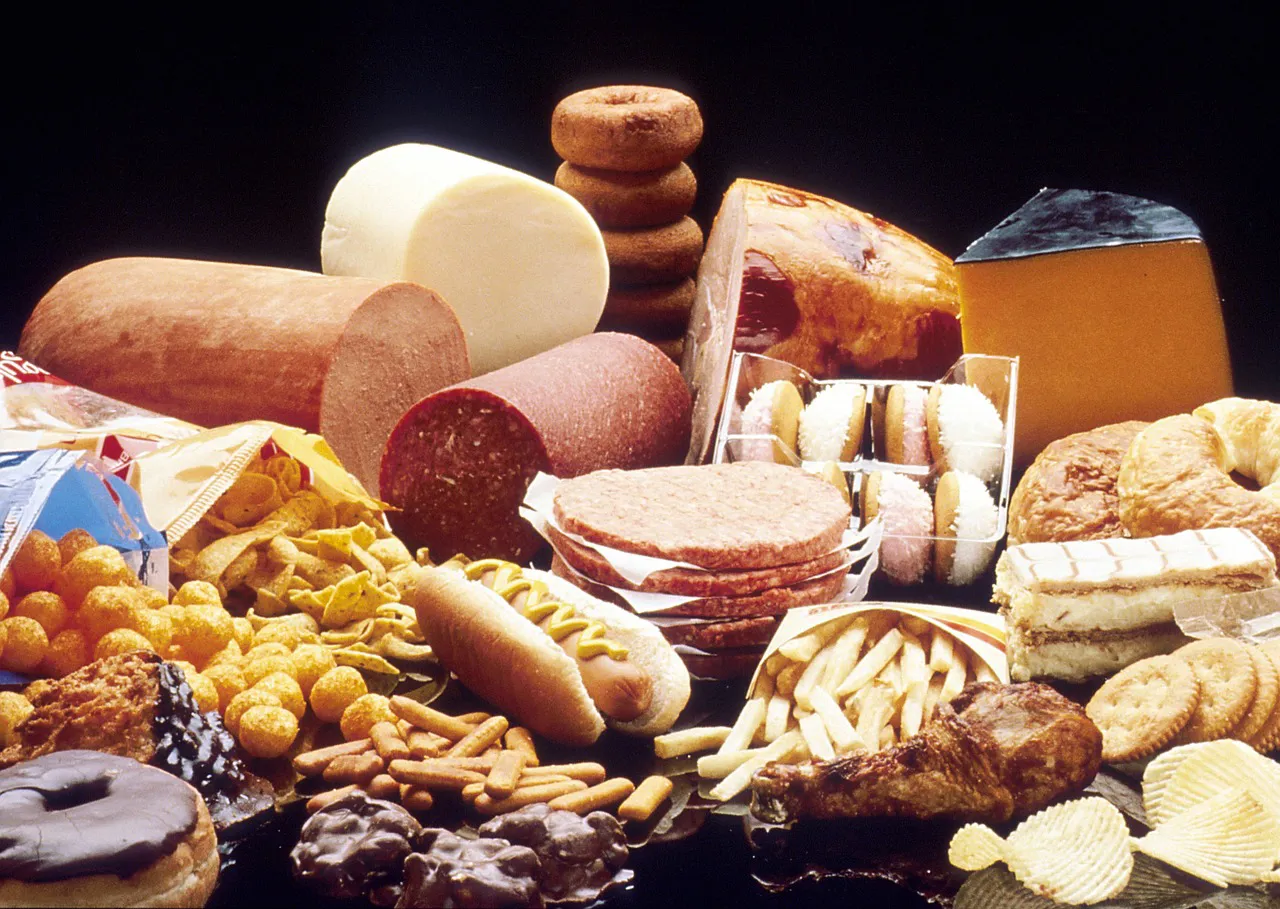
A study led by Erikka Loftfield of the National Cancer Institute found no overall association between ultra-processed food consumption and colorectal cancer incidence. Published October 15 in PLOS Medicine, the research examined 461,682 Americans who entered the NIH-AARP Diet and Health Study in 1995 and 1996, aged 50 to 71. Participants were tracked through 2018, with a median follow-up of 18.8 years.
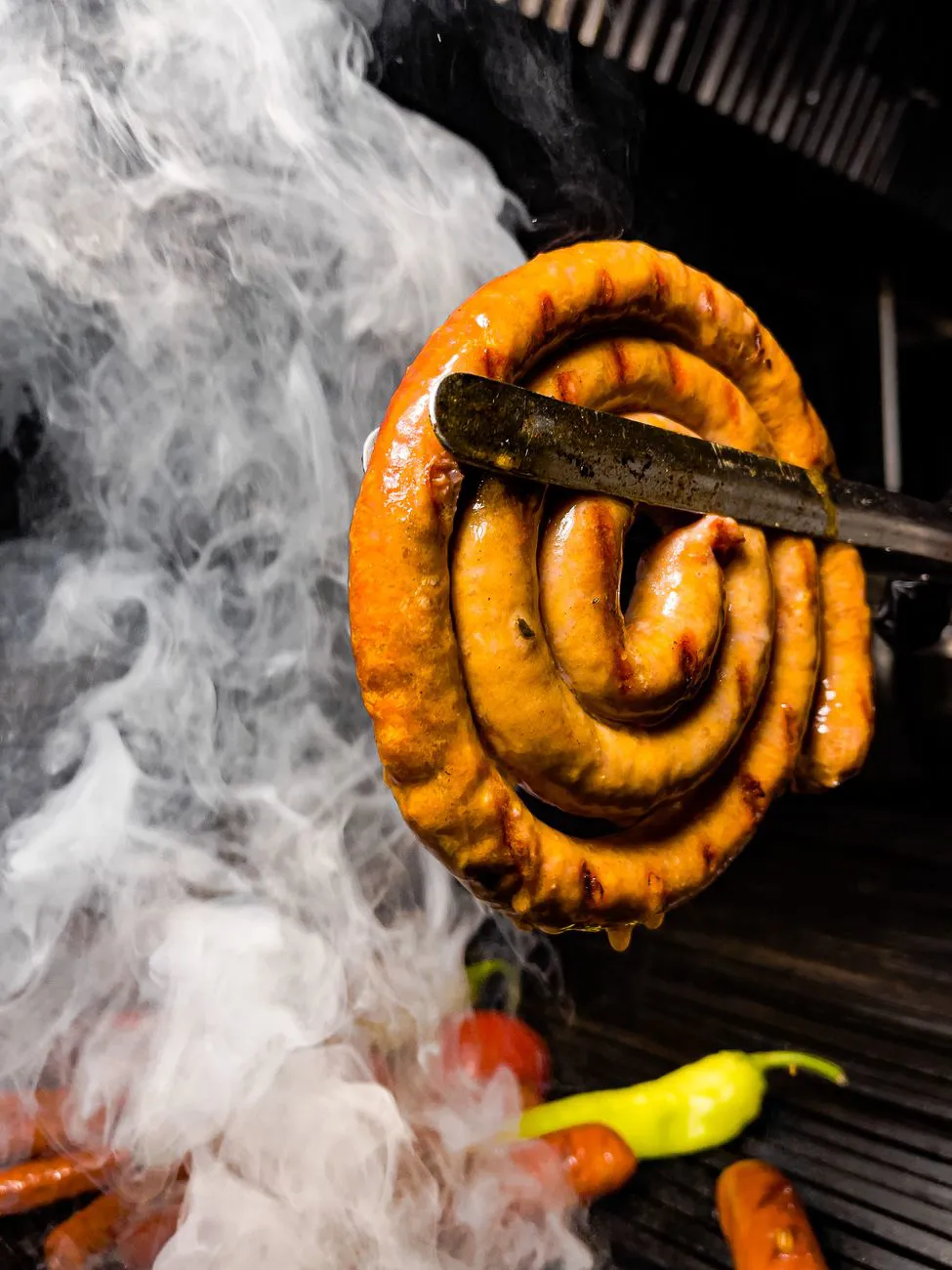
Beneath the overall result, however, individual food groups showed contrasting associations. Higher consumption of whole grain foods and dairy products from ultra-processed sources was associated with lower colorectal cancer incidence, whereas meat from ultra-processed sources was associated with higher incidence. A substitution analysis also linked replacing 10% of ultra-processed food intake by weight with minimally processed alternatives to a 2% lower incidence. The findings suggest that nutritional composition may be more informative than processing classifications alone. They also align with existing prevention guidance encouraging whole grains and dairy while limiting processed meat.
Important limitations qualify the interpretation. Because the research was observational, it cannot establish that particular foods caused or prevented cancer. Participants were predominantly older white Americans, limiting how broadly the findings may apply. Dietary intake was assessed only at enrollment, leaving subsequent changes unaccounted for. Moreover, the growing availability and variety of ultra-processed products during follow-up may mean that initial assessments underestimated consumption over time. Rather than establishing that all ultra-processed foods are harmless or harmful, the results highlight differing associations within a diverse food category.