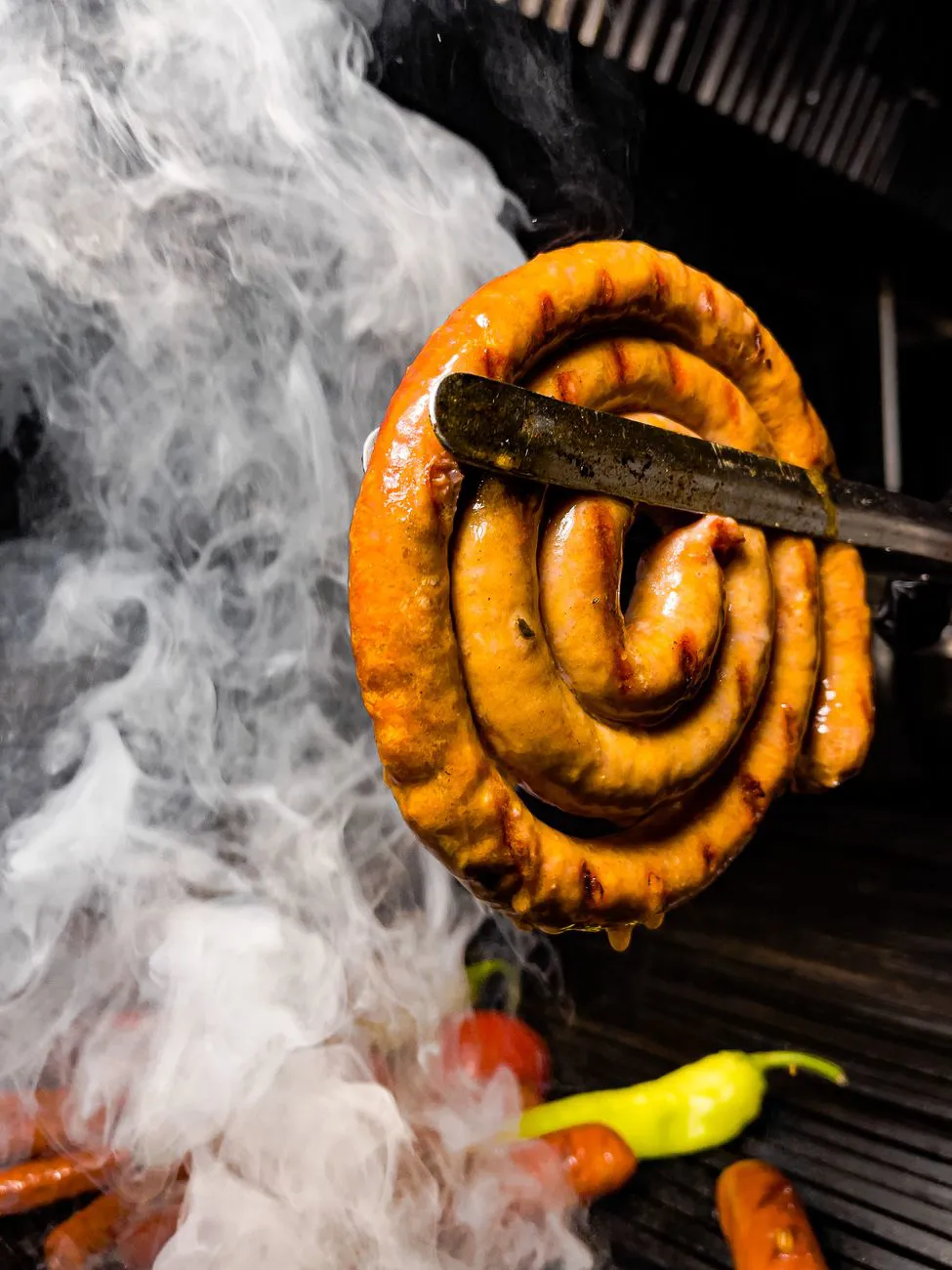
A traditional smoked pork sausage from Brittany has become the focus of a dispute over food safety and culinary heritage. Smoking over beechwood gives the product its distinctive flavor but also generates polycyclic aromatic hydrocarbons, or PAHs, potentially carcinogenic compounds subject to European Union limits. Producer Benoît Rivalan, whose business faces possible closure, says protective sleeves capture 80% of these contaminants during smoking without sacrificing flavor. He fears further changes would undermine the traditional wood-fire method.
French testing requirements have intensified the problem. Producers previously tested sausages without the skin, whereas the Agriculture Ministry subsequently required testing of the entire product because consumers also eat its outer layer. Rivalan says measured PAH levels consequently rose from between 6 and 8 micrograms to between 120 and 150 micrograms. Local councillor Paul Leguernic argues that France has interpreted EU requirements too strictly and criticizes the authorities for rejecting a label advising consumers to limit consumption of the skin.
Although France’s EU-skeptic far right has blamed Brussels, European rules permit exemptions for traditional smoked products whose flavor would be significantly altered by changes to production. A European Commission spokesperson confirmed that 10 other EU countries had obtained such exemptions, while France had not requested one. Brittany’s regional president appealed to the government on September 28, and all regional political parties except the Greens backed a resolution supporting that request. Meanwhile, Rivalan has cut production by 30% and reduced his workforce from 19 to 14 in anticipation of a potential shutdown.