

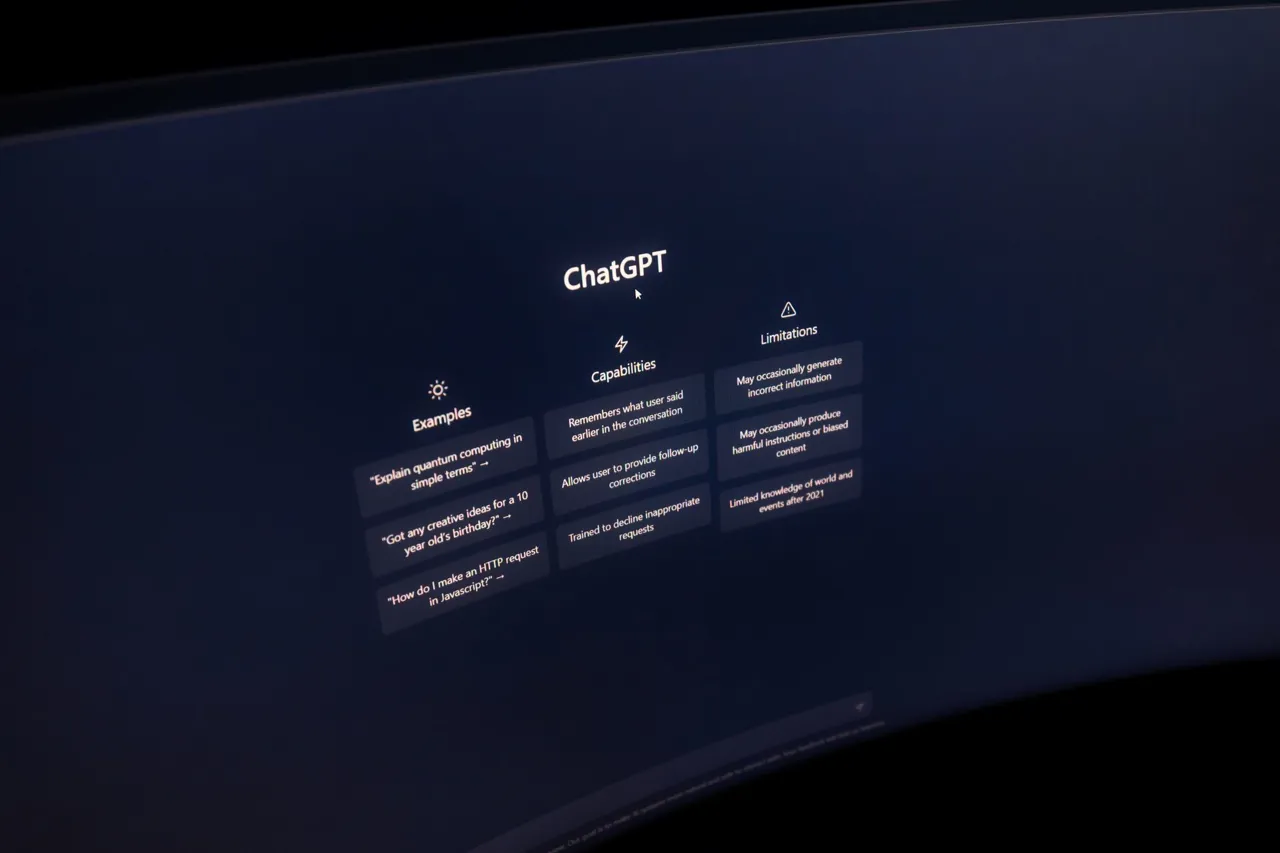
As technology companies shift more attention from chatbots such as ChatGPT, Gemini, and Grok to AI agents, a new KAIST study highlights the energy cost of that change. AI agents are systems that can carry out tasks on their own by planning multiple steps, searching the web, gathering information, running calculations, and using other tools. In tests on a large language model with 70 billion parameters, a complex agent query averaged 348.41 watt-hours of electricity. The Reflexion agent framework, running on Meta's Llama-3.1-Instruct 70B model, used 136.5 times more GPU energy per query than a standard chatbot, while the LATS system reached 62.1 times that level. The study also found that agent responses could take up to 153.7 times longer. Researchers said GPUs spent more than half their time waiting for outside websites or software tools, even though the system was still using power. They estimated that if daily use of AI agents reached about 13.7 billion requests worldwide, data centers could need around 199 gigawatts of power, which they compare with about half of average electricity use in the United States. Professor Rhu Min-soo said the problem may not be solved by software improvements alone, and that models, chips, and data center power systems may all need redesigning.
KAIST Study Shows the High Energy Cost of AI Agents
A KAIST study says AI agents can consume far more electricity than chatbots because they run many internal steps and keep models active for longer. The researchers warn that large-scale use could increase pressure on GPUs, data centers, and power grids.
More stories to read
 business2 min read10/27/2026
Westinghouse Expands Higher-Enrichment Fuel Manufacturing With $1 Billion Plant
The South Carolina facility will bring LEU+ fuel into wider commercial use, supporting longer reactor operating cycles and increased output. Westinghouse has also advanced high-temperature testing of its eVinci microreactor.
 environment2 min read10/27/2026
Colorado Wildlife Overpass Exceeds Crash-Reduction Expectations
Ten months after opening, North America’s largest wildlife overpass and its associated crossings have helped reduce wildlife-vehicle collisions by 91%. The results come as Colorado examines additional crossing sites.
 business2 min read10/26/2026
India Links Women-Led Agriculture to Its European Food Ambitions
At SIAL Paris 2026, India presented agricultural innovation and women’s empowerment alongside ambitions to expand its food brands in Europe.
 environment2 min read10/26/2026
ICAO Seeks Cross-Border Coordination to Ease Aviation Bottlenecks
Governments and industry have backed faster global adoption of coordinated air traffic management. Trials demonstrate savings, but limited information sharing between national systems remains an obstacle.
 environment2 min read10/25/2026
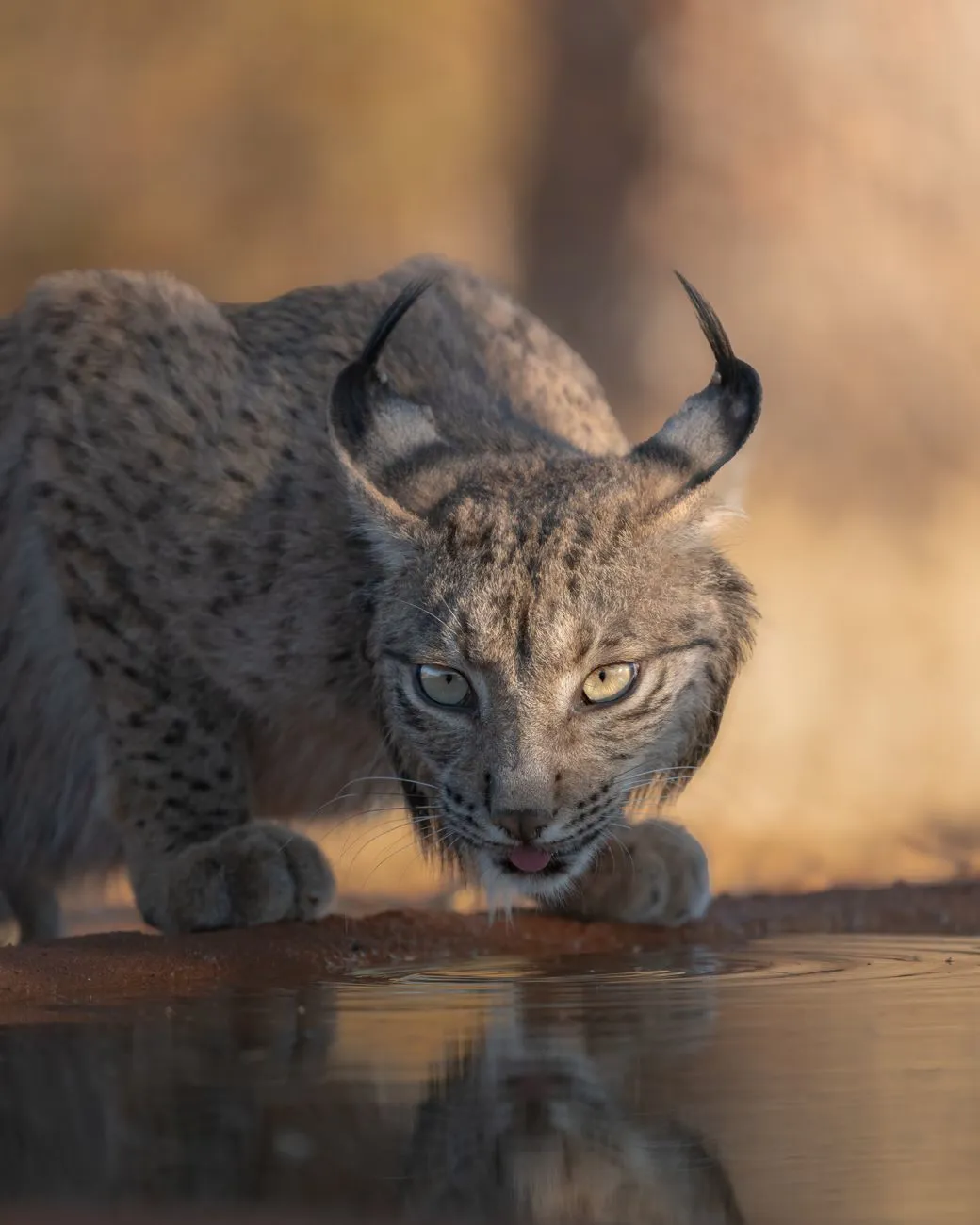
Iberian Lynxes Documented Soaking Prey Before Eating
Long-term monitoring in Spain has revealed female Iberian lynxes repeatedly submerging dead rabbits in water troughs, a behavior not previously documented in a wild cat. Its function remains uncertain.