

A study led by the Korea Advanced Institute of Science and Technology, or KAIST, examined the electricity use of AI agents. These systems can complete certain tasks on their own, while chatbots usually answer a single prompt and stop. In the tests, a complex agent query used 348.41 watt-hours of electricity on average. One agent system used 136.5 times more GPU energy per query than a normal chatbot, and another used 62.1 times more. The study also found that agents could take up to 153.7 times longer to produce an answer. Researchers said that much of the energy is spent while the system waits for responses from websites or other tools. They warned that if daily use reaches about 13.7 billion requests worldwide, data centers could need about 199 gigawatts of power.
Study Finds AI Agents Use Far More Electricity
Researchers at KAIST measured the power use of AI agents and compared it with chatbots. They found that agents can use far more energy because they plan and carry out many steps before they answer. The study warns that wider use could affect data centers and electricity networks.

More stories to read
 business2 min read10/27/2026
New Westinghouse Factory to Expand Nuclear Fuel Production
A roughly $1 billion project in South Carolina will produce higher-energy nuclear fuel, helping existing reactors generate more electricity and operate longer between refueling stops.
 environment2 min read10/27/2026
Colorado’s Wildlife Crossing Brings a Sharp Drop in Crashes
An animal crossing system near Larkspur has cut wildlife-vehicle crashes by 91%, slightly exceeding officials’ expectations. Colorado is considering six more crossing locations.
 business2 min read10/26/2026
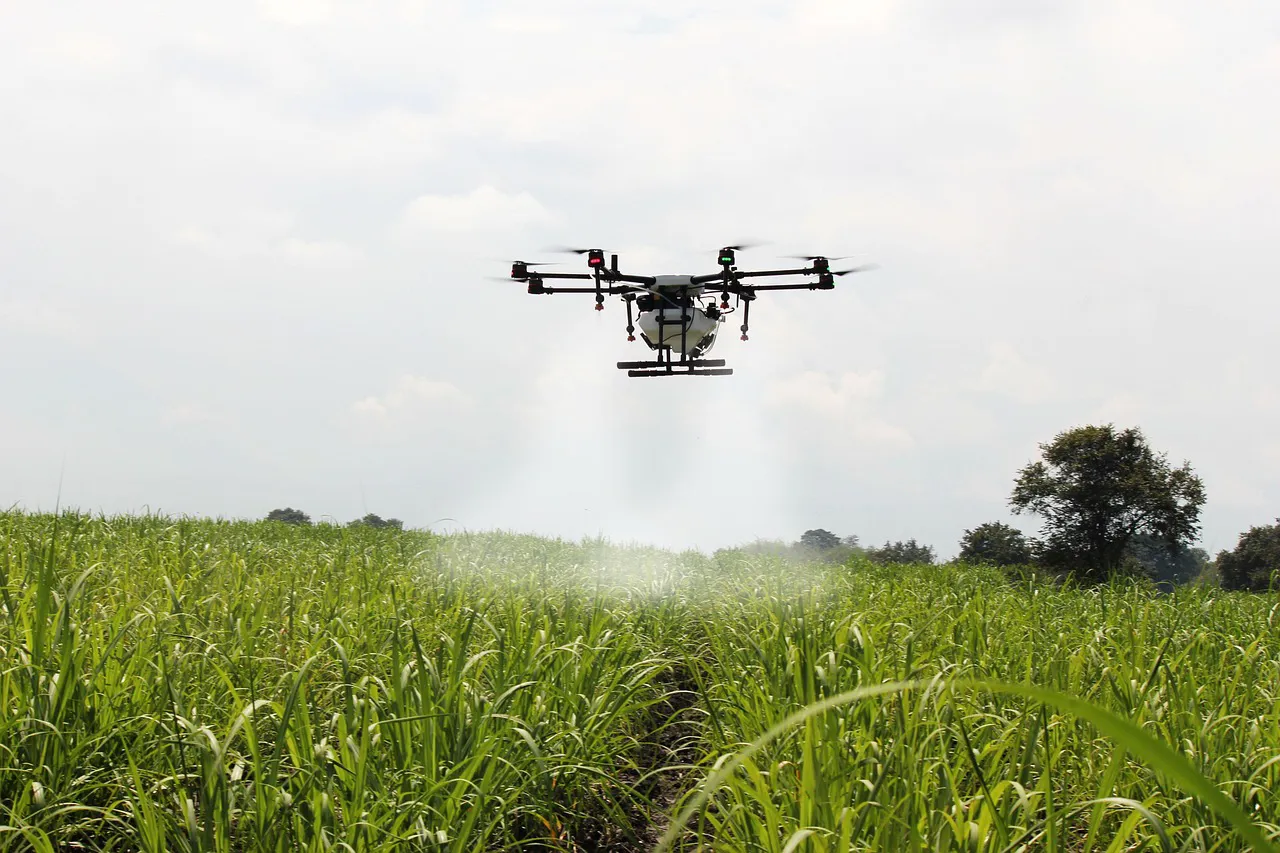
Women Farmers Help Shape India’s Food Message in Europe
India’s presentation at SIAL Paris connected more sustainable farming and women’s independence with plans to reach European food buyers.
 environment2 min read10/26/2026
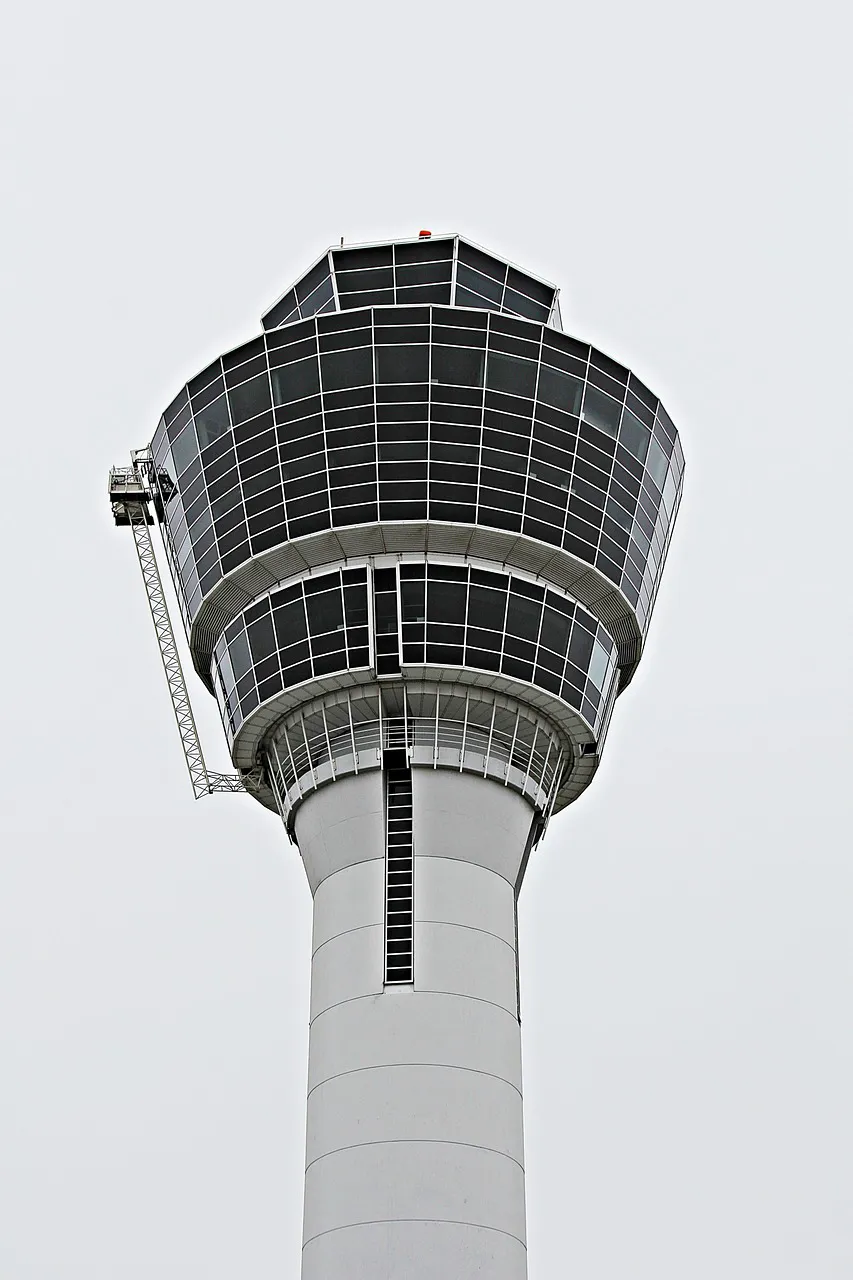
Countries Urged to Coordinate Flights and Cut Delays
The UN’s aviation agency is promoting shared flight planning across borders. The approach can reduce airborne waiting, save fuel and give passengers earlier information about disruption.
 environment2 min read10/25/2026
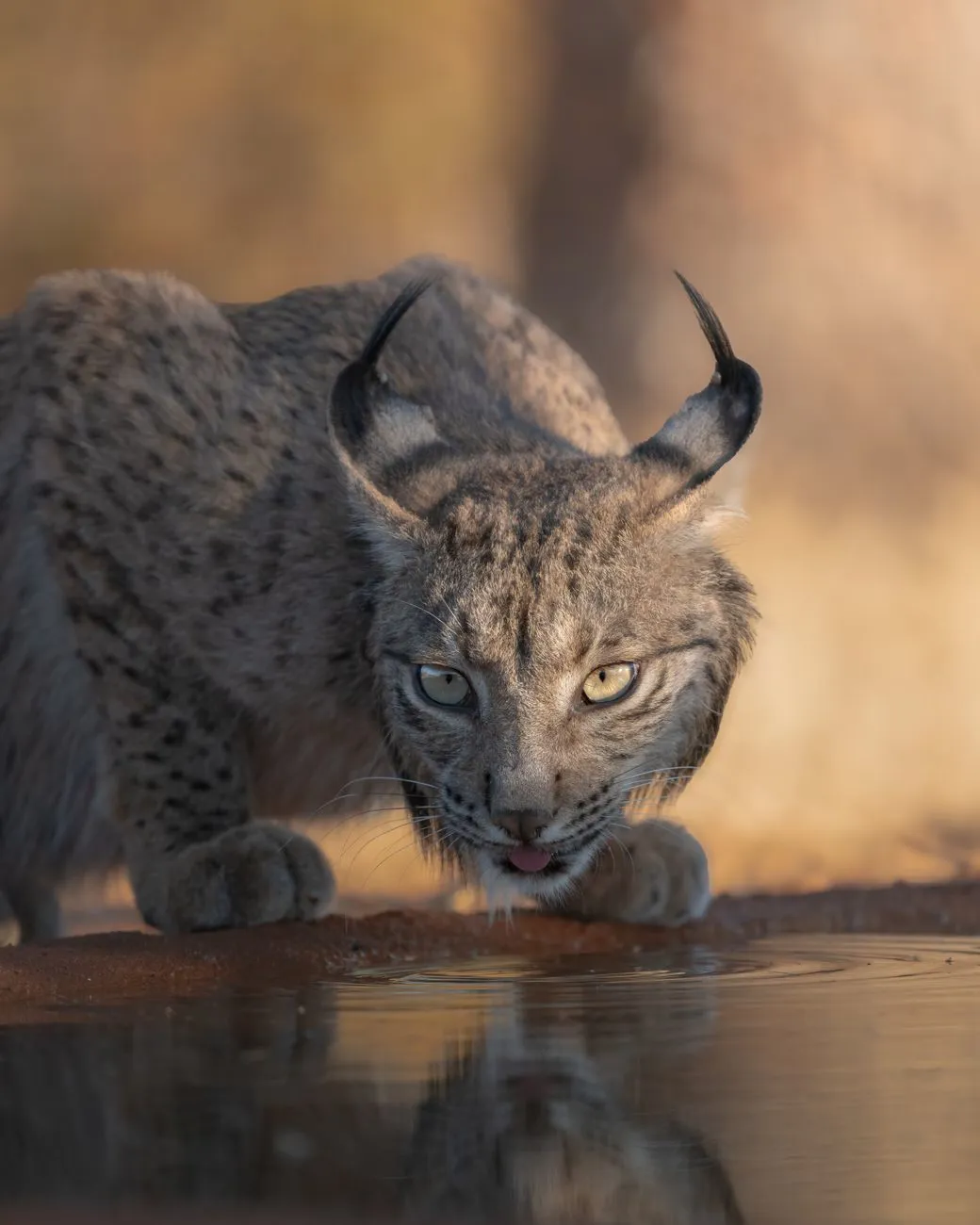
Why Do Iberian Lynxes Dip Rabbits in Water?
Researchers recorded female Iberian lynxes soaking dead rabbits in Spain over five years. The behavior may help with drinking or feeding young cats, but its purpose remains uncertain.