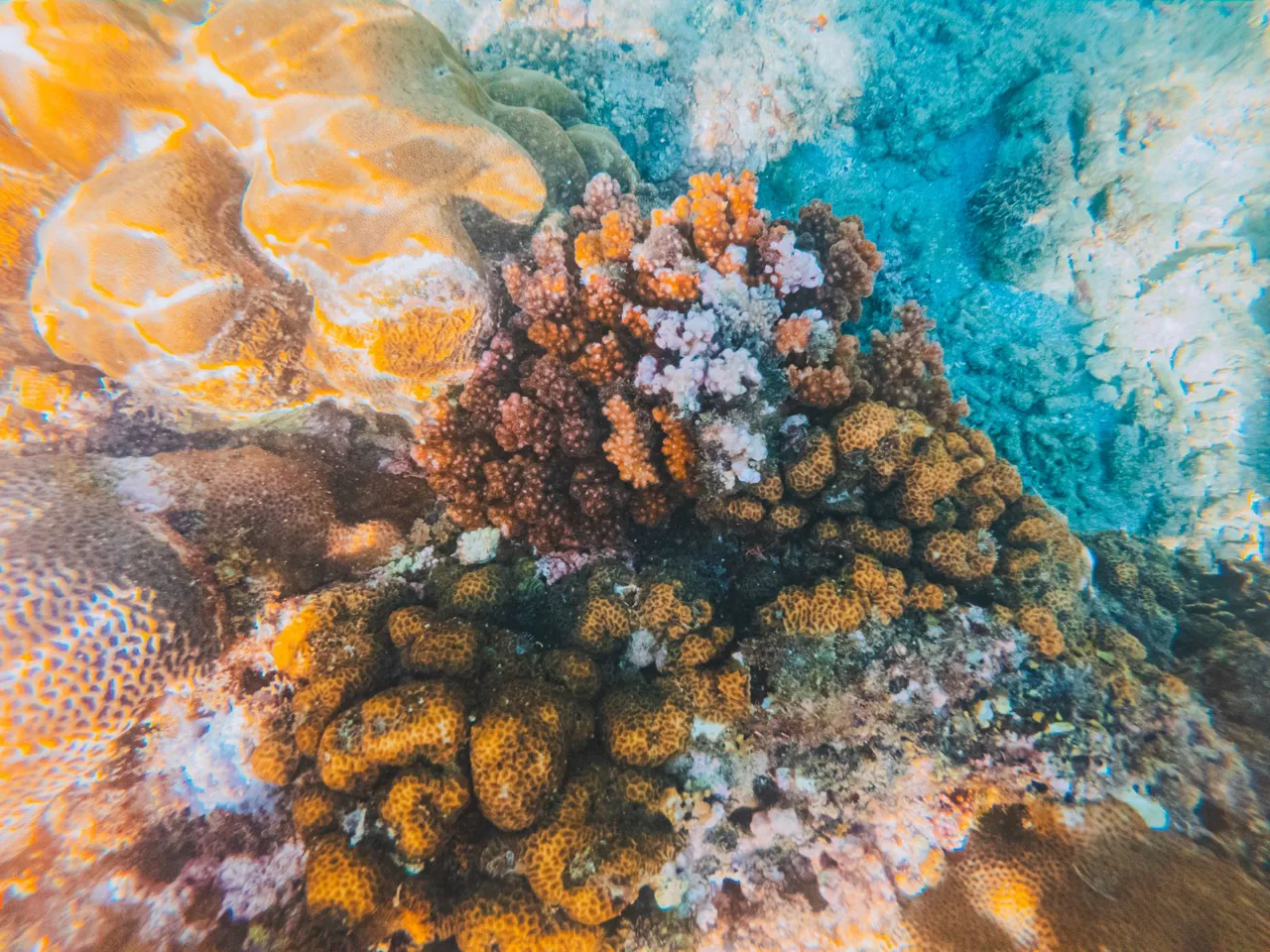
Bleached corals can recover through brief contact with healthy, genetically identical partners, according to Stanford University research published in Science Advances. Bleaching occurs when excessive water temperatures cause corals to expel the microscopic algae that provide much of their energy, leaving them vulnerable to starvation. The experiment followed an accidental observation in 2025, when professor Steve Palumbi noticed color returning where a bleached coral fragment had fallen against a healthy fragment from the same colony.
Lead author Danny Collins arranged ten pairs of healthy and bleached fragments. Five pairs were placed in contact; the others remained a few millimeters apart. Within seven weeks, every bleached fragment in the touching pairs had recovered, while those kept apart died. Microscopic examination revealed that genetically identical partners fused their tissues, forming channels that transferred algae and nutrients. Algae began moving into damaged fragments within three days. After about a week—and sometimes just five days—some fragments had received enough to complete recovery independently. During the second week, algae populations doubled every four days, roughly ten times faster than in wild corals.
Despite these results, the technique is not ready for large-scale reef restoration: requiring a healthy genetic copy of each damaged coral presents a substantial practical obstacle. Researchers plan to investigate alternative ways of delivering beneficial algae. The approach also addresses recovery rather than protection from marine heatwaves. Other restoration strategies under investigation include breeding heat-tolerant corals and cultivating coral nurseries, but the researchers emphasize that reducing heatwaves remains essential.