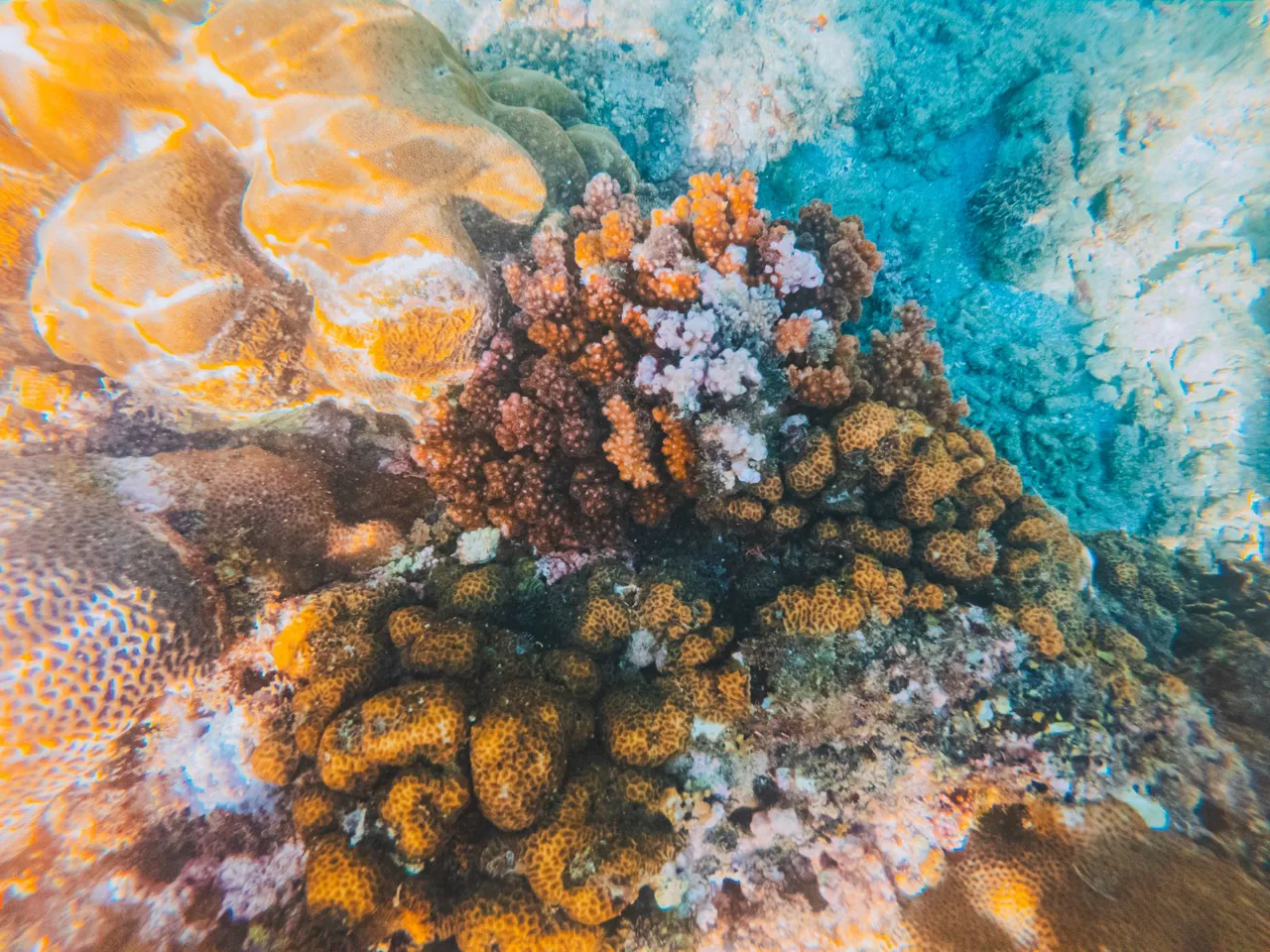
Researchers at Stanford University have helped bleached corals recover by placing them against healthy clones, or genetically identical copies. When seawater gets too hot, corals lose the tiny algae that supply much of their food. This process, called bleaching, leaves them white and at risk of starvation.
The team tested ten pairs of coral pieces, each containing a healthy piece and a bleached piece from the same colony. Five pairs touched, while five stayed a few millimeters apart. All five bleached pieces in contact with healthy partners recovered within seven weeks. Those kept apart died. The touching corals joined together, creating tiny channels through which algae and nutrients could move. Some needed only about a week of contact before they could continue recovering independently.
The findings, published in Science Advances, suggest a possible way to support coral recovery. However, the method is not ready for widespread use in the ocean because it requires healthy, genetically identical partners. Researchers hope to find other ways to deliver helpful algae. They also stress that helping corals recover does not protect them from future ocean heat.