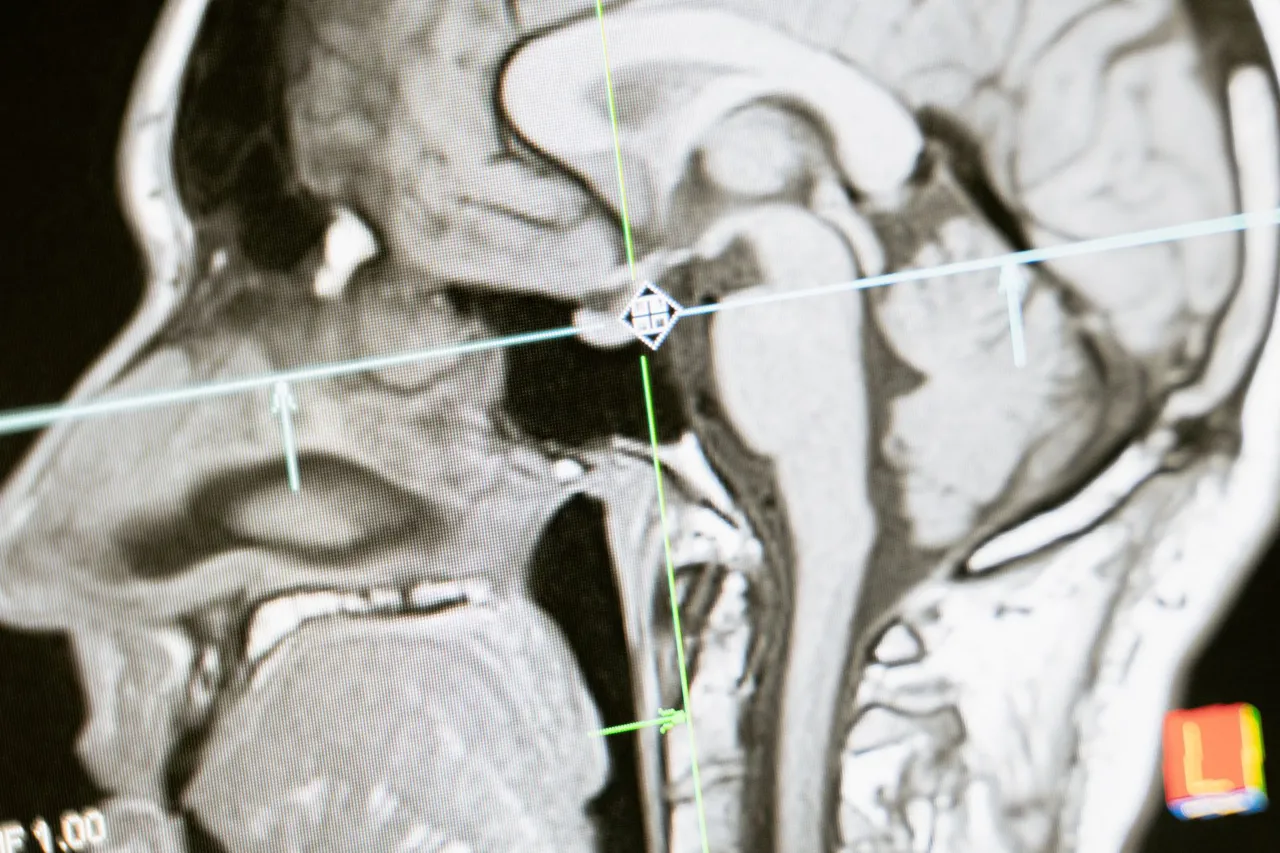
Researchers at MIT, Boston Children’s Hospital, and Inria have developed E(3)-Pose, an AI model that helps track a baby’s head during MRI scans before birth. Doctors may request an MRI when a routine ultrasound suggests a possible brain problem. However, movement during the scan can make the images difficult to interpret.
An MRI scan produces a series of flat images, called slices, which together form a detailed three-dimensional picture. If the baby moves its head, the slices may come from different angles, leaving gaps in the final picture. Doctors could then miss a problem or make an incorrect diagnosis. E(3)-Pose uses the head’s left-right symmetry—the similar shapes of its two sides—to identify its position. This feature is built into the model rather than learned only from examples.
The approach could help doctors obtain clearer images and detect brain problems earlier. The model was trained mainly on fetuses in the third trimester, the final stage of pregnancy. Researchers now want to improve it for earlier stages, when smaller babies have more space to move.