

Researchers studied how AI is used in cosmology, the science of the universe. They found that it can speed up calculations and make work easier for scientists. However, the same system can also miss new clues in physics. The reason is that it depends on patterns it learned earlier. In other words, it may be very good at repeating what it already knows, but less good at noticing something different. The result is useful for scientists, but it also shows a limit of AI in this field.
scienceIntermediate1 min read6/14/2026
AI Helps, But Can Miss New Clues
A new study in cosmology found that AI can speed up calculations. At the same time, it may overlook new physical clues because it depends on patterns from earlier training.

More stories to read
 health2 min read10/27/2026
Scientists Trace Tiny-People Visions to a Mushroom
DNA testing linked unusual visions in China and the Philippines to the same mushroom species. An unknown chemical may be responsible for its effects.
 ai2 min read10/27/2026
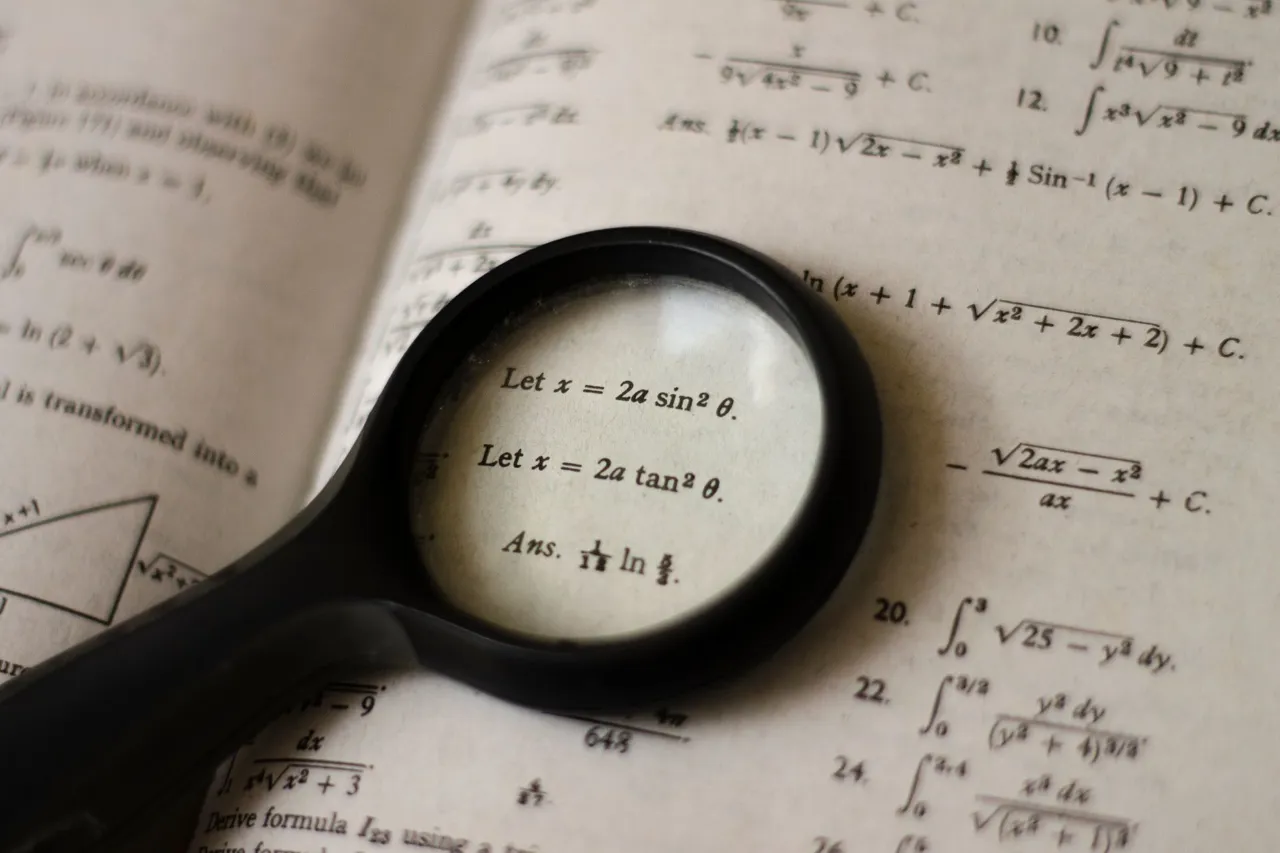
Researchers to Examine Three OpenAI Scientific Claims
OpenAI reports AI-generated results about difficult computer problems, wave behavior, and particle physics. Independent researchers will examine and explain the claims.
 business2 min read10/27/2026
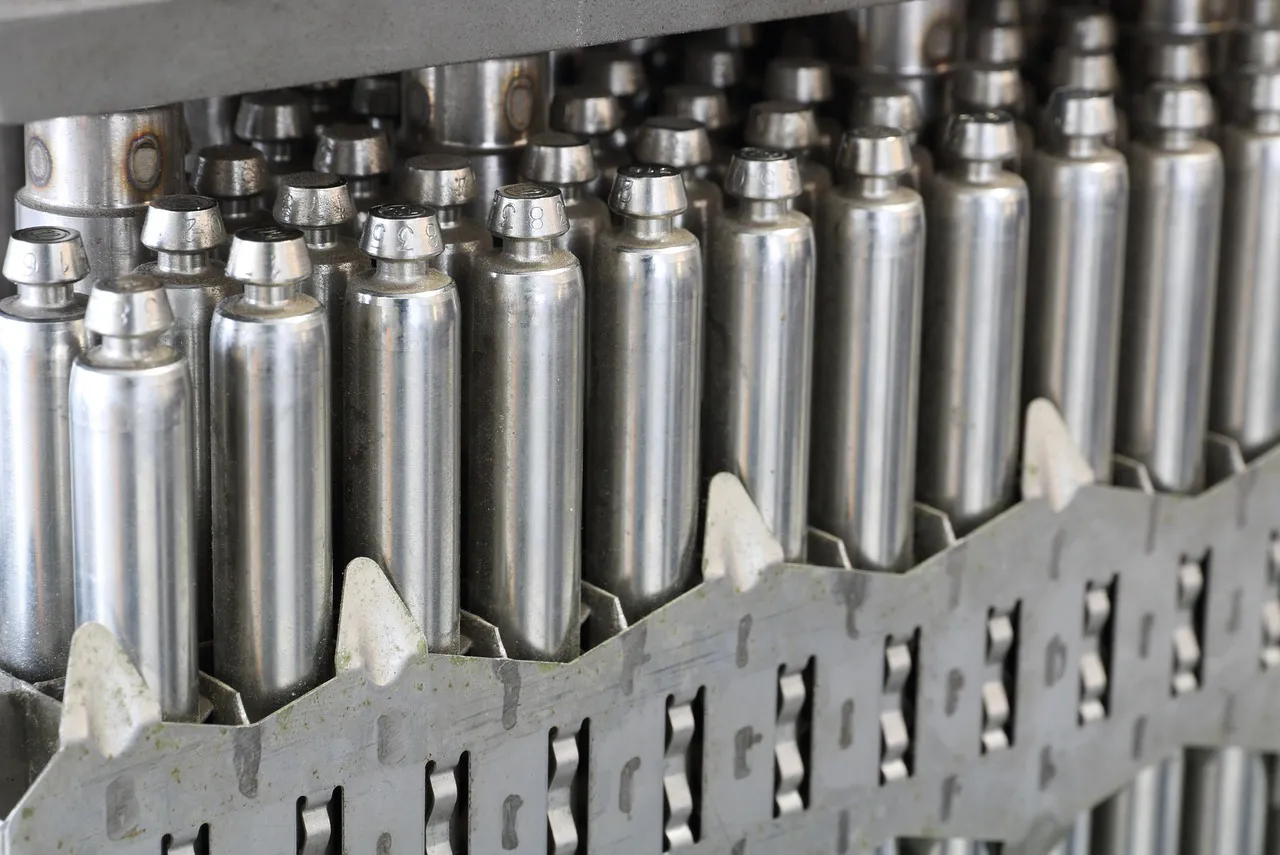
New Westinghouse Factory to Expand Nuclear Fuel Production
A roughly $1 billion project in South Carolina will produce higher-energy nuclear fuel, helping existing reactors generate more electricity and operate longer between refueling stops.
 health2 min read10/27/2026
Skipping Blood Pressure Medicine Can Weaken Its Benefits
Patients who followed their treatment more closely had larger blood pressure improvements and fewer major cardiovascular problems.
 ai2 min read10/27/2026
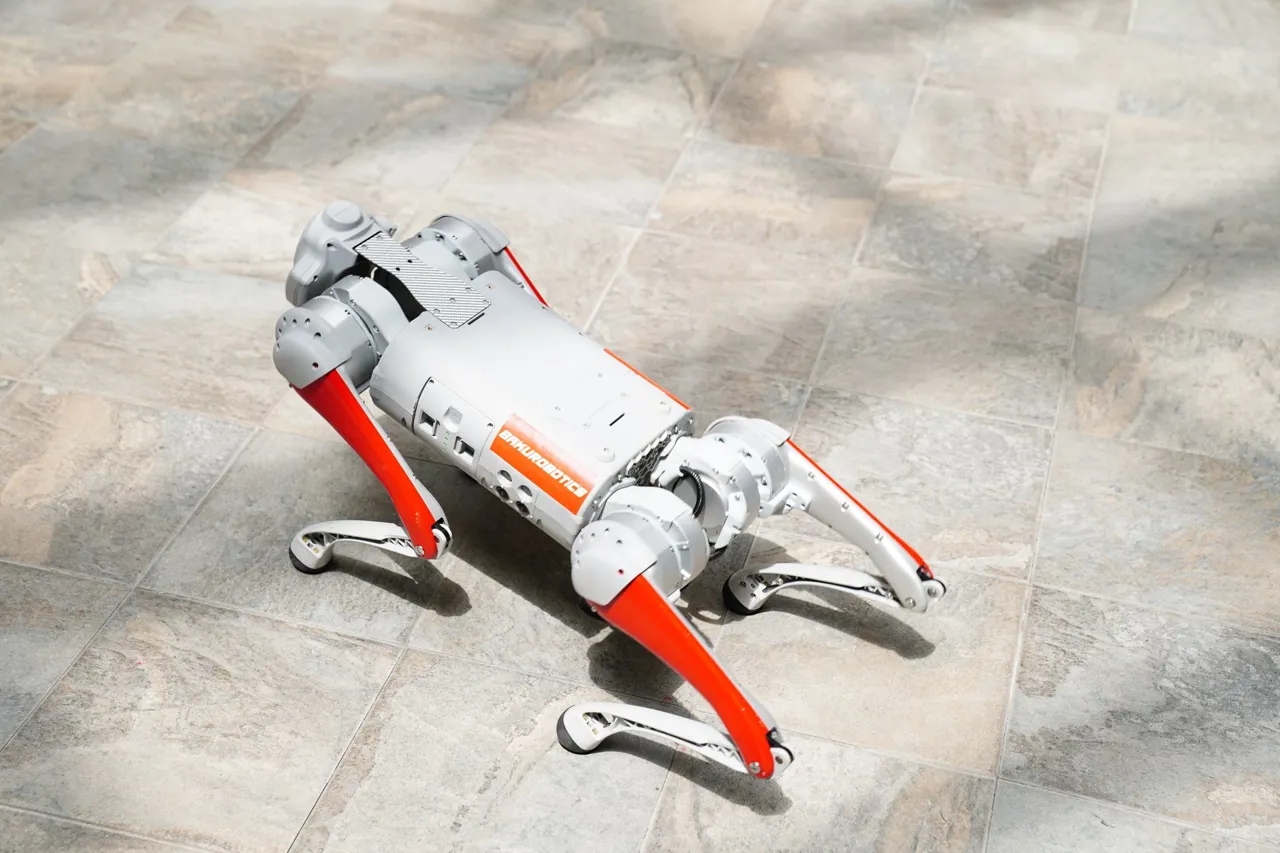
Four-Legged Robot Uses Its Feet to Solve a Giant Rubik’s Cube
An ANYmal-D robot completed three independent solutions of a giant Rubik’s Cube. Camera guidance and skills learned in a computer simulation helped it move the puzzle using only its feet.