

New research in cosmology suggests that AI can significantly speed up calculations, which makes it a useful tool for studying the universe. Cosmology, the field that examines how the universe works, increasingly relies on such systems to handle complex tasks. But the study also points to a clear limitation: because the AI is trained on earlier patterns, it may fail to detect new physical clues that do not fit what it has already learned. That tension helps explain why AI can be both powerful and imperfect. It is fast at finding familiar structure, yet it may be less reliable when science depends on spotting something unexpected.
scienceAdvanced1 min read6/14/2026
AI Speeds Cosmology Calculations, But Has a Blind Spot
New research shows that AI in cosmology can accelerate calculations, yet its reliance on learned patterns may cause it to overlook fresh physical clues.

More stories to read
 health2 min read10/27/2026
Mushroom Study Points to an Unknown Hallucinogenic Compound
Researchers linked highly specific hallucinations in China and the Philippines to Lanmaoa asiatica, a mushroom that may contain an unidentified psychoactive substance.
 ai2 min read10/27/2026
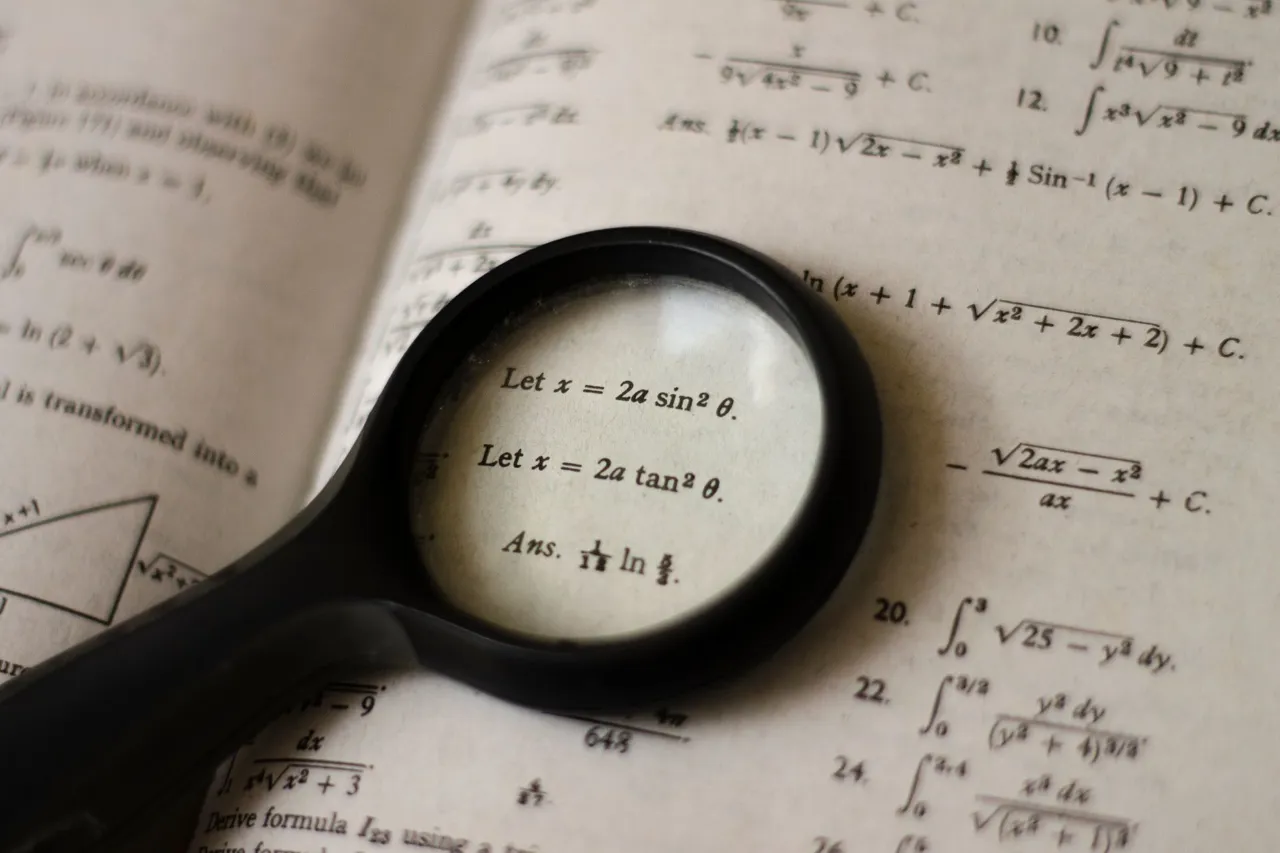
OpenAI Scientific Claims Face Independent Scrutiny Under Different Release Plans
OpenAI reports AI-generated proofs concerning computational complexity, wave behavior, and quantum field theory. Independent examination and differing publication arrangements place verification and academic credit at the center of the announcement.
 business2 min read10/27/2026
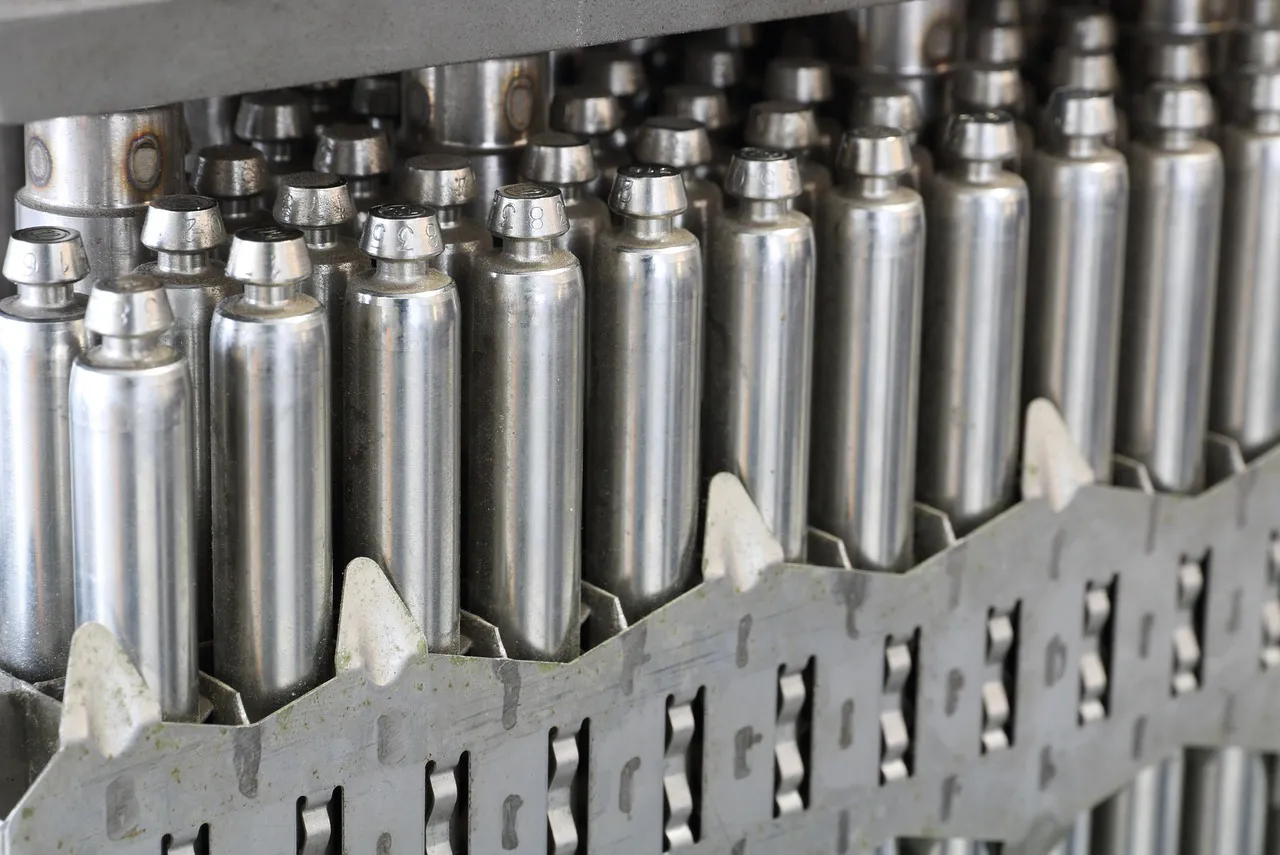
Westinghouse Expands Higher-Enrichment Fuel Manufacturing With $1 Billion Plant
The South Carolina facility will bring LEU+ fuel into wider commercial use, supporting longer reactor operating cycles and increased output. Westinghouse has also advanced high-temperature testing of its eVinci microreactor.
 health2 min read10/27/2026
Inconsistent Blood Pressure Treatment May Undermine Cardiovascular Protection
An analysis of randomized trial data linked stronger medication adherence to greater blood pressure reductions and an 11% decrease in major cardiovascular events.
 ai2 min read10/27/2026
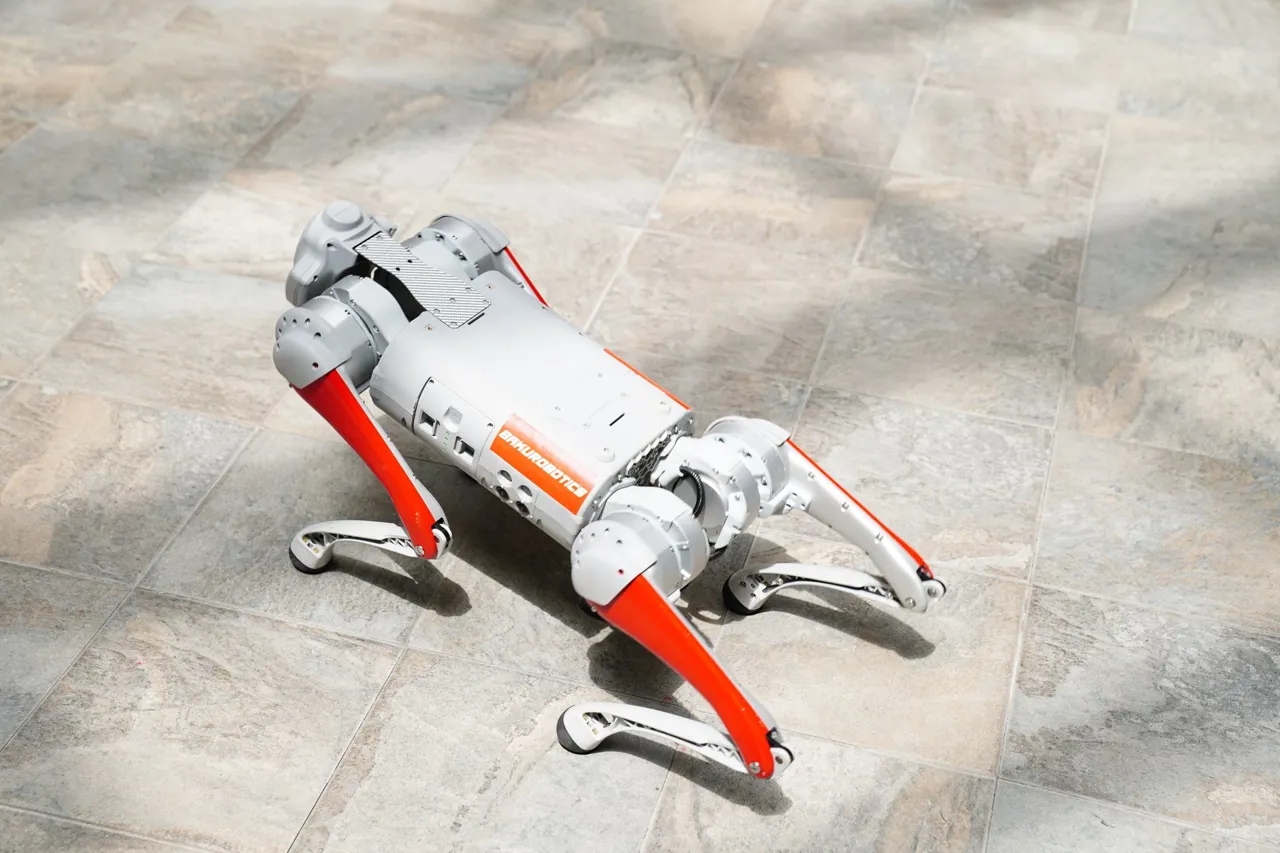
ANYmal-D Solves Giant Rubik’s Cube Through Coordinated Foot Movements
Researchers at ETH Zurich and NVIDIA demonstrated three autonomous Rubik’s Cube solutions on a four-legged robot. The system combines onboard perception, automated planning and movement skills trained through reinforcement learning.