A study at the University of Trento in Italy suggests that people can develop lucid dreaming: knowing they are dreaming while still asleep. People in this state can sometimes influence what happens in their dreams. The study involved 38 university students.
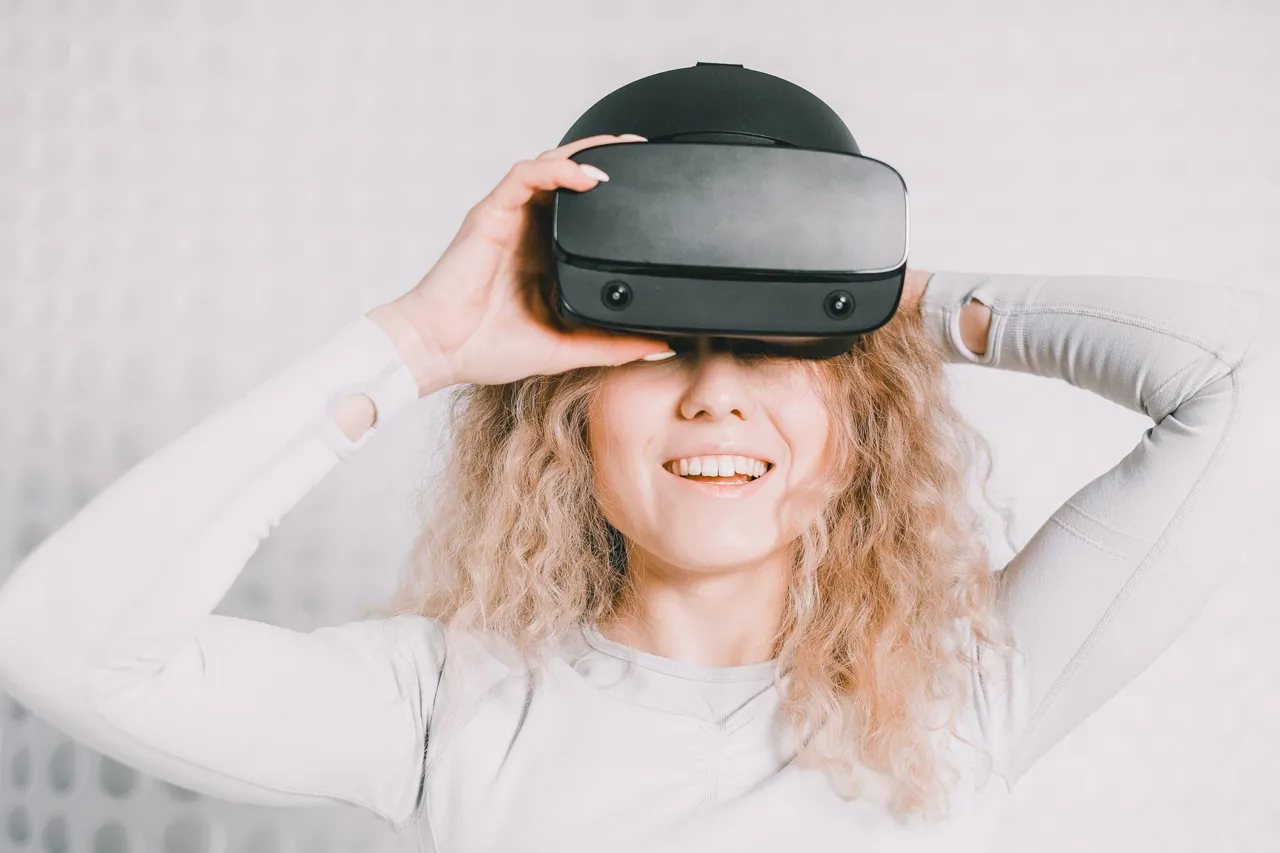
One group trained twice a week for a month. They began with meditation to become more aware of their thoughts, then entered virtual reality scenes containing strange events. Whenever something unusual happened, they performed a reality check, asking themselves whether they were dreaming. At home, students kept morning dream diaries and completed daily questionnaires.
The training group experienced lucid dreams four times as often as a group that practised reality checks without meditation or virtual reality. They also reported lucid dreams more than eight times as often as another group, which practised reality checks in realistic virtual environments. This suggests that simply using virtual reality did not explain the results.
However, the study was small, and neither comparison group meditated. Researchers therefore cannot separate the effects of meditation from those of dream-like virtual reality. They are now testing the approach without meditation. Daniel Morris, a neuroscientist who was not involved, said lucid dreaming could help people turn nightmares into positive dreams.