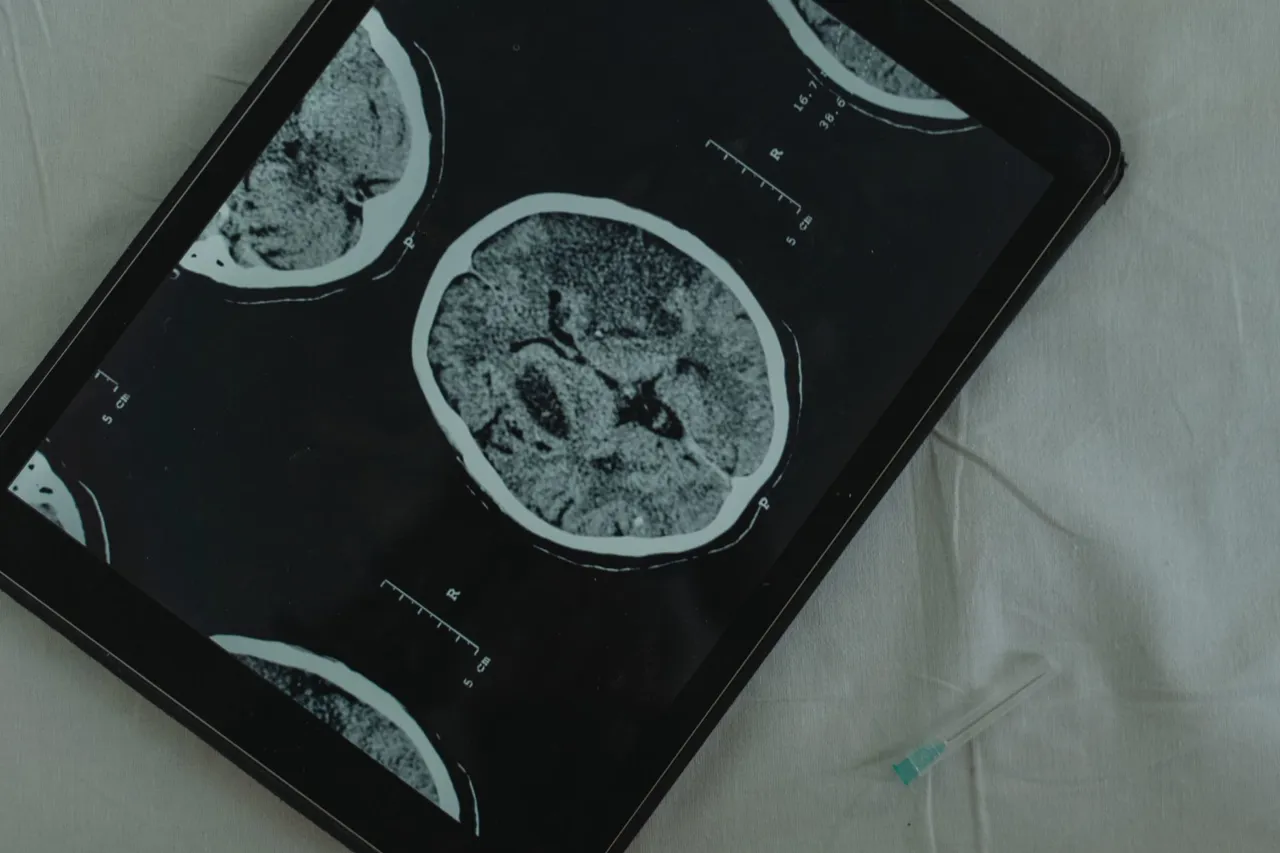
MIT researchers have developed a device called LUCID that could help prevent an aggressive brain cancer, glioblastoma, from returning after surgery. Although surgeons remove as much of the tumour as possible, cancer cells can remain. The researchers hope their device could deliver medicines to kill those remaining cells.
The flexible implant is as thin as a sheet of card. It combines a medicine container and a tiny delivery tube with 24 miniature parts that produce ultrasound, a type of sound wave. These waves help medicines spread further through brain tissue after their release.
The team first tested the device in a gel designed to imitate human tissue. Medicines spread further when ultrasound was used than when it was not. In mice, the researchers delivered a substance that makes MRI scans clearer and found that it also travelled further through the brain with ultrasound.
If developed for patients, LUCID could be placed during surgery and gradually release medicine afterwards. Doctors could adjust the ultrasound wirelessly using Bluetooth, and the small battery could also be charged wirelessly. The researchers suggest that the technology might eventually deliver other treatments, including gene therapies, or be used in organs beyond the brain.