Scientists have identified changes in the immune system up to 10 years before a diagnosis of inflammatory bowel disease. This group of long-term conditions includes Crohn's disease and ulcerative colitis. Both involve an abnormal immune response that causes inflammation and damage in the digestive tract. The findings were presented at UEG Week 2026.
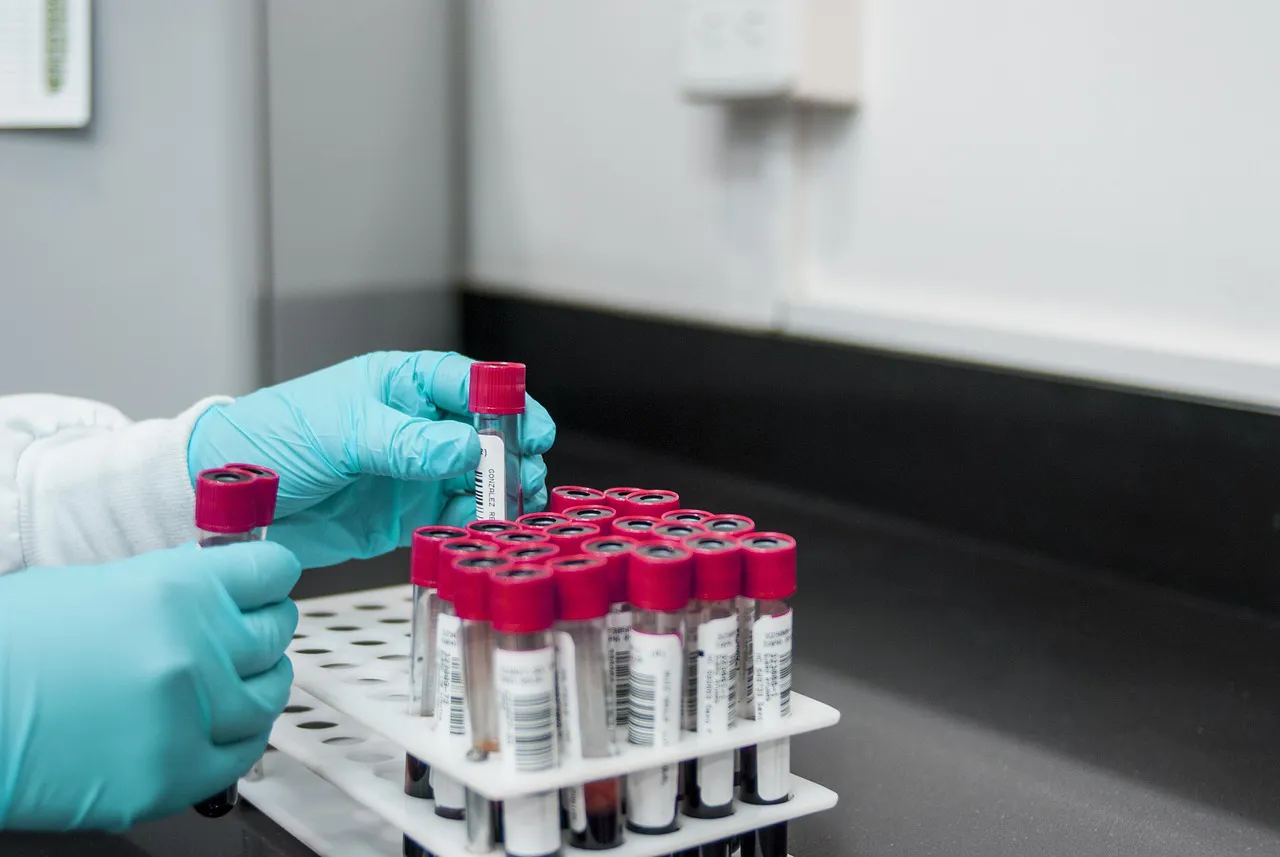
Researchers examined 2,000 blood samples from 500 people: 200 who later developed Crohn's disease, 200 who developed ulcerative colitis and 100 healthy participants. Samples came from the time of diagnosis and approximately two, four and 10 years earlier. The team studied antibodies, proteins that recognise specific targets. People who later developed either disease had a smaller variety of antibodies than healthy participants. Each disease also had its own pattern of immune responses.
Using machine learning, a type of artificial intelligence that finds patterns in data, researchers could distinguish future patients from healthy people. Antibody patterns also helped identify people whose Crohn's disease would become more complicated, around 10 years before diagnosis. Such testing could eventually help doctors assess disease risk and identify patients who might need more intensive treatment. However, it is not ready for routine screening. Further studies must confirm the findings in broader populations and establish whether testing is reliable, affordable and improves patients' health.