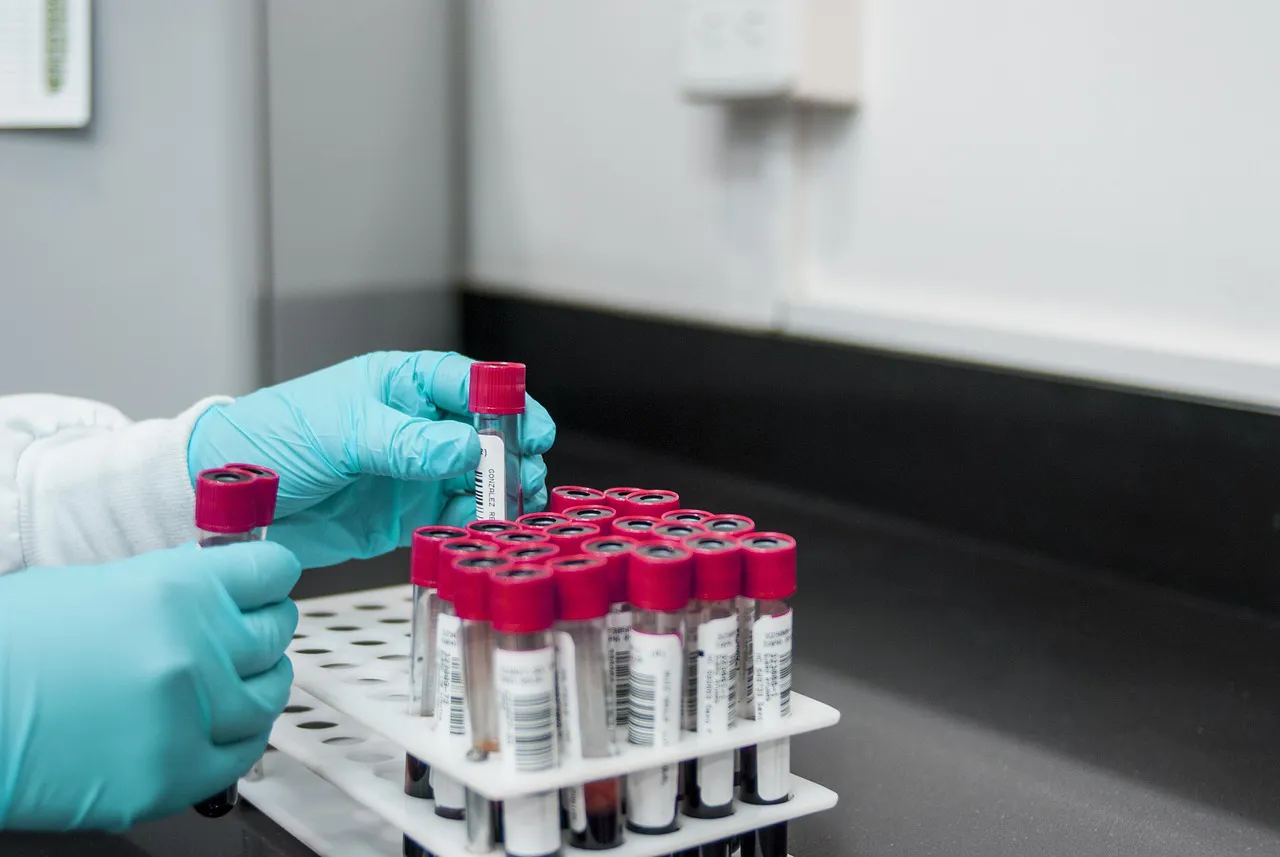
Scientists found early signs of bowel disease in blood. The signs appeared up to 10 years before doctors identified the illness. The study looked at Crohn's disease and ulcerative colitis. Both are long-term illnesses. The body's defence system acts in an unusual way and causes swelling and damage inside the bowel.
The team studied 2,000 blood samples from 500 people. Of these people, 200 later developed Crohn's disease, and 200 developed ulcerative colitis. Another 100 were healthy. The researchers studied antibodies. These are proteins made by the body's defence system to recognise particular targets. People with future bowel disease had fewer different kinds of antibodies than healthy people. The two diseases also showed different patterns.
The team used computer tools to find patterns in the blood results. The tools helped separate people with future bowel disease from healthy people. The patterns also helped show whose Crohn's disease would become more serious. In future, these findings could help doctors find people at risk and decide who might need stronger treatment. But the test is not ready for regular use. Scientists need more research with different groups of people. They must also check whether testing helps patients.