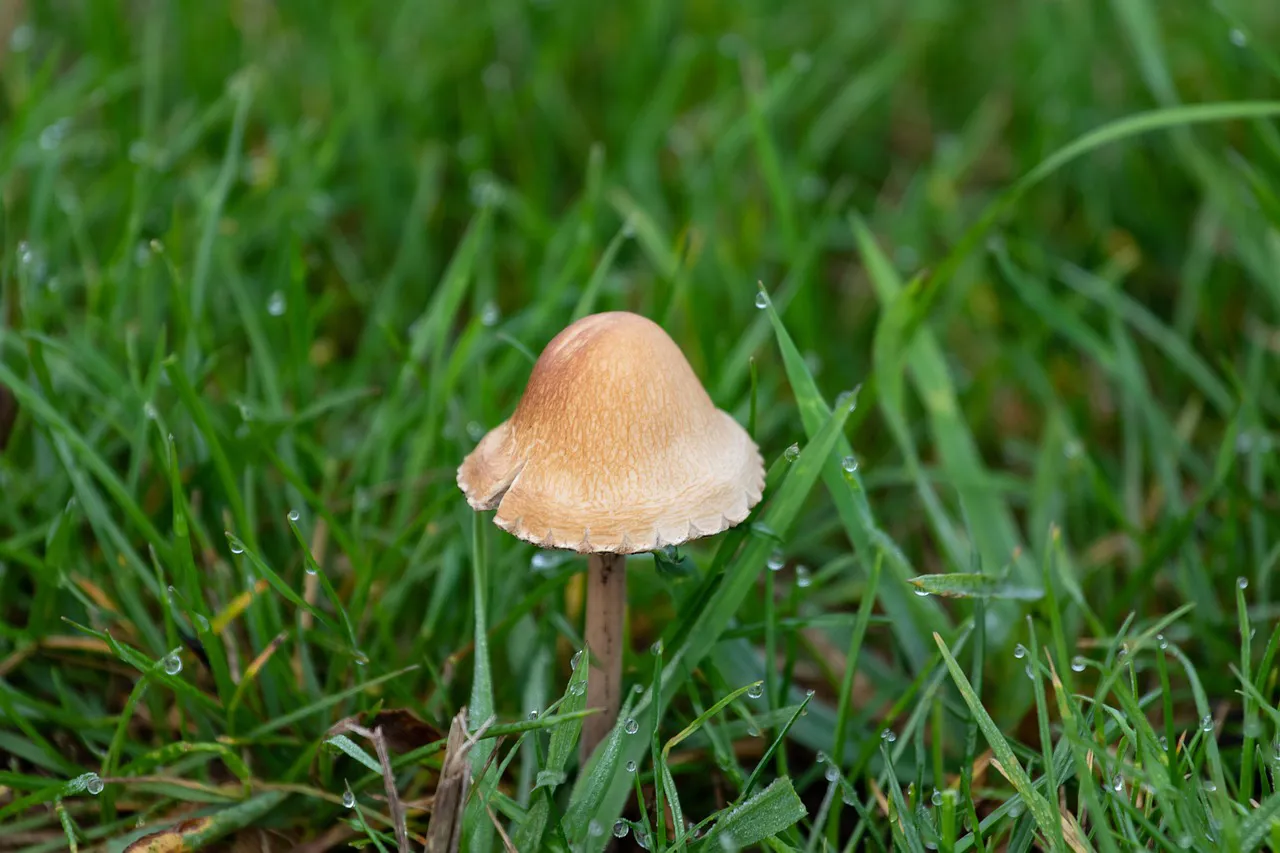
People in south-west China and the northern Philippines have described unusual experiences after eating wild mushrooms. They see dozens or even hundreds of tiny human figures that appear surprisingly real. The figures seem to respond to their surroundings, walking around objects, climbing over surfaces or falling from tables.
Researchers at the University of Utah used DNA testing to identify the mushrooms from both regions as Lanmaoa asiatica. DNA carries biological information that helps scientists tell species apart. Although these mushrooms are part of local food traditions, eating them without thorough cooking can cause these visions, known as hallucinations. Scientists had previously thought the species grew only in China.
Chemical and genetic tests found no evidence of familiar substances that cause mushroom hallucinations, including psilocybin. The team therefore suspects an unknown chemical is responsible. Their next goal is to identify it. Understanding its effects could help researchers explore how the brain processes visual information and why similar hallucinations occur in some medical conditions.
The investigation also examined the mushroom's wider biological group. Researchers analysed 53 samples and identified 17 species, including four that were new to science. Two of the newly recognised species were already stored in collections in the United States. Their differences became clear through DNA analysis, showing how preserved mushrooms can still lead to discoveries.