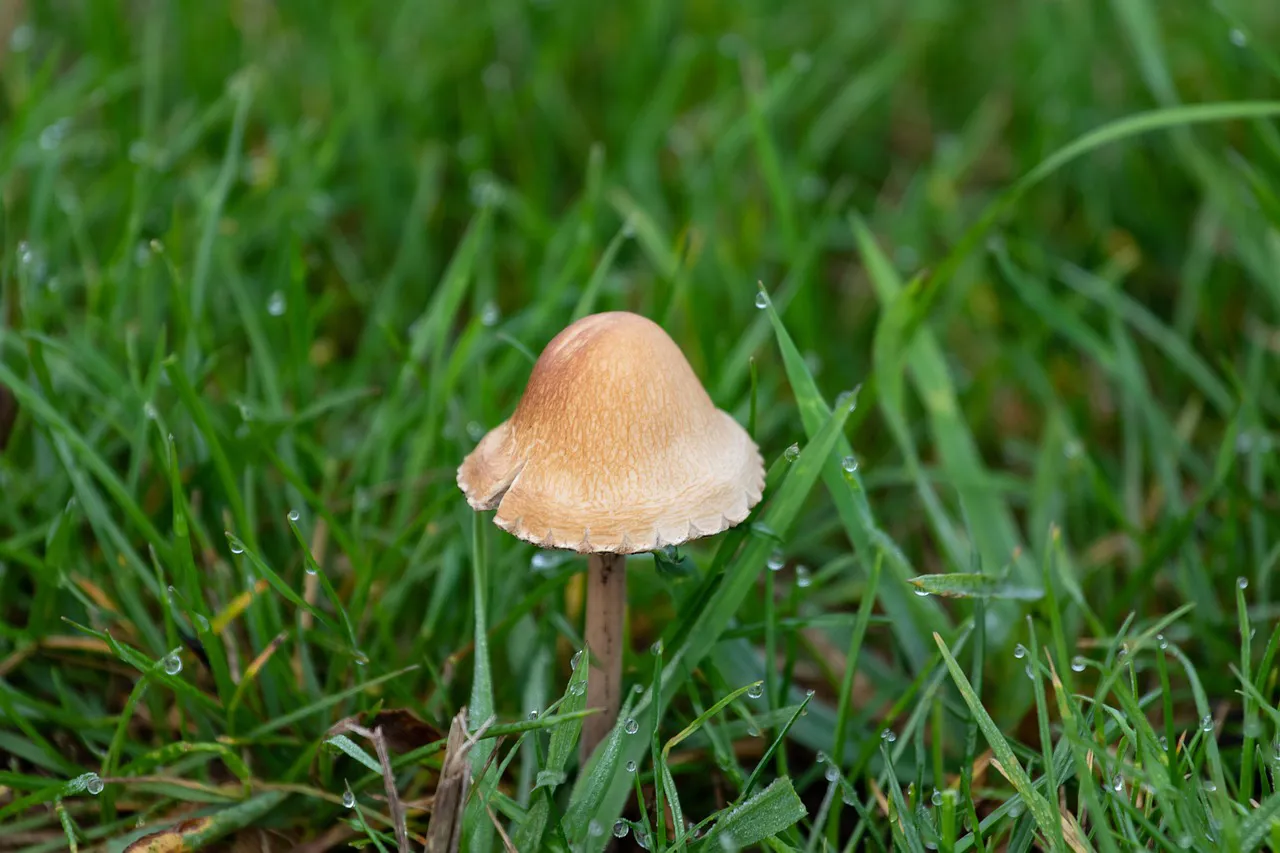
Researchers at the University of Utah have identified Lanmaoa asiatica as the mushroom associated with strikingly similar hallucinations in south-west China and the northern Philippines. People describe dozens or hundreds of miniature human figures that appear solid and interact with their surroundings, navigating obstacles or tumbling from table edges.
Although the mushroom features in local food traditions, consuming it without thorough cooking can trigger these experiences. DNA sequencing established that specimens from both regions belonged to the same species, previously believed to occur only in China. The research was conducted by doctoral student Colin Domnauer and mycologist Bryn Dentinger and published in Mycologia.
The findings revisit a mystery first investigated in Papua New Guinea after Western researchers learnt of comparable visions in 1934. Earlier chemical investigations failed to identify an active ingredient, prompting suggestions that cultural expectations explained the experiences. The Papua New Guinea mushroom remains unverified because unusually dry weather prevented the collection of specimens for genetic comparison.
Chemical testing and genetic analysis detected no known mushroom hallucinogens, including psilocybin. The researchers suspect an unidentified psychoactive compound, which they now aim to isolate. Since similar miniature-human hallucinations occur in conditions including dementia and alcohol withdrawal, identifying the substance could provide a tool for investigating the brain mechanisms underlying visual perception.
The team's broader genomic analysis examined 53 specimens within the Lanmaoa genus, distinguishing 17 species, four previously unknown to science. Two newly identified species had already been preserved in United States collections but remained unrecognised until DNA analysis revealed their distinct identities. The discoveries highlight the continuing research value of preserved fungal specimens.