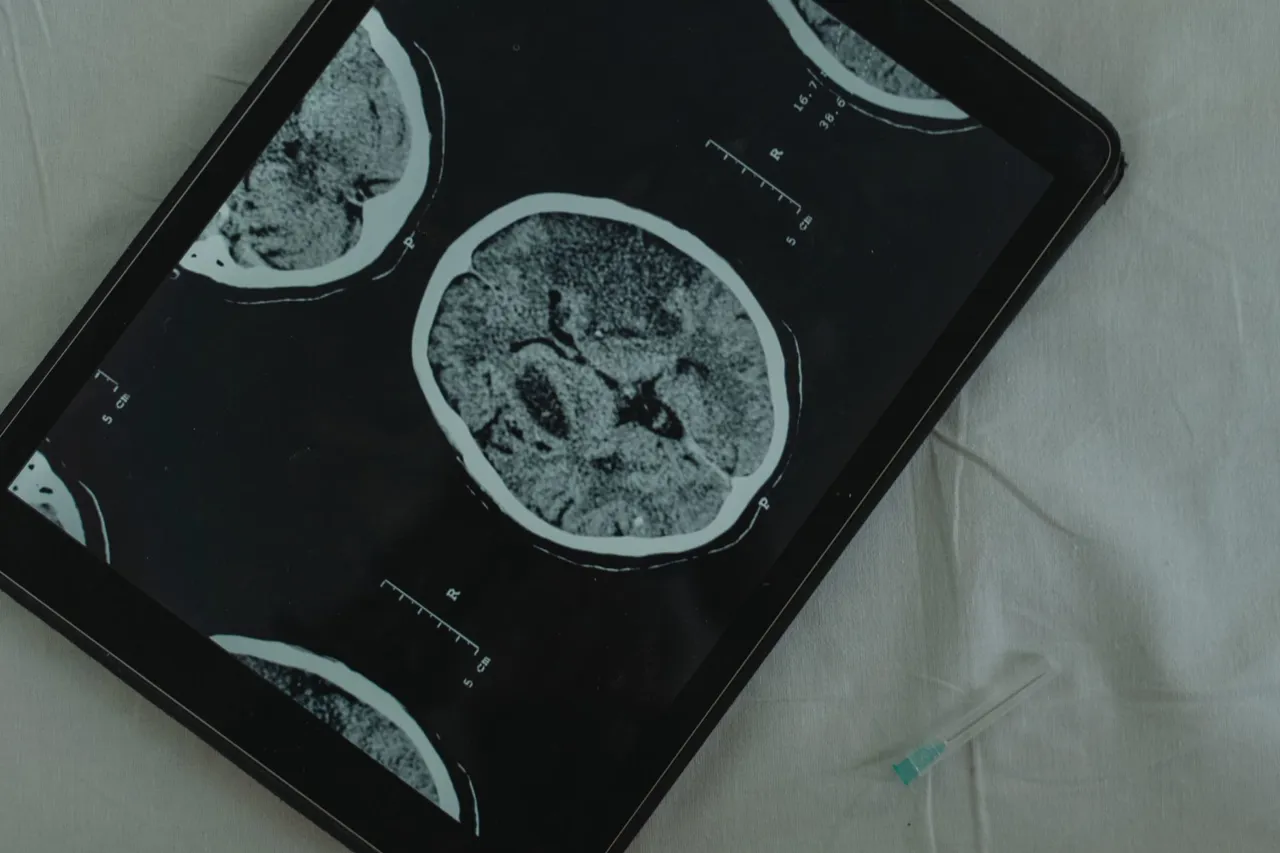
MIT researchers have developed LUCID, an implant intended to improve drug distribution through brain tissue and potentially prevent glioblastoma recurring after surgery. This aggressive cancer often returns because surgeons cannot easily remove every malignant cell. Treatment typically involves surgery followed by radiotherapy and chemotherapy.
As thin as a sheet of card, the flexible device combines a drug-delivery cannula with an array of 24 miniature ultrasound transducers. The cannula is 3D-printed directly onto the array, which generates sound waves at its tip. A reservoir holds approximately 100 microlitres of fluid, supplied through a passive osmotic pump.
Ultrasound creates flows that carry drug molecules further and can temporarily increase the permeability of the blood-brain barrier. In experiments using a gel engineered to mimic human tissue, ultrasound-assisted delivery produced wider drug distribution than delivery without ultrasound. Tests in mice likewise showed that an MRI contrast agent spread further through the brain when the ultrasound array was activated.
If developed for patients, the implant could be inserted during tumour surgery to release drugs gradually against residual cancer cells. Its ultrasound settings can be programmed wirelessly through Bluetooth, while a small battery supports wireless recharging. The researchers envisage placing the cannula and transducer array inside the skull, with the battery and electronics outside it.
The study, published in Device, builds on earlier work by Canan Dagdeviren's laboratory, including a hair-thin delivery cannula and the ImPULS brain-stimulation implant. Beyond conventional drugs, LUCID could potentially deliver immunotherapies or gene therapies. The team also sees possible applications in other organs.