A clinical trial led by the University of Michigan has found that a liquid treatment can stop tooth decay in young children. The study included 830 children under six. When dentists applied silver diamine fluoride, or SDF, every six months, decay stopped progressing in more than half of the affected baby teeth.
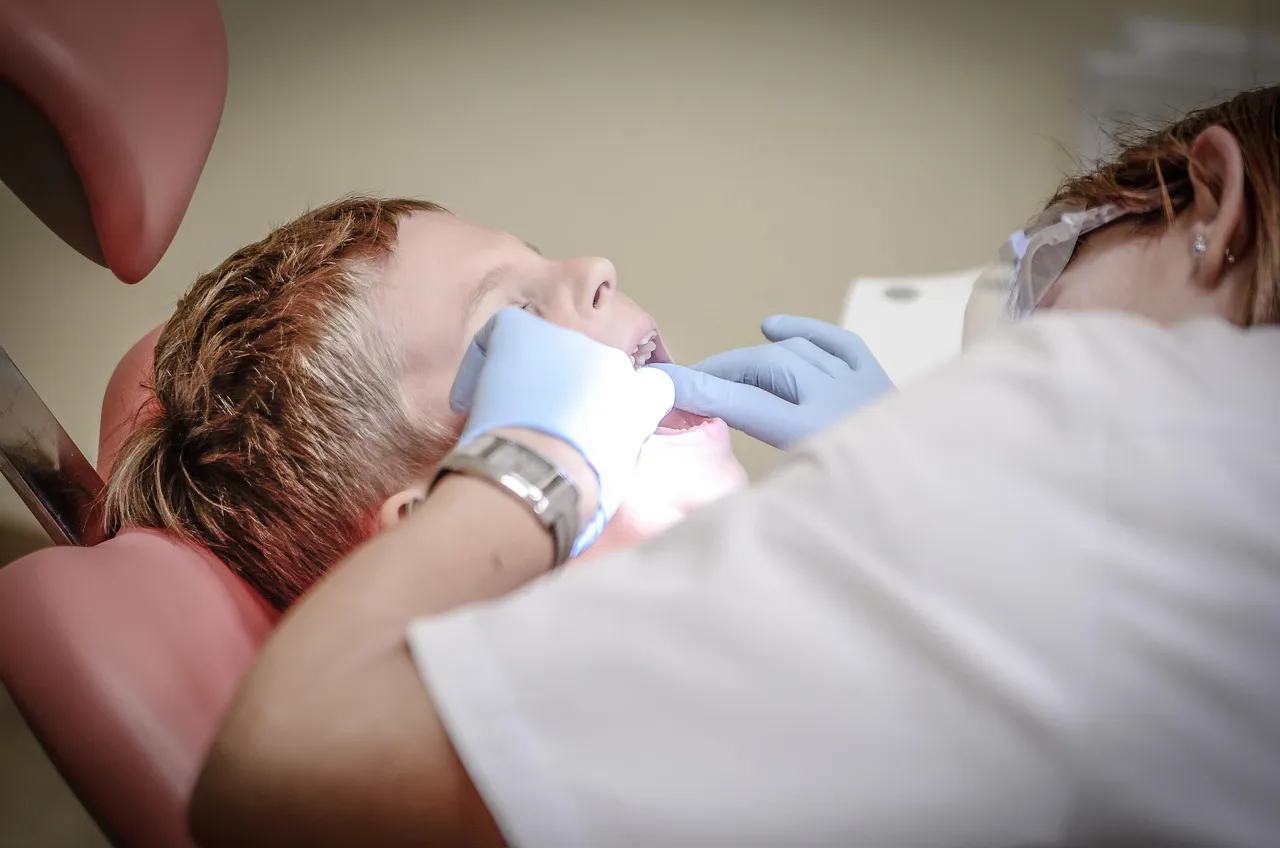
The treatment takes only seconds per tooth. A dentist paints the liquid onto the damaged area with a tiny sponge, without drilling, injections or medicine to make the child sleepy. This approach may help children who find ordinary dental treatment difficult and could prevent pain or more complicated treatment.
However, SDF permanently darkens the decayed part of a tooth. It also does not replace tooth material that has already been lost. The treatment is not suitable for every cavity, and stopping decay does not always remove the need for future dental work.
Dentists have used SDF in many countries for decades. The US Food and Drug Administration approved it for tooth sensitivity in 2014, but dentists also use it for decay beyond that approved purpose. Published in JAMA Pediatrics, the trial provides evidence that the manufacturer can use to seek approval specifically for treating decay. Researchers believe broader acceptance could make the treatment available to more patients.