A Phase III clinical trial led by the University of Michigan has strengthened evidence for treating childhood tooth decay with silver diamine fluoride, or SDF. Published in JAMA Pediatrics, the study enrolled 830 children under six through dental clinics, paediatric practices and early childhood programmes in Michigan, New York and Iowa.
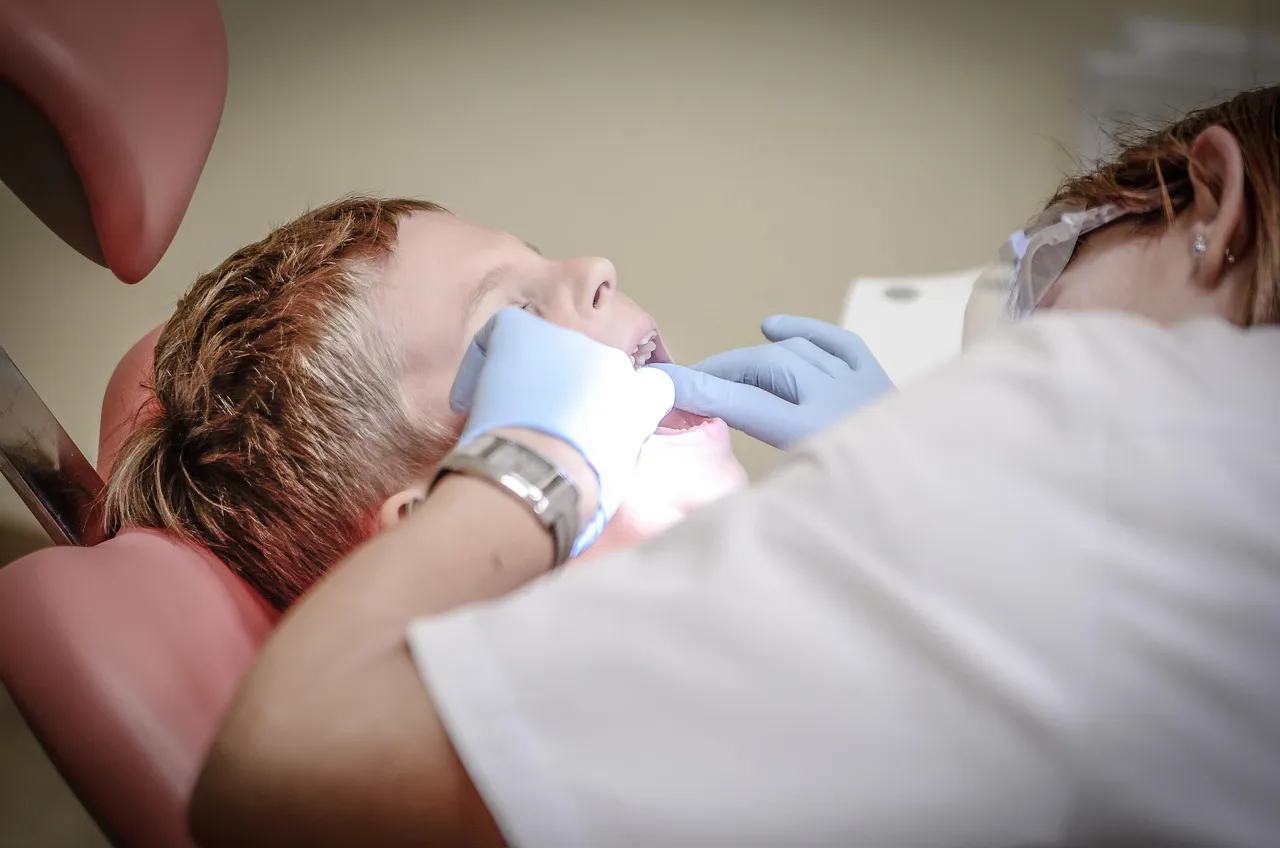
Researchers found that a 38% SDF solution arrested decay in more than half of affected baby teeth when applied at six-month intervals. Painted directly onto a cavity using a small sponge-tipped applicator, the inexpensive liquid takes seconds per tooth and requires neither drilling nor injections or sedation. Silver combats bacteria associated with decay, while fluoride strengthens the teeth’s mineral structure.
The principal drawback is permanent darkening of the decayed area, which may be particularly noticeable on front teeth. Unlike a filling, SDF does not replace lost tooth structure. It is unsuitable for some cavities, and successful treatment does not necessarily eliminate the need for subsequent dental work.
Although dentists internationally have used SDF for decades, its US authorisation remains narrower. The Food and Drug Administration approved it as a medical device for tooth sensitivity in 2014; its use to arrest decay is therefore off-label, meaning outside the approved indication. The trial provides evidence that the manufacturer can submit when seeking approval specifically for that purpose.
Lead investigator Margherita Fontana said the approach could also benefit older adults, people with disabilities and patients with severe dental anxiety or limited access to conventional care. For some children, repeat applications may control decay until the baby tooth falls out naturally. Wider acceptance could enable earlier treatment in paediatric medical settings, potentially preventing pain, infection and surgery.