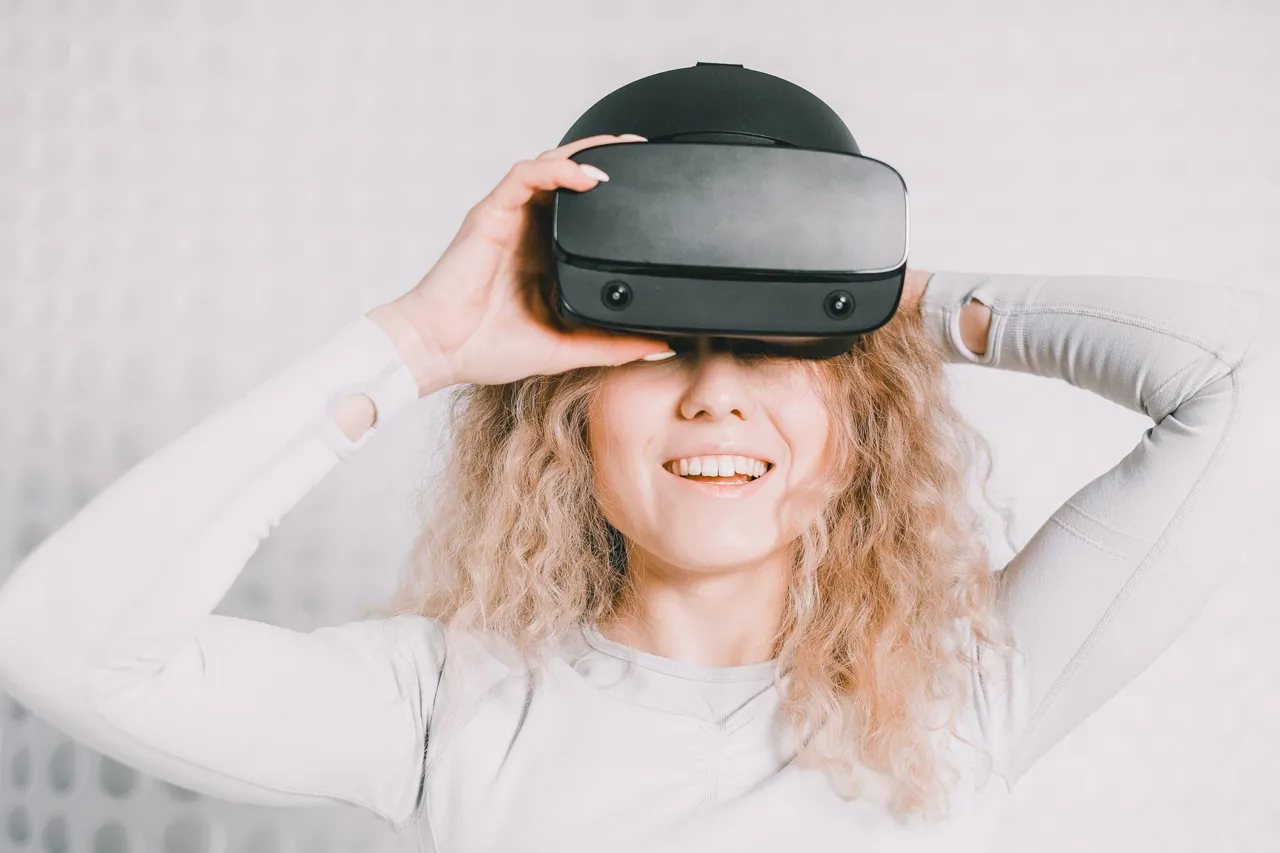
Training with dream-like virtual reality simulations may help people develop lucid dreaming, a state in which sleepers recognise that they are dreaming and can sometimes influence the dream. A University of Trento study involving 38 university students tested an approach combining meditation with virtual reality sessions twice weekly for one month.
Participants in the training group first meditated to increase awareness of their thoughts, then encountered virtual environments featuring physically impossible events or abrupt scene changes. These prompted reality checks: deliberately questioning whether they were dreaming. Students subsequently recorded their dreams each morning and completed daily questionnaires about dream recall and lucidity.
The training group experienced lucid dreams four times as often as participants who performed reality checks without meditation or virtual reality. They also reported them more than eight times as often as a comparison group using realistic virtual environments. According to the researchers, this comparison indicated that exposure to virtual reality alone did not account for the findings.
Despite reporting the most lucid dreams, the dream-like simulation group recalled the fewest dreams overall during the experiment. Daniel Morris, a Northwestern University neuroscientist uninvolved in the research, suggested that these participants might have been less motivated to report ordinary dreams, potentially introducing reporting bias.
The small sample and the absence of meditation in both comparison groups limit conclusions about which component contributed most. A follow-up study is testing the intervention without meditation. Morris also highlighted a possible benefit for people experiencing nightmares: recognising a dream could allow them to transform it into a positive experience. Co-author Andrea Signorelli would like future training to feature personalised simulations of recurring nightmares.