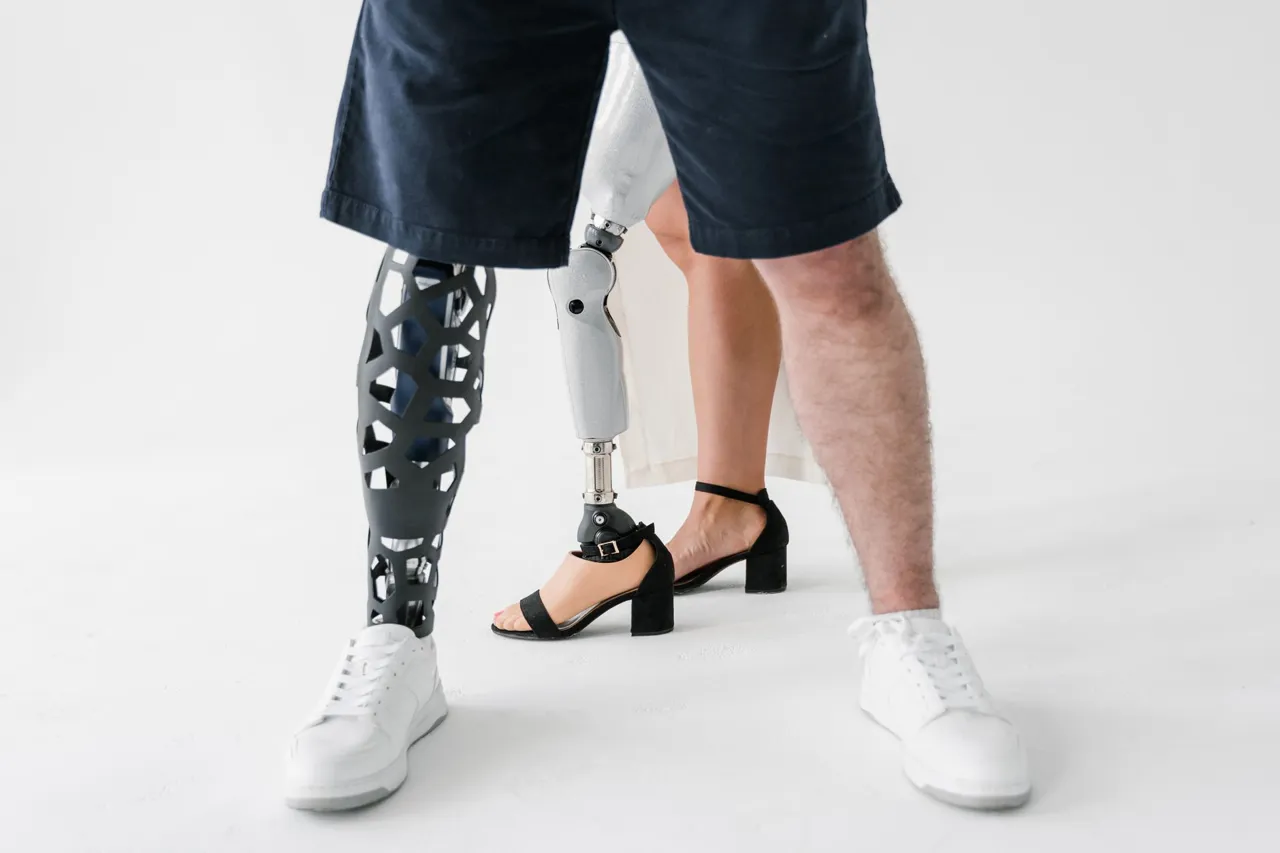
Researchers at MIT have demonstrated a magnetic muscle-tracking interface that could enable more natural control of robotic prosthetic limbs. Published in Nature Sensors, the study tested three participants with below-knee amputations and suggests that magnetic measurements can support more accurate, stable control than conventional electrical interfaces.
The technique, known as magnetomicrometry, tracks pairs of magnetic beads implanted in muscles associated with ankle movement. External sensors measure changes in the distance between the beads, allowing muscle length and velocity to be calculated. Each bead measures three millimetres across, and its signal can be detected through tissue at depths of up to six centimetres.
All participants had undergone an agonist-antagonist myoneural interface procedure, which reconnects opposing muscle groups within the residual limb. This preserves proprioceptive feedback: the sense of limb position and movement. Participants received magnets in up to four muscles, with electrodes implanted in the same muscles to enable comparisons with both implanted and skin-surface electrical measurements.
Conventional electromyography measures electrical activation rather than muscle mechanics directly. Its signals can fade when a muscle remains at a fixed length, while sweat and activity from neighbouring muscles can interfere with skin electrodes. In the experiments, participants used muscle movements to direct a screen cursor towards targets; they neither wore nor walked with a magnetically controlled prosthesis.
The work extends a technique demonstrated in animals in 2021 to humans with long-term magnetic implants. Researchers are now conducting a larger study assessing actual prosthetic control. Further testing is needed to establish safety, durability and performance in everyday activities.