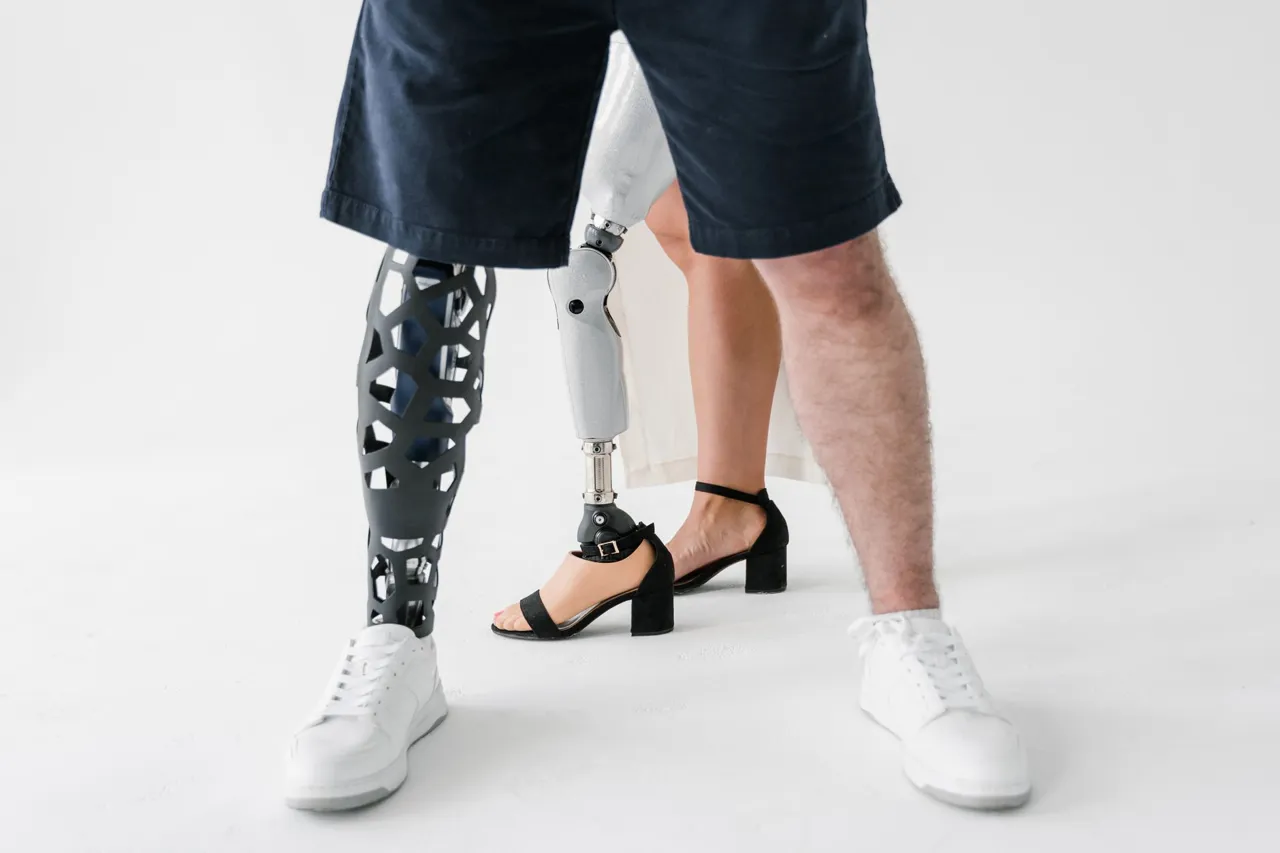
MIT researchers have tested a magnetic system that could help people control artificial limbs more naturally. The study, published in Nature Sensors, involved three people with below-knee amputations. It suggests that tracking muscle movement directly could provide more accurate and stable control.
The technique, called magnetomicrometry, uses pairs of magnets implanted in muscles involved in ankle movement. Each magnet is three millimetres across. Sensors on the skin track changes in the distance between them, allowing the system to calculate muscle length and movement speed.
All three participants had previously undergone surgery that reconnects opposing muscle groups in the remaining part of the leg. This helps preserve their sense of limb position and movement. Researchers compared the magnetic system with electrodes, devices that measure electrical activity, placed both inside muscles and on the skin. Skin measurements can become unreliable because of sweat or signals from nearby muscles, while electrical activity does not directly reveal muscle movement.
During the experiments, participants used muscle movements to guide a cursor towards a target on a screen. They did not wear or walk with a magnetically controlled artificial limb. The results suggest that magnetic tracking could improve control, and the researchers are now conducting a larger study using artificial limbs.