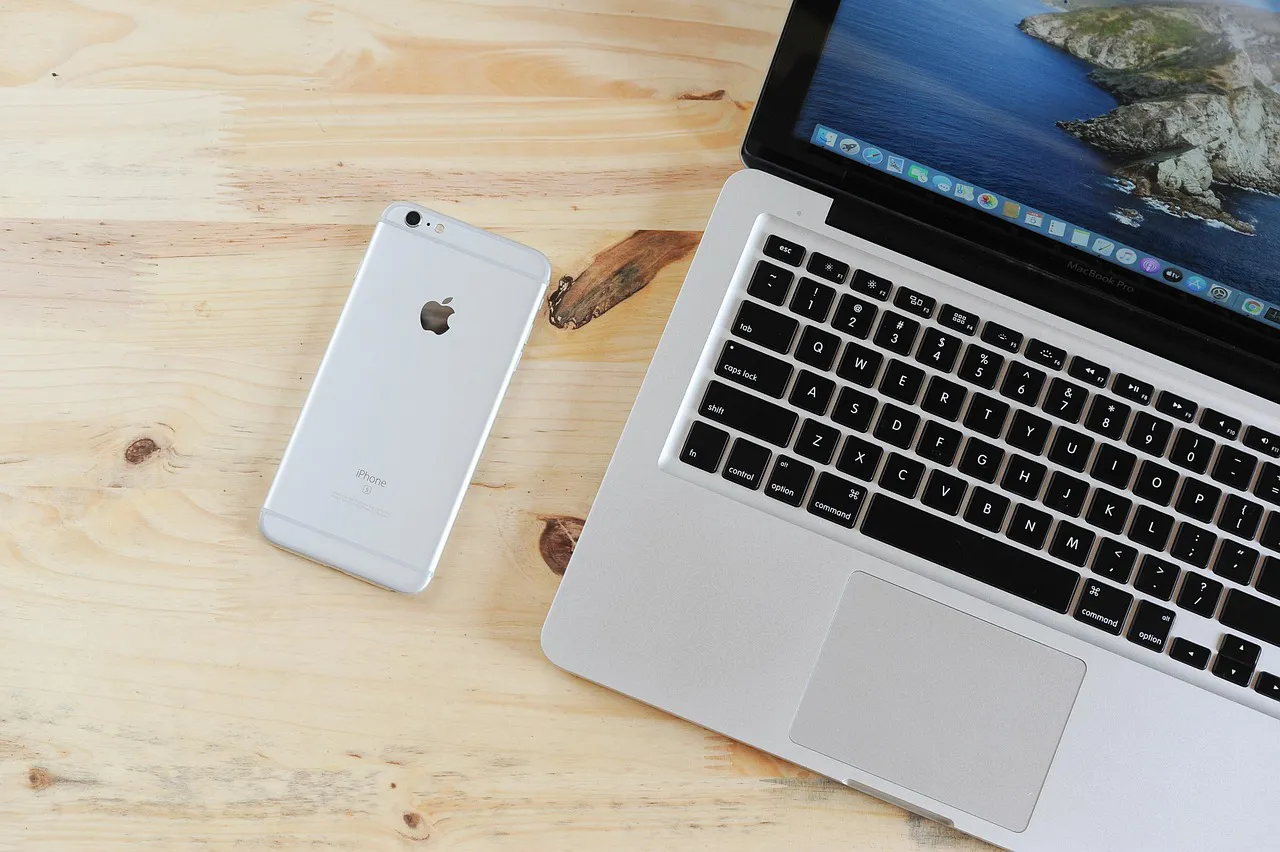
Apple launched the first MacBook and MacBook Pro in 2006, as it moved from PowerPC processors to Intel chips. Using the same chips as competing PCs put Apple in more direct competition with them. The MacBook Pro also offered a slimmer version of the earlier PowerBook G4's aluminium design.
In 2008, MacBook Pro and MacBook Air models introduced bodies made from a single block of aluminium. These strong, light designs influenced rival manufacturers, while the Air encouraged the development of very portable laptops. Another important change followed in 2012, when the MacBook Pro gained a Retina display. Its sharper image encouraged competitors to improve their own screens.
The 2016 MacBook Pro introduced the Touch Bar and became thinner and lighter, but it lost several useful connections. These included its SD memory card reader and HDMI connection for an external screen. Some competing manufacturers also reduced their connections, although others later offered more options in response to customer criticism.
Apple's own M1 chip arrived in 2020, bringing faster performance and much longer battery life. In 2021, redesigned MacBook Pro models restored the SD card reader and HDMI connection. Microsoft later worked with Qualcomm on Copilot+ laptops, aiming to compete with Apple's performance and battery life.