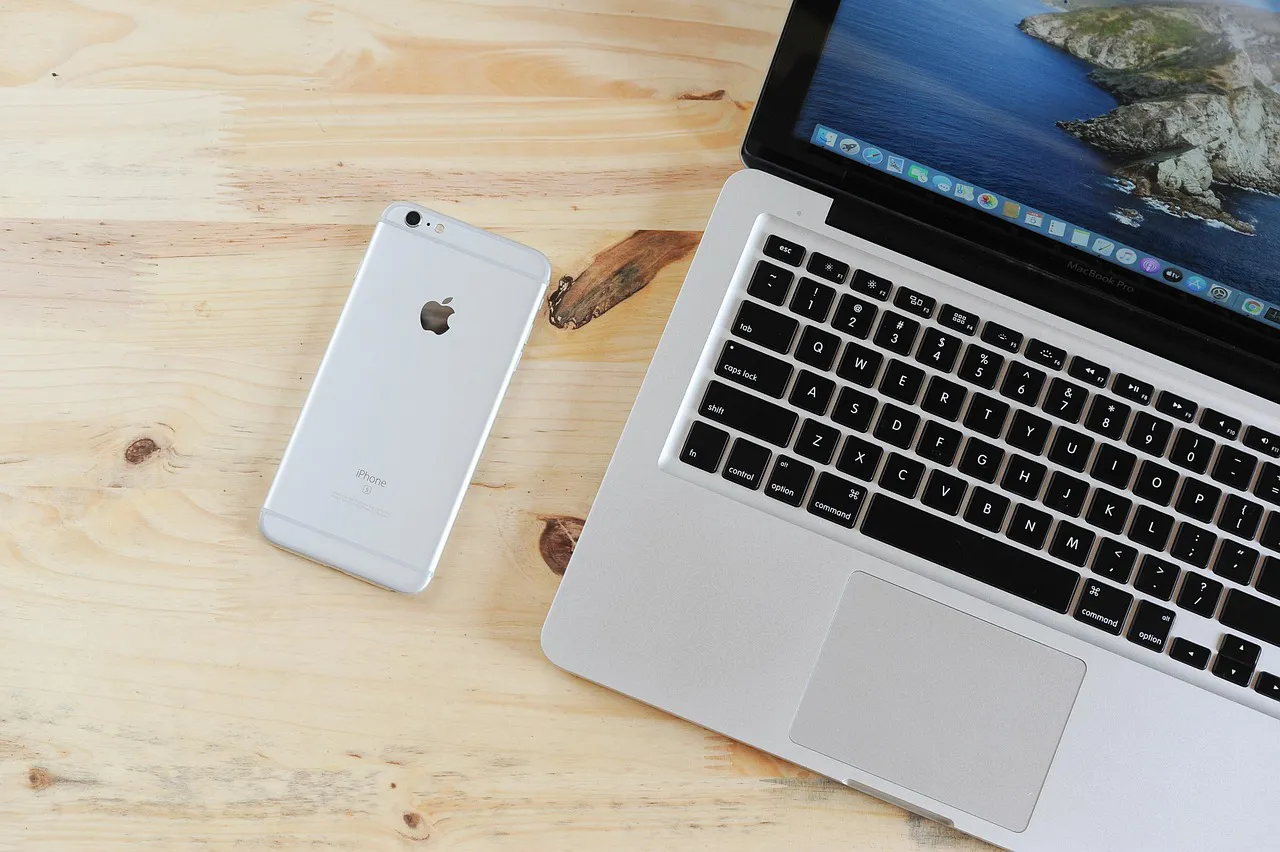
The arrival of the MacBook and MacBook Pro in 2006 marked Apple's transition from PowerPC processors to Intel chips. Sharing Intel Core Duo technology with rival PCs placed Apple in more direct competition with them, while the MacBook Pro refined the PowerBook G4's aluminium design into a slimmer form.
In 2008, MacBook Pro and MacBook Air models adopted unibody cases, manufactured from single blocks of aluminium. Their strength and low weight influenced competitors, although Apple's control of the metal chassis supply chain initially made imitation difficult. Razer approached the design with its 2011 Blade, while the Air helped stimulate the market for ultraportable laptops.
Display quality became another competitive focus after Apple introduced the Retina MacBook Pro in 2012. Its resolution made individual pixels indistinguishable, encouraging PC manufacturers to pursue sharper screens. However, Dell led the move towards narrow screen borders, an area in which Apple took considerably longer to advance.
The 2016 MacBook Pro introduced the divisive Touch Bar, prioritising a thinner, lighter body while eliminating connections including HDMI and the SD card reader. Several PC manufacturers similarly reduced their ports, whereas others subsequently restored more connection options in response to criticism. Apple itself reinstated HDMI and the card reader on redesigned MacBook Pro models in 2021.
Meanwhile, the M1 chip's arrival in 2020 brought substantial improvements in performance and battery life. Apple's design integrated processing, graphics, memory and other functions into a single chip. Microsoft subsequently worked with Qualcomm on Arm-powered Copilot+ laptops intended to deliver comparable performance and endurance, extending the competition beyond physical design.