

The Atlantic meridional overturning circulation, or Amoc, is a vast system of ocean movement that transports heat from the tropics towards Greenland. There, surface waters cool, become denser, sink to great depth and return south. In effect, it redistributes heat and salinity across the Atlantic on a massive scale. Recent studies indicate a weakening trend, although the future path and speed of change remain uncertain because many processes affect the circulation. If the slowdown continues, northern Europe could experience much colder winters even as global temperatures rise. Tropical monsoons could shift, and sea levels could rise suddenly along the US east coast. The problem for journalism is not only scientific complexity, but visibility. Unlike forests, icebergs or hurricanes, Amoc leaves few dramatic images. Scientists can trace it through coral, sediment, instruments and computer models, yet these are mainly tools for analysis. As a result, simple diagrams and dramatic freeze imagery often stand in for a system that is far more complex than it looks.
The climate threat that remains largely invisible
The Atlantic meridional overturning circulation moves heat across the ocean, but it is difficult to visualise and therefore harder to keep in the public eye. Studies point to a weakening trend, and the possible effects include colder winters in northern Europe, shifting monsoons and faster sea level rise on the US east coast.

More stories to read
 health2 min read10/27/2026
Unknown mushroom compound may explain visions of miniature humans
Genetic analysis has linked reports of miniature human hallucinations in China and the Philippines to one mushroom species. Researchers now aim to isolate the suspected compound, which could offer insights into visual perception.
 ai2 min read10/27/2026
OpenAI’s claimed breakthroughs face independent scientific scrutiny
OpenAI has announced AI-generated proofs spanning mathematics, computational complexity and quantum physics, while adopting different publication and review arrangements for each project.
 business2 min read10/27/2026
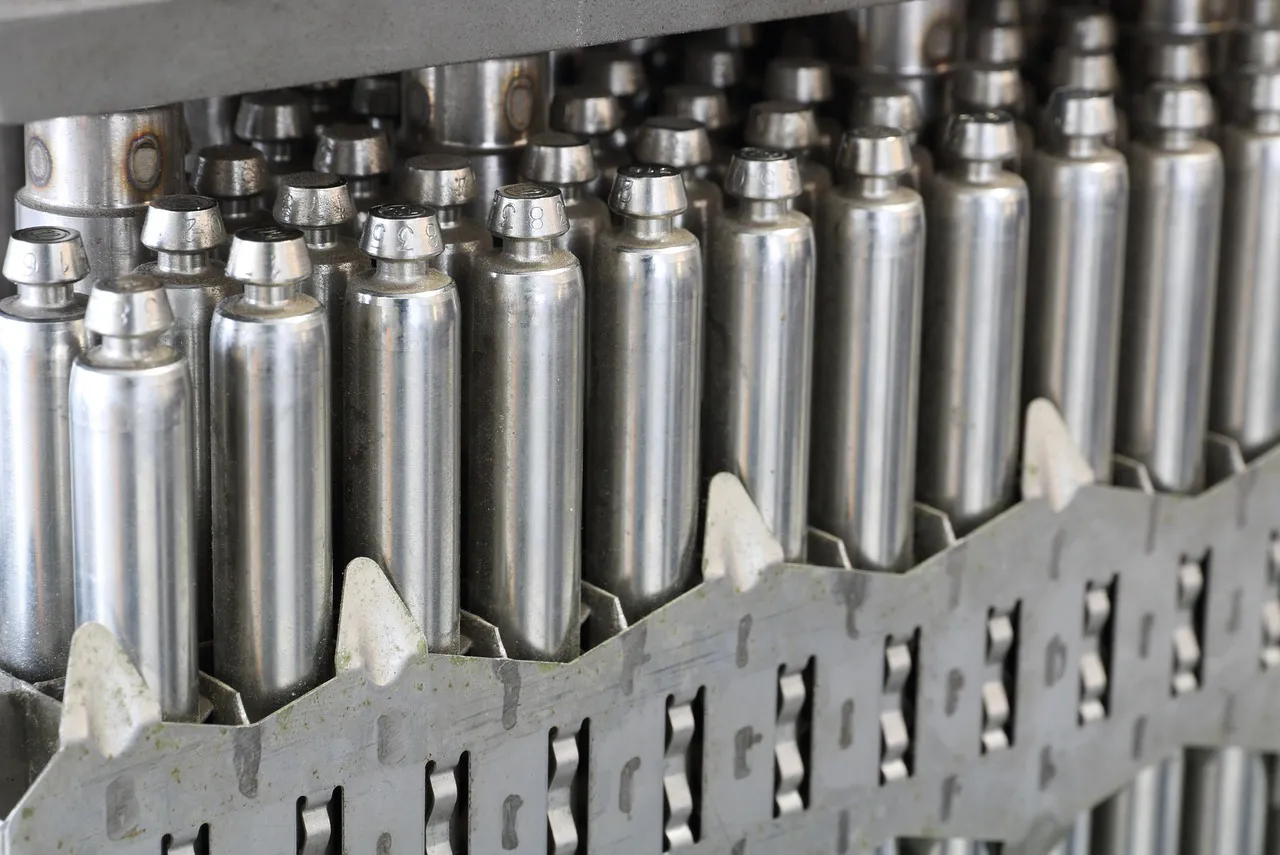
Westinghouse expands advanced nuclear fuel manufacturing with $1 billion plant
The Columbia project will scale up production of higher-enrichment fuel for commercial reactors, while separate eVinci trials will help refine microreactor simulations.
 health2 min read10/27/2026
Inconsistent blood pressure medication use linked to weaker cardiovascular protection
An analysis of 91,339 trial participants associated higher medication adherence with greater blood pressure reductions and fewer major cardiovascular events.
 ai2 min read10/27/2026
ANYmal-D solves giant Rubik’s Cube through coordinated foot movements
Researchers at ETH Zurich and NVIDIA demonstrated three autonomous cube solutions, combining onboard perception, movement planning and skills trained through reinforcement learning.