

Amoc, the Atlantic meridional overturning circulation, is a vast movement of water deep in the Atlantic. It carries warm water from the tropics towards Greenland, where it cools and sinks before returning south at depth. Recent studies suggest that this circulation is weakening. If it slows more, northern Europe could see much colder winters even as the planet warms. Tropical monsoons could shift, and sea levels could suddenly rise along the US east coast. Yet Amoc rarely stays in the news for long. One reason is that it is difficult to picture. Journalists often rely on maps, arrows, or other simple images, because the current itself is mostly hidden below the surface.
scienceIntermediate1 min read6/19/2026
Why this Atlantic current is hard to show
Amoc is a huge flow of water in the Atlantic that carries heat north. Studies suggest that it is weakening. If it slows further, the effects could include colder winters in northern Europe, changes in tropical monsoons, and sudden sea level rise on the US east coast.

More stories to read
 health2 min read10/27/2026
Mushroom linked to strange visions in two countries
Researchers have identified a mushroom that can cause visions of tiny human figures. They suspect an unknown chemical is responsible and hope to investigate its effects on the brain.
 ai2 min read10/27/2026
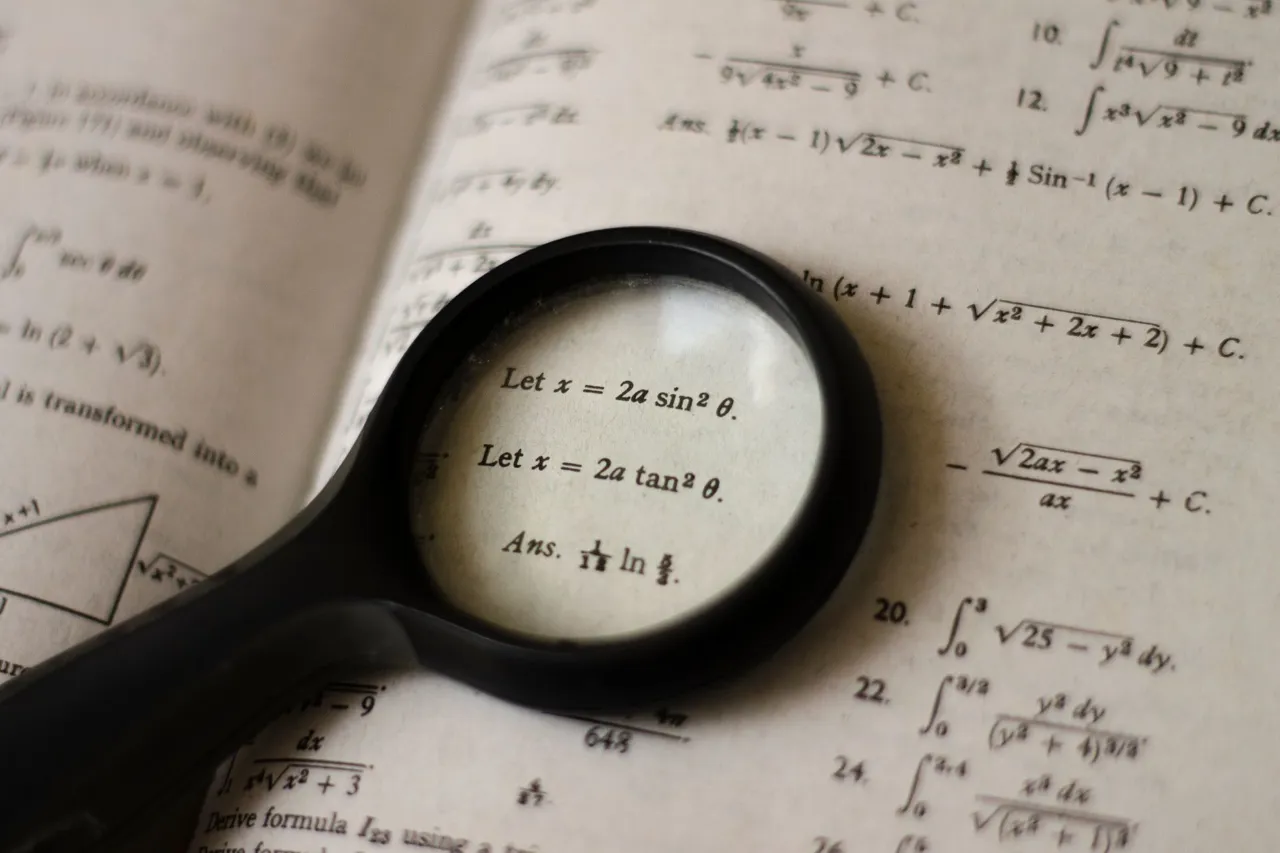
OpenAI presents three scientific results for independent review
AI-generated proofs could resolve major questions in maths, computing and physics, according to OpenAI. Independent researchers will examine and explain the claims.
 business2 min read10/27/2026
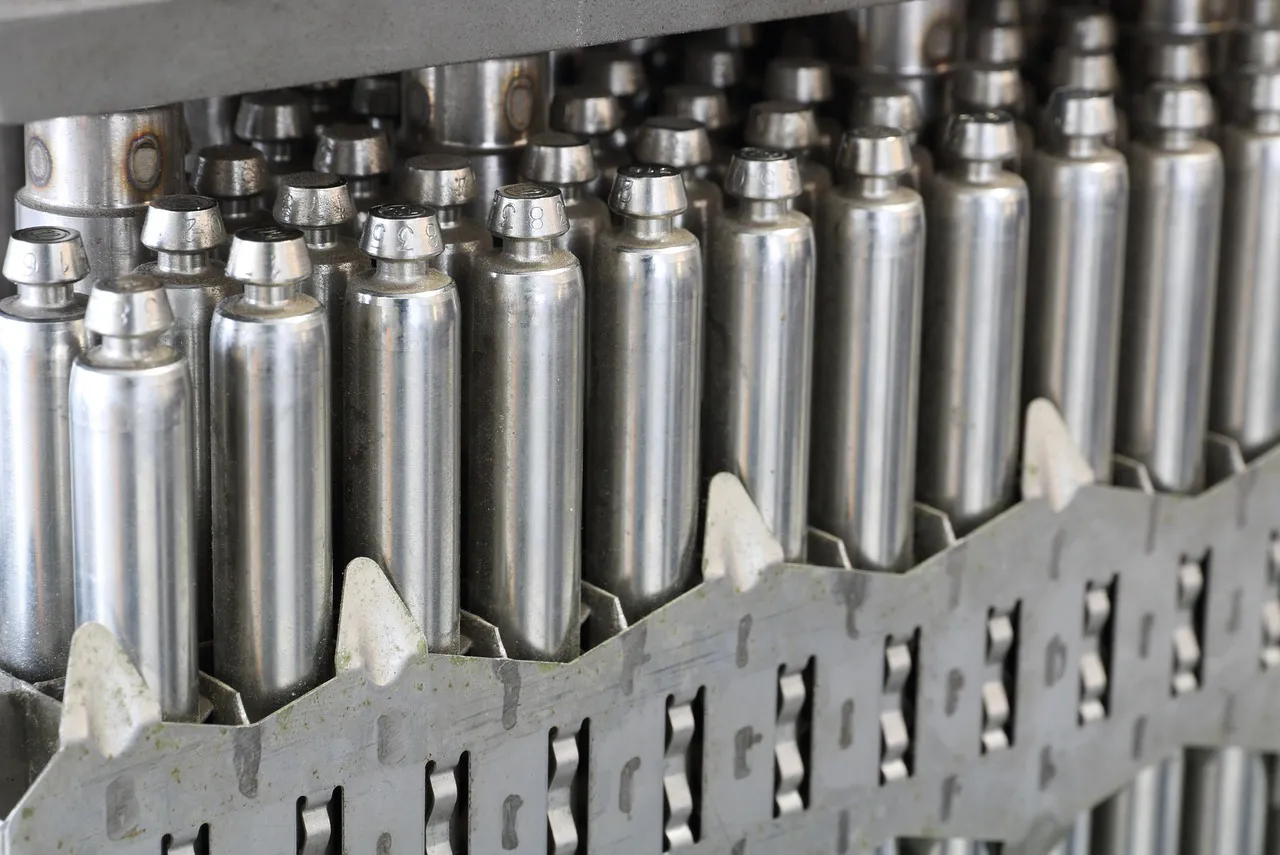
New Westinghouse factory aims to increase nuclear fuel production
A $1 billion factory in South Carolina will produce higher-energy fuel, helping existing nuclear reactors operate longer and generate more electricity.
 health2 min read10/27/2026
Regular blood pressure treatment offers greater protection
Researchers found stronger reductions in blood pressure and serious cardiovascular problems among patients who followed their treatment more closely.
 ai2 min read10/27/2026
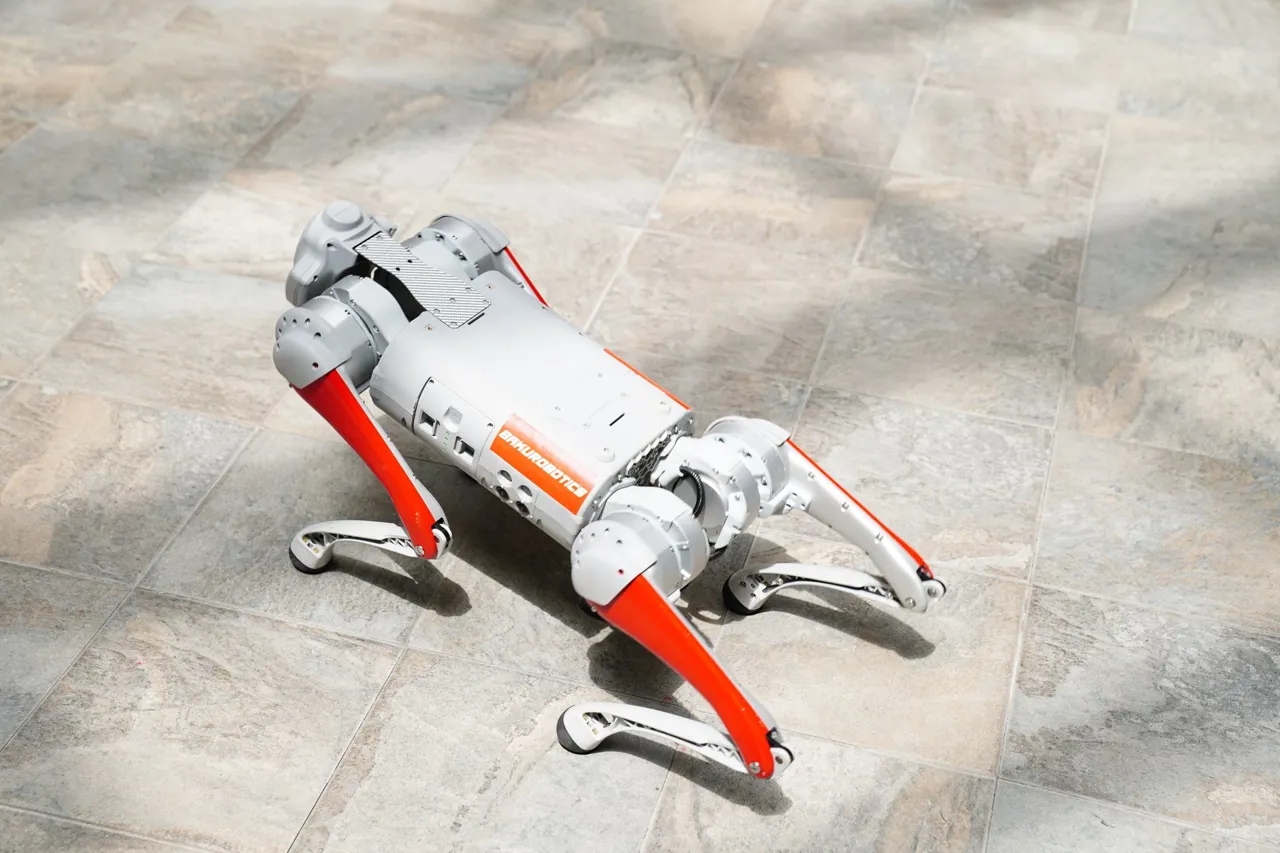
Four-legged robot uses its feet to solve giant puzzle
An ANYmal-D robot completed three independent solutions of a giant Rubik’s Cube, using camera information and skills learnt in a computer simulation.