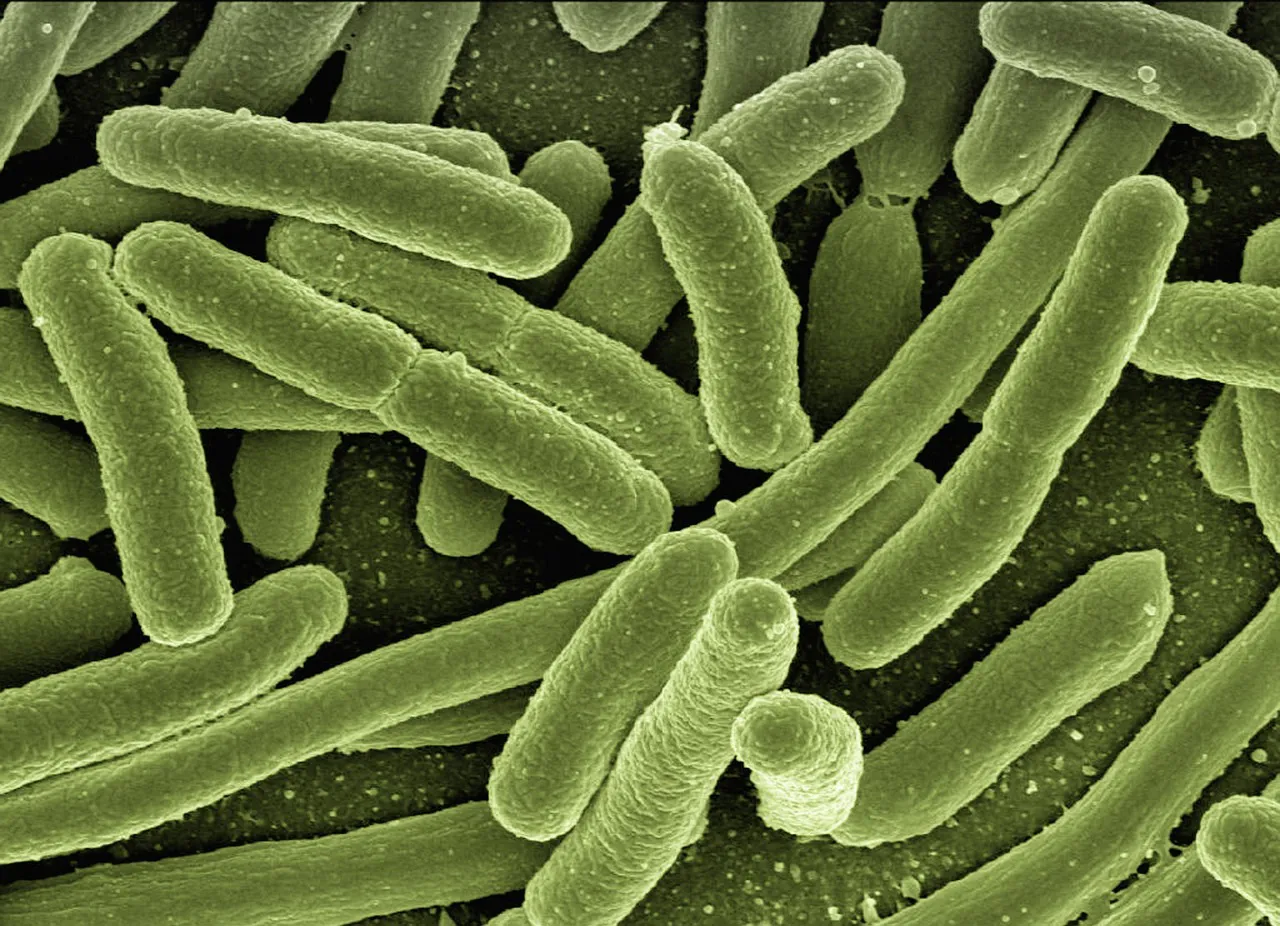
Researchers led by a Johns Hopkins team have discovered how a toxin from gut bacteria attaches to bowel cells. The bacterium, Bacteroides fragilis, is present in up to 20% of healthy people. Its presence does not mean someone will develop cancer, but some strains produce a toxin called BFT that can damage the bowel's protective lining and encourage tumour growth.
Using CRISPR, a technology for editing genes, the researchers switched off genes in cells from the bowel lining. They found that a protein called claudin-4 was essential for the toxin to attach. This protein normally helps form tight seals between neighbouring cells.
When the gene responsible for claudin-4 was switched off, BFT could no longer attach to the cells. It was also unable to attack E-cadherin, another protein that holds cells together. The discovery explains a step that had remained unclear since earlier research linked the toxin to bowel tumours.
The team then created a decoy protein containing parts of claudin-4. BFT attached to this decoy instead of bowel cells, protecting mice from toxin-related tissue damage. However, this does not establish that the approach prevents bowel cancer. Further research must test whether it can safely and effectively prevent toxin-related disease in humans.