A team led by Johns Hopkins researchers has identified the receptor that enables a bacterial toxin associated with bowel cancer to attach to intestinal cells. Published in Nature, the findings establish claudin-4 as the essential docking point for Bacteroides fragilis toxin, or BFT.
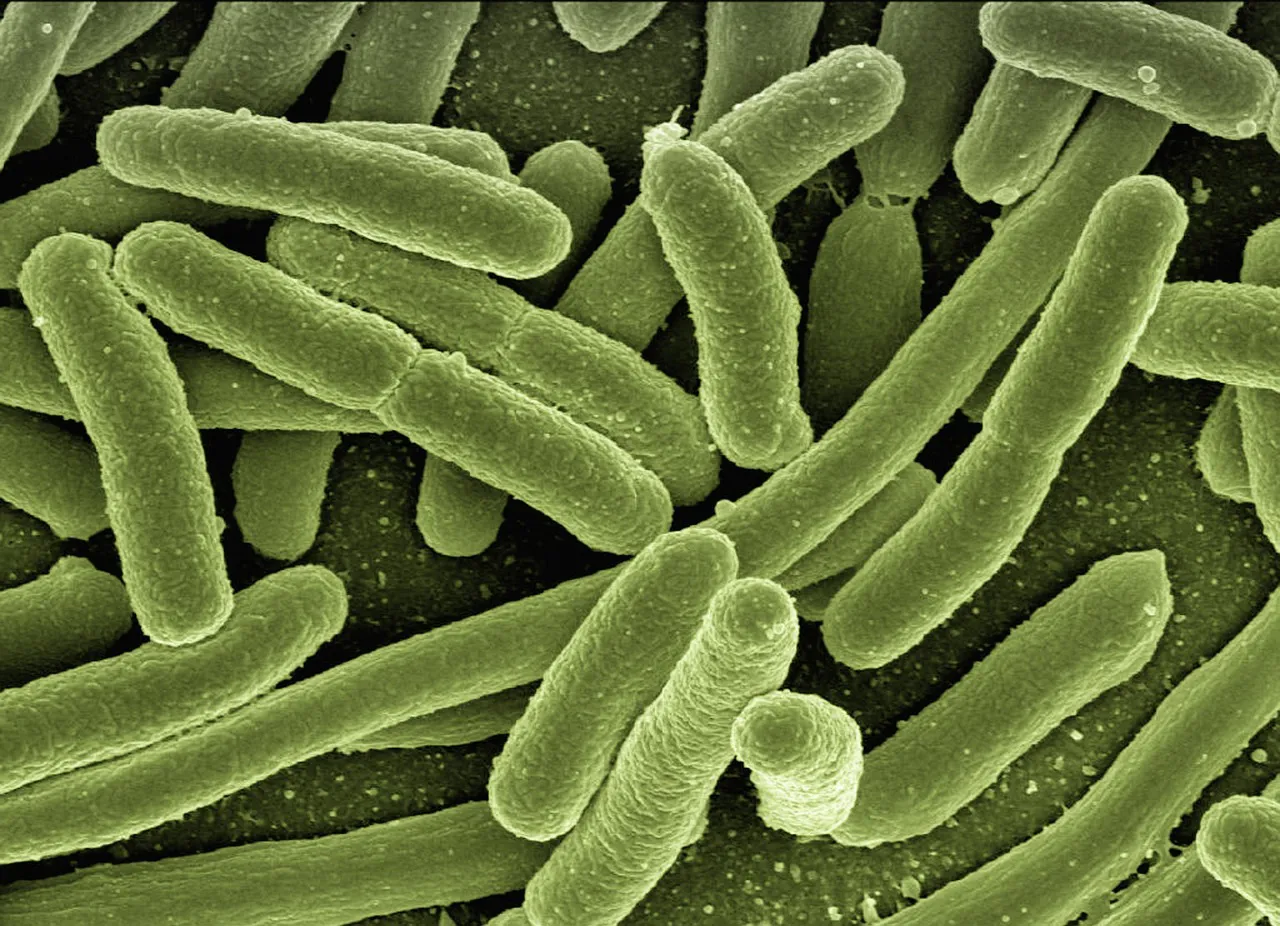
Bacteroides fragilis occurs in the intestines of up to 20% of healthy people, although carrying the bacterium does not mean someone will develop cancer. Certain strains produce BFT, which can disrupt the bowel's protective barrier, trigger inflammation and promote tumour growth. Research published in 2009 had already linked the toxin to bowel tumour development.
Using a genome-wide CRISPR screen, the researchers systematically disabled genes in intestinal lining cells. When the gene encoding claudin-4 was disabled, BFT could neither attach nor damage E-cadherin, a protein that maintains connections between neighbouring cells. Claudin-4 itself helps create tight seals between cells, making its role as the toxin's receptor unexpected.
BFT is a protease, an enzyme that cuts proteins. Unlike most proteases, which act directly on their targets, it appears to require a separate receptor before attacking E-cadherin. Laboratory experiments confirmed that BFT and claudin-4 bind tightly, with one toxin molecule pairing with one receptor molecule.
The researchers subsequently developed a soluble decoy protein containing sequences from claudin-4. By intercepting BFT before it reached bowel cells, the decoy protected mice from tissue damage. That protection does not establish cancer prevention, however, and further experiments are needed to determine whether the strategy can safely and effectively prevent toxin-related disease in humans.