Britain’s empire grew across the world. But much of its trade stayed close to home. Researchers studied ship records from the late 1500s to the middle of the 1700s. Ships carried goods between British ports and to other European countries. In 1696–1697, trade with Europe made up 80 per cent of the total value of Britain’s world trade.
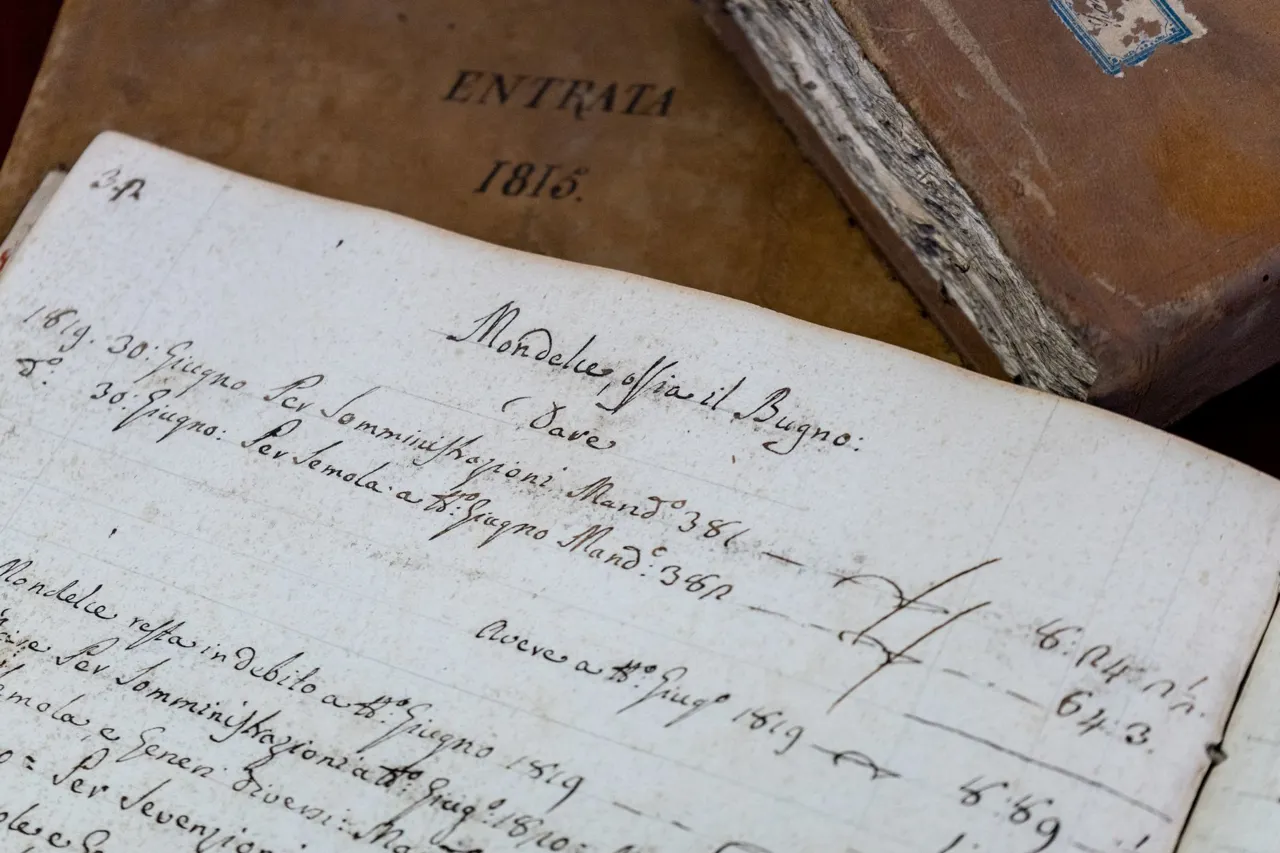
The team used artificial intelligence, or AI, to help computers read old writing. The handwritten records start in 1565. They contain details about ships, their journeys and their goods. The computer system learnt to read different writing styles and old spellings. People also checked its work. The team made a website with a map. Users can search by ship name, goods, starting port, end port or year.
The records show more than 3,000 ports around the world. Over 1,000 were in Britain. Coal appeared most often, with more than 101,000 records of ships carrying it. Ships also brought wood from the Baltic region. Britain needed large amounts of this wood to build ships. Trade between nearby ports carried important goods, even as Britain’s empire reached further away.