Although Britain’s empire reached across the world, research shows that much of its trade depended on shorter sea journeys. Historians examined records covering the late 16th to the mid-18th centuries, when trade within Britain and with Europe outweighed exchanges with distant colonies. In 1696–1697, European markets accounted for 80 per cent of the value of Britain’s global trade.
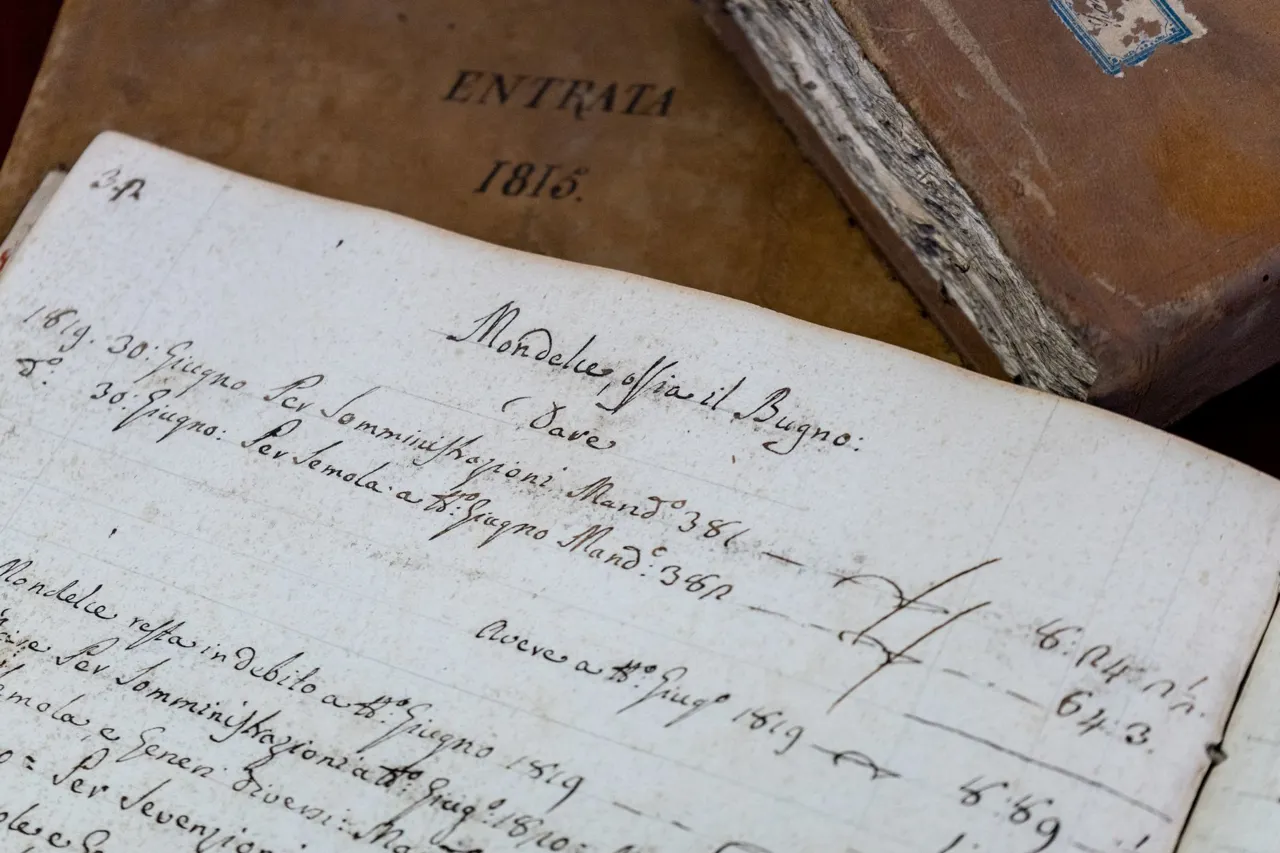
The researchers used artificial intelligence to process hundreds of thousands of handwritten pages from port records beginning in 1565. The software learnt to recognise different handwriting styles and changes in spelling, although people still checked its results. The information now forms a searchable online database linked to an interactive map. Users can explore journeys by ship name, goods, departure port, destination or year.
The records identify more than 3,000 ports worldwide, including over 1,000 in Britain. Coal was the most frequently recorded cargo, appearing in more than 101,000 entries. Trade with the Baltic region also supplied timber, or wood, which Britain needed in large quantities for shipbuilding. Together, these records show the importance of everyday goods and nearby shipping routes during the empire’s expansion.