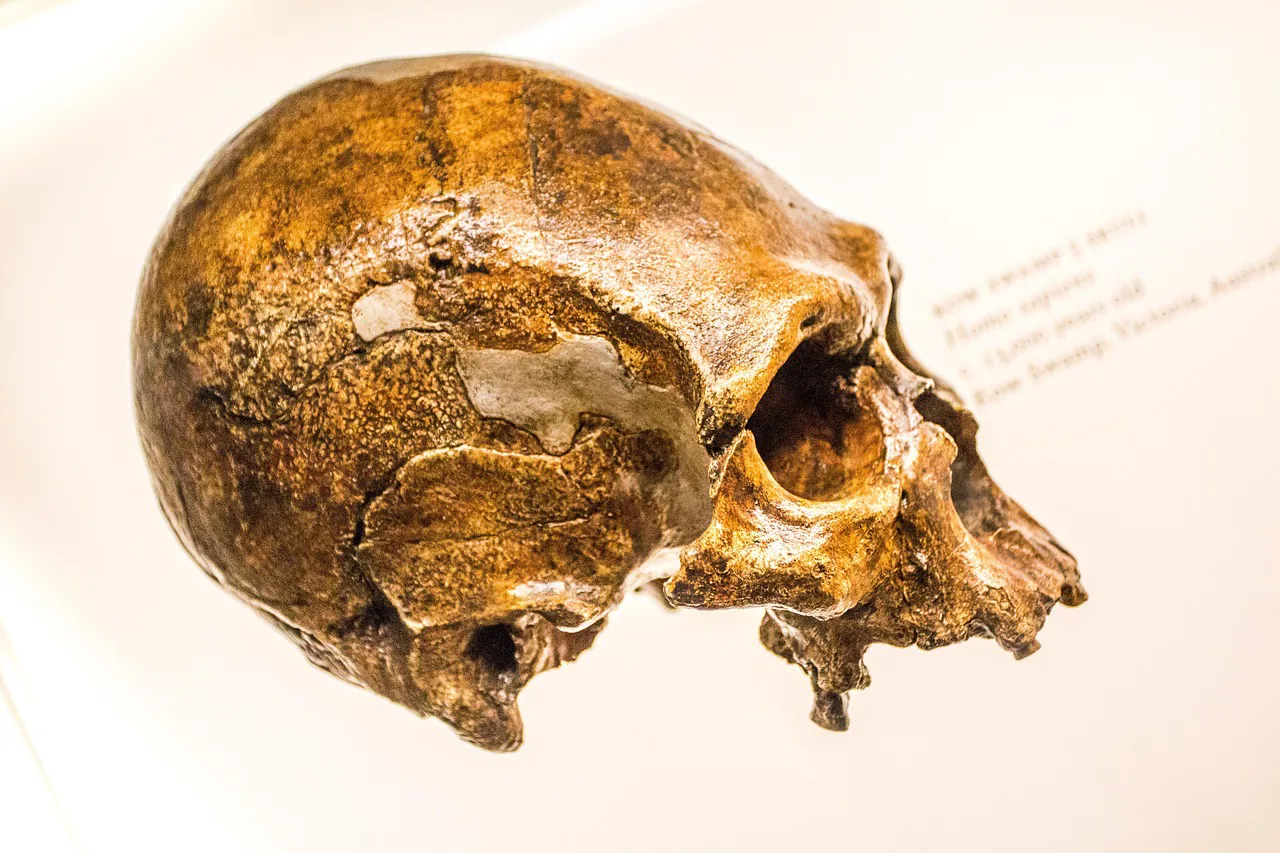
A Neanderthal buried in Shanidar Cave in Iraqi Kurdistan around 75,000 years ago probably died after a wooden spear penetrated their chest, according to research published on 15 October in Scientific Reports. Known as Shanidar A, the individual was approximately 45 when they died. Their remains, excavated in 2019 and 2022, also preserve evidence of an earlier facial injury that researchers believe required support from others.
The central evidence is a circular perforation measuring 1.5 centimetres across in the left shoulder blade. Microscopic examination and X-rays revealed no healing, indicating an injury around the time of death. Displaced bone fragments and small fractures supported a penetrating wound rather than damage caused by roots or insects. Comparisons with experimental weapon injuries favoured a wooden spear: stone-tipped weapons generally produce diamond-shaped openings, whereas wooden points tend to leave round holes. Researchers propose that the spear entered from the front and passed through the chest, potentially damaging major blood vessels. Whether this resulted from deliberate violence or a hunting accident remains uncertain.
A split front tooth provides a contrasting perspective. Continued use and tartar accumulation suggest that Shanidar A survived a serious facial injury for at least a year. Emma Pomeroy of the University of Cambridge argues that the resulting pain and difficulties with eating and communication would have required care. The apparent placement of the body within a cluster of burials also suggests care after death, while repeated burial in a restricted area indicates that the location held particular significance for Neanderthals.