

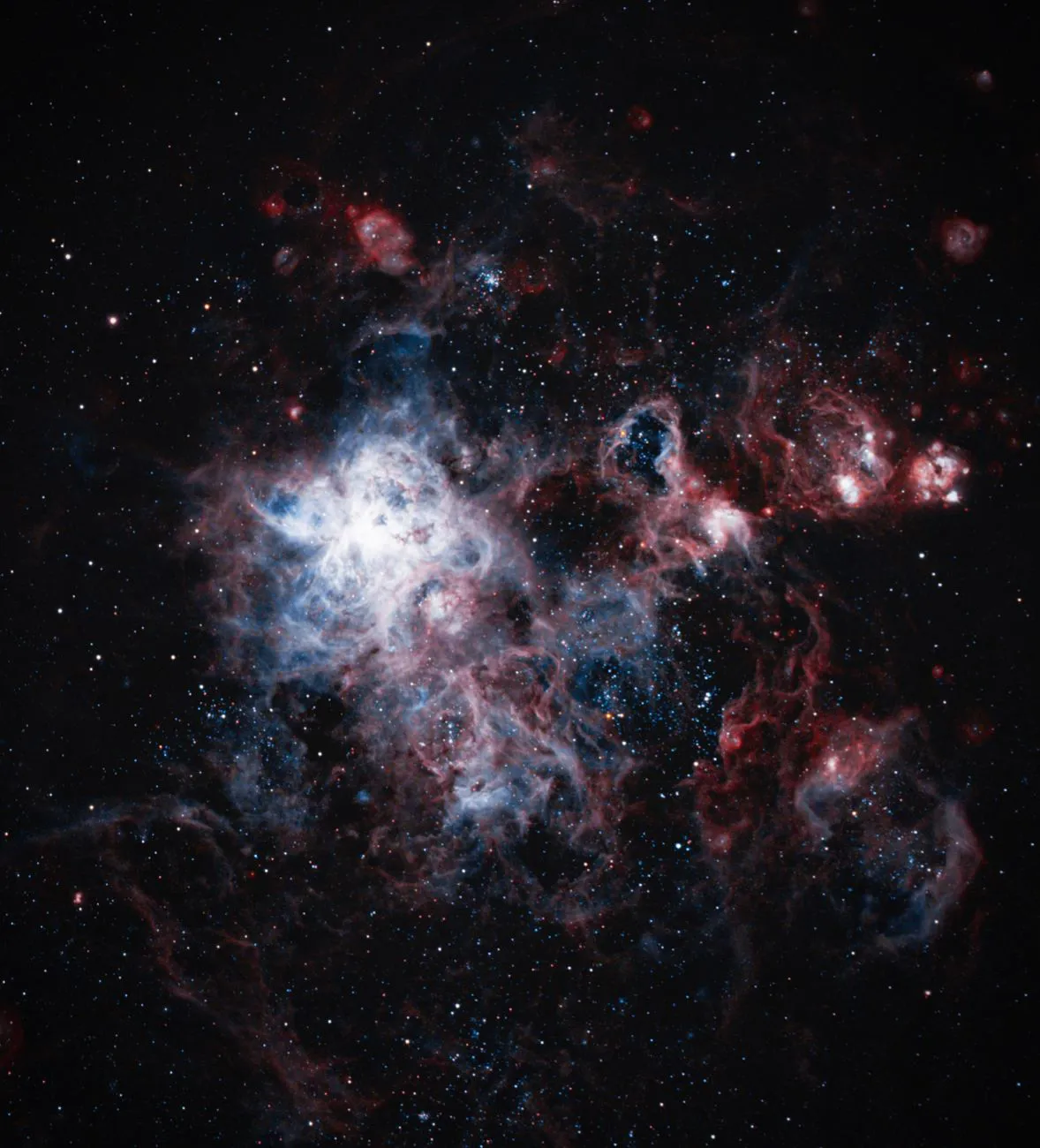
Astronomers have reconstructed the ‘skeleton’ of the cosmos in unprecedented detail through the largest survey ever carried out by the James Webb Space Telescope. The resulting map tracks how galaxies have evolved since the universe’s infancy, roughly 13 billion years ago, and how they gather within the cosmic web. That web is described as the largest known structure in existence: a vast framework of gas filaments, stars, voids and sheets of dark matter that shapes the large-scale organisation of the universe. It contains countless galaxy clusters, as well as clusters of clusters, and acts as the scaffolding on which the cosmos is built. The new work offers a clearer view of those hidden corners of the universe that lie within that immense structure.
James Webb survey reveals the universe’s cosmic web
Using the James Webb Space Telescope, astronomers have reconstructed the universe in unprecedented detail. The map traces galaxy evolution back to the universe’s infancy and shows how the cosmic web holds the cosmos together.
More stories to read
 health2 min read10/27/2026
Unknown mushroom compound may explain visions of miniature humans
Genetic analysis has linked reports of miniature human hallucinations in China and the Philippines to one mushroom species. Researchers now aim to isolate the suspected compound, which could offer insights into visual perception.
 ai2 min read10/27/2026
OpenAI’s claimed breakthroughs face independent scientific scrutiny
OpenAI has announced AI-generated proofs spanning mathematics, computational complexity and quantum physics, while adopting different publication and review arrangements for each project.
 business2 min read10/27/2026
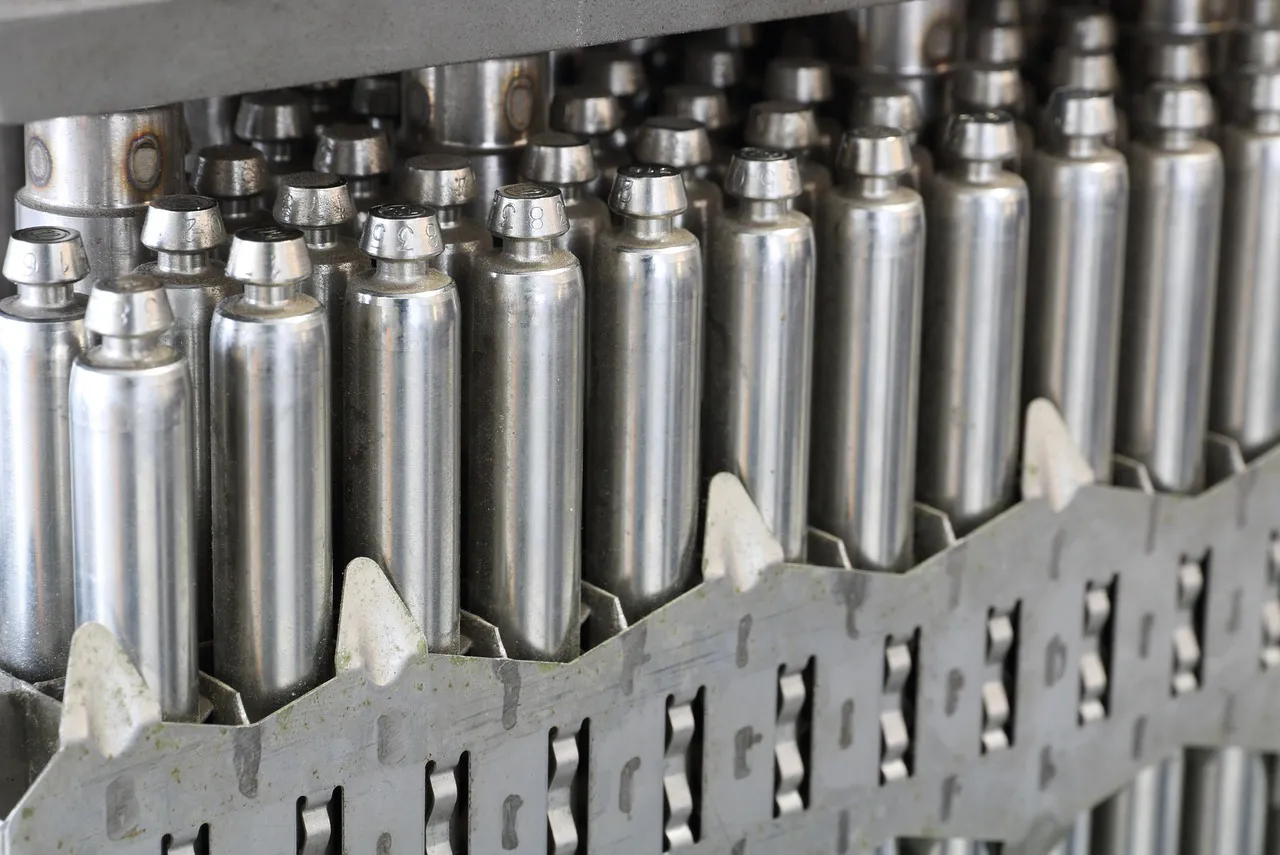
Westinghouse expands advanced nuclear fuel manufacturing with $1 billion plant
The Columbia project will scale up production of higher-enrichment fuel for commercial reactors, while separate eVinci trials will help refine microreactor simulations.
 health2 min read10/27/2026
Inconsistent blood pressure medication use linked to weaker cardiovascular protection
An analysis of 91,339 trial participants associated higher medication adherence with greater blood pressure reductions and fewer major cardiovascular events.
 ai2 min read10/27/2026
ANYmal-D solves giant Rubik’s Cube through coordinated foot movements
Researchers at ETH Zurich and NVIDIA demonstrated three autonomous cube solutions, combining onboard perception, movement planning and skills trained through reinforcement learning.