An experimental gene therapy increased light sensitivity in seven of ten volunteers with severe retinitis pigmentosa, an inherited condition that destroys retinal photoreceptors and can cause irreversible blindness. Published in The New England Journal of Medicine, the findings came from an early-stage trial led by José-Alain Sahel of the University of Pittsburgh and Botond Roska of the Institute of Molecular and Clinical Ophthalmology Basel.
Rather than rebuilding lost photoreceptors, the team targeted retinal ganglion cells, which transmit visual information to the brain and can survive even in advanced disease. Each participant received a single injection into the poorer-seeing eye. A viral vector delivered the gene for ChrimsonR, a light-sensitive protein, enabling the targeted cells to respond to light.
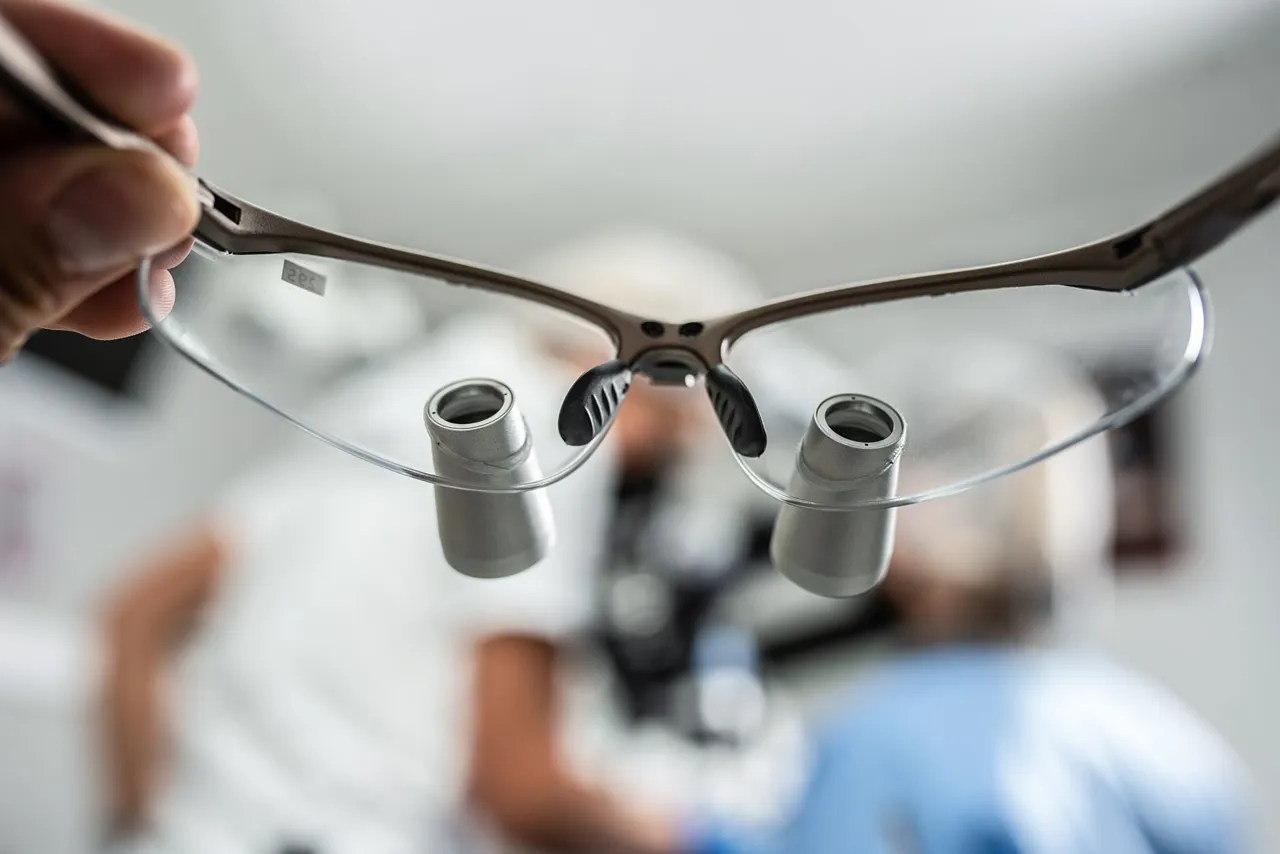
This approach, known as optogenetics, works alongside glasses fitted with a camera and projector. The glasses process images of the surroundings and project light signals onto the retina, activating the modified cells. Six participants achieved at least a fourfold increase in sensitivity, the researchers' threshold for a clinically meaningful improvement. Nevertheless, the treatment did not restore normal vision.
The open-label phase one–two trial primarily evaluated safety rather than establishing efficacy. Researchers recorded 34 adverse eye events in nine participants: 23 mild, ten moderate and one severe. One participant experienced a temporary central retinal artery blockage after injection; blood flow resumed within minutes following medication to lower intraocular pressure.
Although patients could access some previously unavailable visual information, the authors emphasised the need for larger safety and efficacy studies. In earlier work published by the same team in 2021, one patient had been able to recognise, locate, count and touch objects.