An early test of a new eye treatment involved ten people. All had severe retinitis pigmentosa. This eye disease passes from parents to children and destroys cells that sense light. It can cause lasting blindness. Seven people could sense light better after treatment.
The treatment gives eye cells new instructions. These instructions help the cells make a protein called ChrimsonR. The protein makes them react to light. The team worked with living nerve cells in the eye, not the dead cells. These nerve cells send information to the brain.
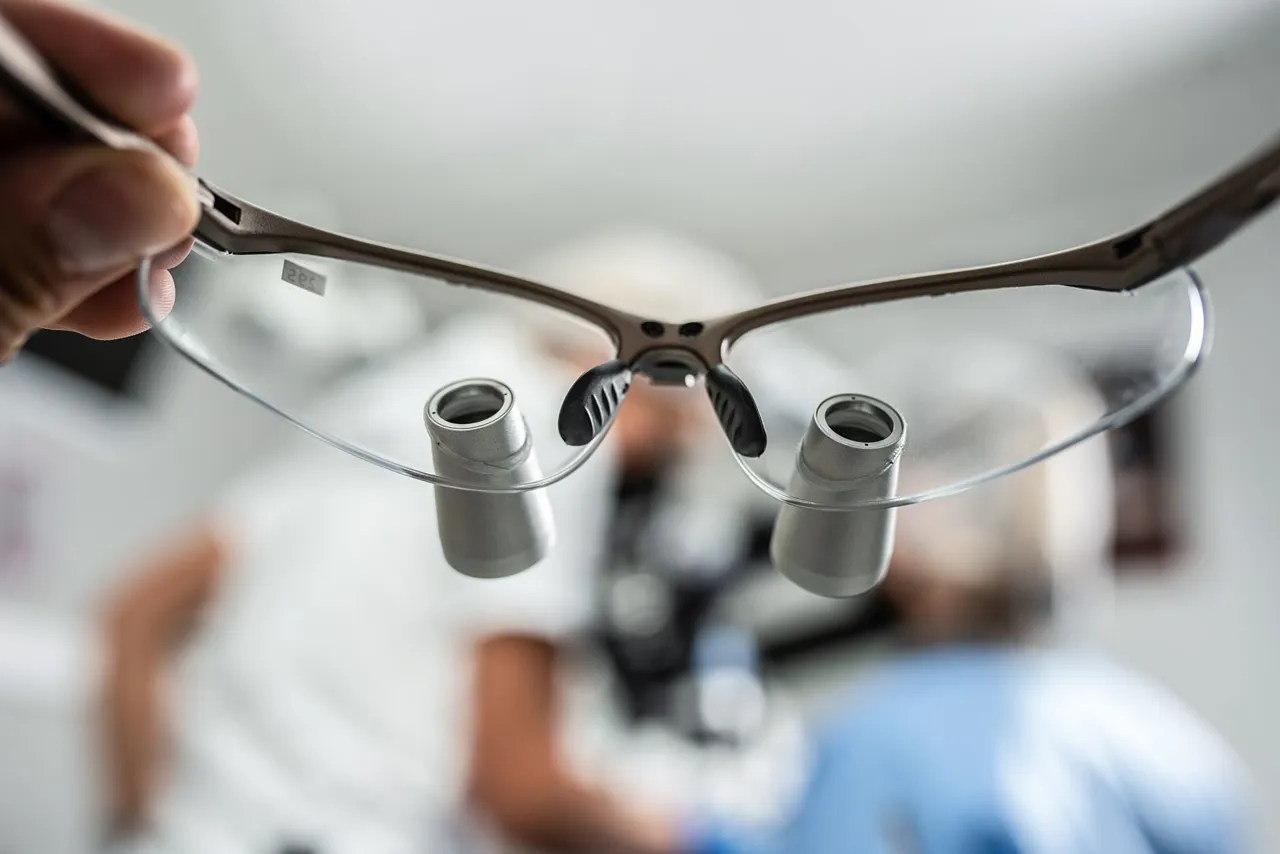
Patients also wear special glasses with a camera. The glasses turn images into light signals and send them into the eye. Six people became at least four times more sensitive to light. The researchers saw this as an important change. However, the treatment did not bring back normal sight.
The test mainly checked safety. Nine people had a total of 34 eye problems during the test. One problem was serious. In one patient, blood briefly stopped flowing through an important eye blood vessel. Medicine helped the blood flow again within minutes. The results appeared in The New England Journal of Medicine. Researchers need larger tests to check safety and how well the treatment works.